
HVAC Installation in Modesto, CA
A new system here will heat from November through April and cool from May through September every year. Tell us about the house, and a licensed contractor who covers Stanislaus County will get in touch.
Tell us about the job
It takes about a minute.
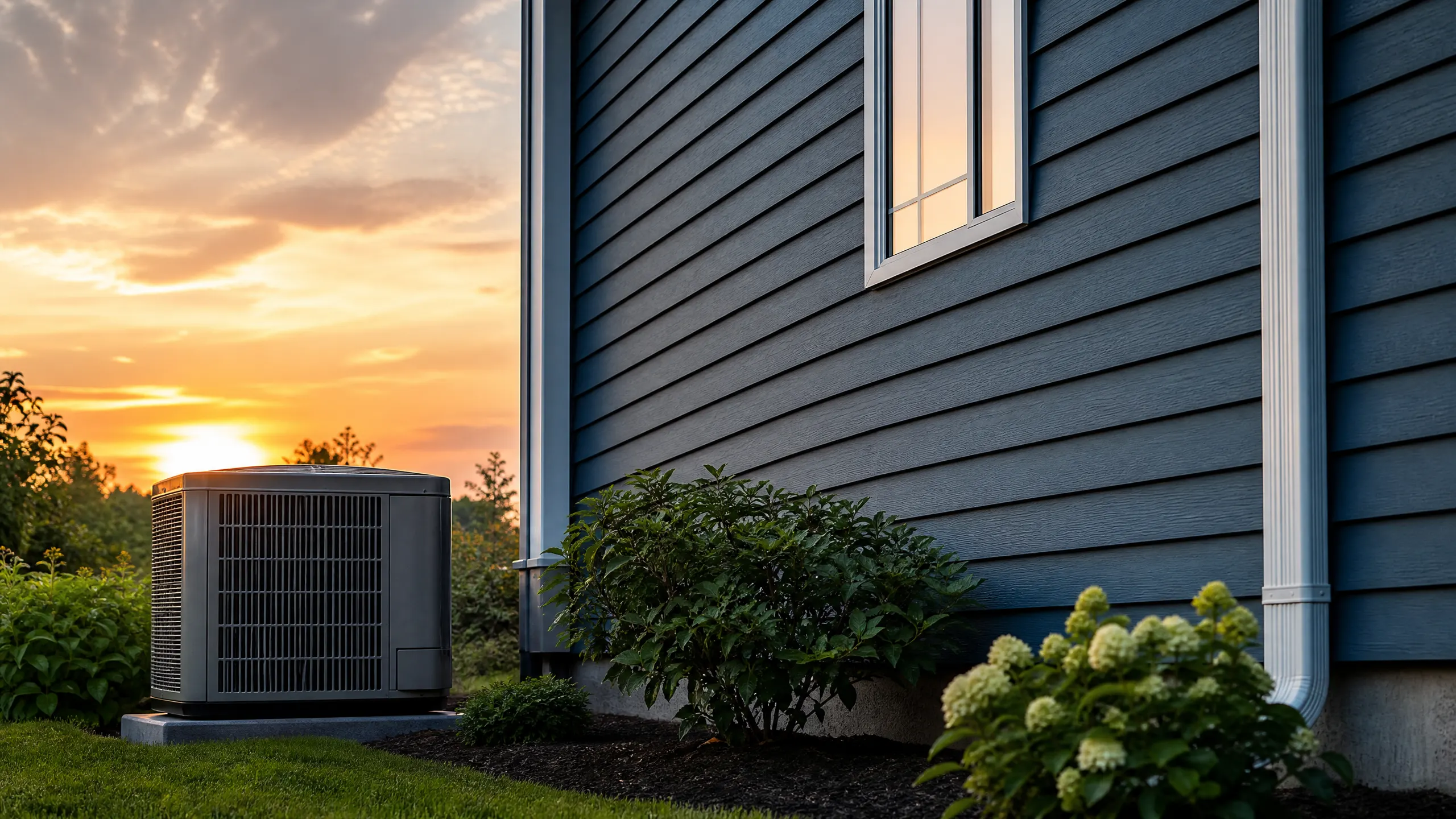
Modesto asks for heat and cooling almost year round
Eleven months out of the year, a system in Modesto is doing one job or the other. Winter nights average 39°F from December through February, mild compared to a lot of the country, but the furnace still needs to hold that line for six months, November through April. Then summer afternoons average 91°F, and the same system has to switch to keeping the house cool from May through September.
Most homes here heat with gas, so a new install usually means matching a furnace to an air conditioner that will run hard for five months straight. Storms are not the main concern in Stanislaus County, but the region has logged 18 damaging wind events over the past ten years, and outages do happen. Worth asking how the system you choose handles a power interruption, since not every furnace or AC comes back on the same way.
- 6 months
- November through April, your system heats
- 5 months
- May through September, it cools
- 39°F
- the average winter night it heats against
- 91°F
- the average summer afternoon it cools against
NOAA nClimDiv, 1991–2020 normals
California requires HVAC contractors to hold a state license.
The license is held by the contractor, not tied to this one job, so the same license that qualifies them to install a heating and cooling system in the next county over is what qualifies them here. The state tested them and keeps a record of who they are before they ever set foot in your home.
For this installation, that license is what stands behind the work itself, but Stanislaus County still has its own say in it. Most cities and counties require a permit from the local building office before a furnace, air conditioner or heat pump goes in, and an inspection once it's done. That inspection is separate from the license. It's the building office checking the work in your home, not the state checking the contractor.
Sources: California Legislative Counsel · Contractors State License Board
- When should I replace my HVAC system?
- Replace it when repairs stop making sense or the system can't keep up anymore. An old furnace or air conditioner that needs a major repair is usually a better candidate for replacement than another fix, especially once breakdowns start happening more often. Rising energy bills with no other explanation, rooms that won't reach temperature, or a system running constantly are all signs it's wearing out. Homes here need heat or cooling 11 months of the year, so a system on its way out doesn't get much rest to hide the problem.
- Should I replace my furnace and air conditioner at the same time?
- If they're the same age, it's often worth doing both together. A furnace and air conditioner installed at the same time tend to wear out around the same time, so if one is failing, the other isn't usually far behind. They also share the same ductwork and, in many systems, a coil that has to match the rest of the equipment to work right. A contractor can look at both and tell you whether pairing the work makes sense for your system or whether the second one has real life left in it.
- What happens during an HVAC installation?
- A contractor starts by sizing the new equipment to your home, since a furnace or air conditioner that's too big or too small won't heat or cool evenly. The old equipment gets disconnected and removed, then the new unit is set in place and connected to your ductwork, gas or electrical lines, and thermostat. Once it's running, the contractor checks refrigerant levels, airflow, and gas pressure or electrical draw to make sure everything is working the way it should before they leave. The exact steps depend on whether it's a furnace, an air conditioner, or both, and a contractor can walk you through what your specific installation will involve.