
AC Maintenance in Sacramento, CA
Air conditioners here run from May through September, so April is the time for a tune-up. Tell us about your system, and a licensed contractor who covers Sacramento County will get in touch.
Tell us about the job
It takes about a minute.
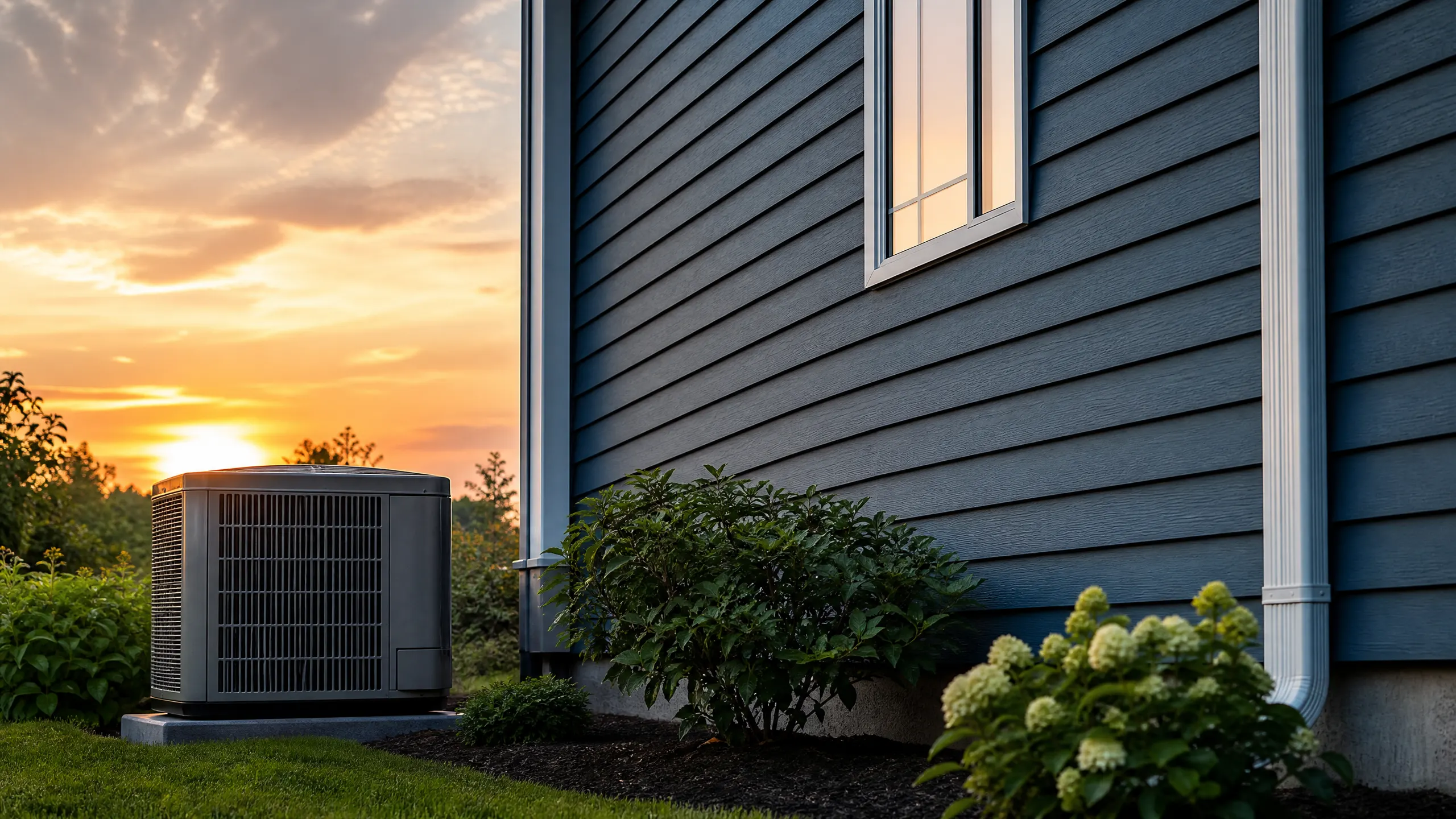
Five months of heavy use, every year
Your air conditioner runs from May through September here, with summer afternoons averaging 92 degrees. That is five straight months of the compressor cycling for hours most afternoons.
A tune-up before that stretch checks the parts carrying that load. The refrigerant charge. The condenser coil. The capacitor that starts the compressor. A weak capacitor or a dirty coil can still cool your house on a mild day. It is the long, hot afternoons that show whether those parts are still up to the work.
- 5 months
- May through September, your air conditioner is on duty
- 92°F
- the average summer afternoon it cools against
- 2 hail events
- in ten years, and hail bends the fins on outdoor coils
- 54 wind events
- in ten years, and wind drives debris into outdoor units
NOAA nClimDiv, 1991–2020 normals

Book your AC tune-up in April, before homes here start needing cooling in May.
- Jan
- Feb
- Mar
- Apr
- May
- Jun
- Jul
- Aug
- Sep
- Oct
- Nov
- Dec
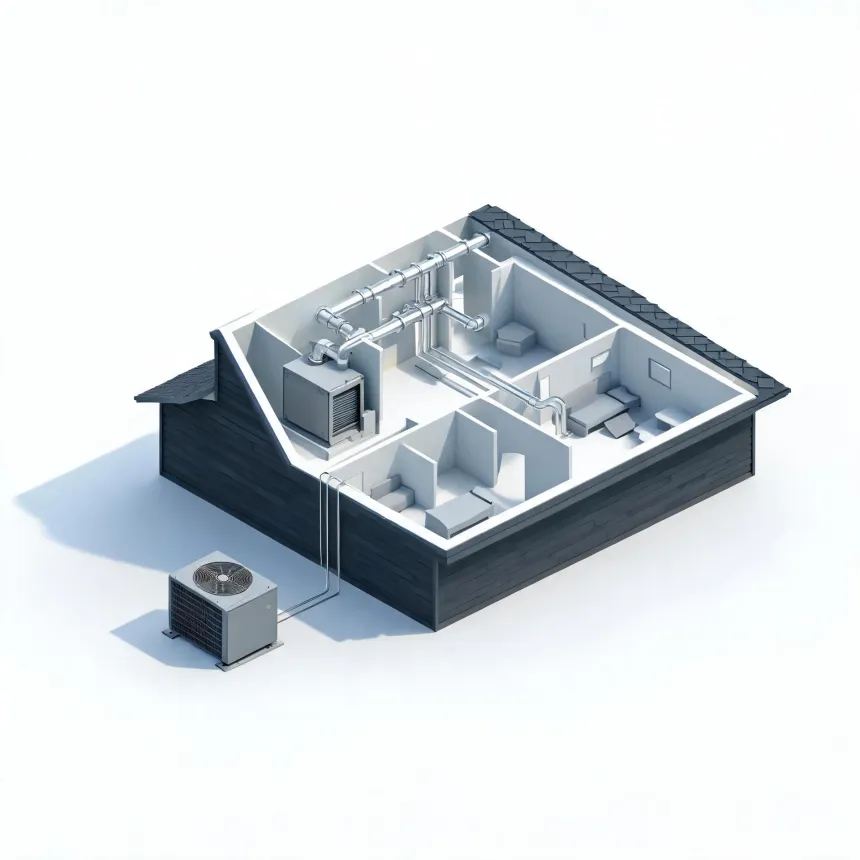
A tune-up checks the refrigerant charge, cleans the coils, tests the capacitor and tightens the electrical connections.
California requires HVAC contractors to hold a state license.
The Contractors State License Board tests contractors before they get that license and keeps a record of who holds one. It covers the contractor as a business, not each job that contractor does, so the same license applies whether they are maintaining your air conditioner or installing a new one.
For a maintenance visit, that CSLB license is what stands behind the work. If the job involves opening the refrigerant side of your air conditioner, such as checking or adjusting the charge, the technician doing that also needs EPA Section 608 certification, which applies to refrigerant work anywhere in the country. California layers that federal requirement on top of its own state license rather than replacing it.
Sources: California Legislative Counsel · Contractors State License Board
- What does AC maintenance include?
- A technician checks refrigerant charge, cleans the condenser coil outside and the evaporator coil if it is reachable, and checks the capacitor and contactor in the outdoor unit. They test the thermostat, check airflow across the coil, and look at the condensate drain to make sure it isn't clogged. Outside, they clear leaves and debris away from the condenser so it can breathe. Inside, they check or replace the filter, since a dirty filter restricts airflow and makes the whole system work harder.
- How often does an air conditioner need maintenance?
- Once a year, ideally before the weather turns warm. Sacramento homes run their AC from May through September, so having it checked in spring means it's ready before the 92°F afternoons hit. A yearly check catches a weak capacitor or a low refrigerant charge before it causes a breakdown in the middle of summer.
- Is AC maintenance worth it?
- Yes, especially here where the system has to run hard for five months straight. A dirty coil or a failing capacitor makes the compressor work harder, and that's what leads to a breakdown on the hottest day of the year, not the mildest. Regular maintenance also means small issues get caught while they're still small. A licensed contractor, which California requires for anyone working on HVAC systems, can check the parts that wear out and price any repair the specific system needs.