
Furnace Installation in Visalia, CA
A new furnace here will run from October through May every year. Tell us about the house, and a licensed contractor who covers Tulare County will get in touch.
Tell us about the job
It takes about a minute.
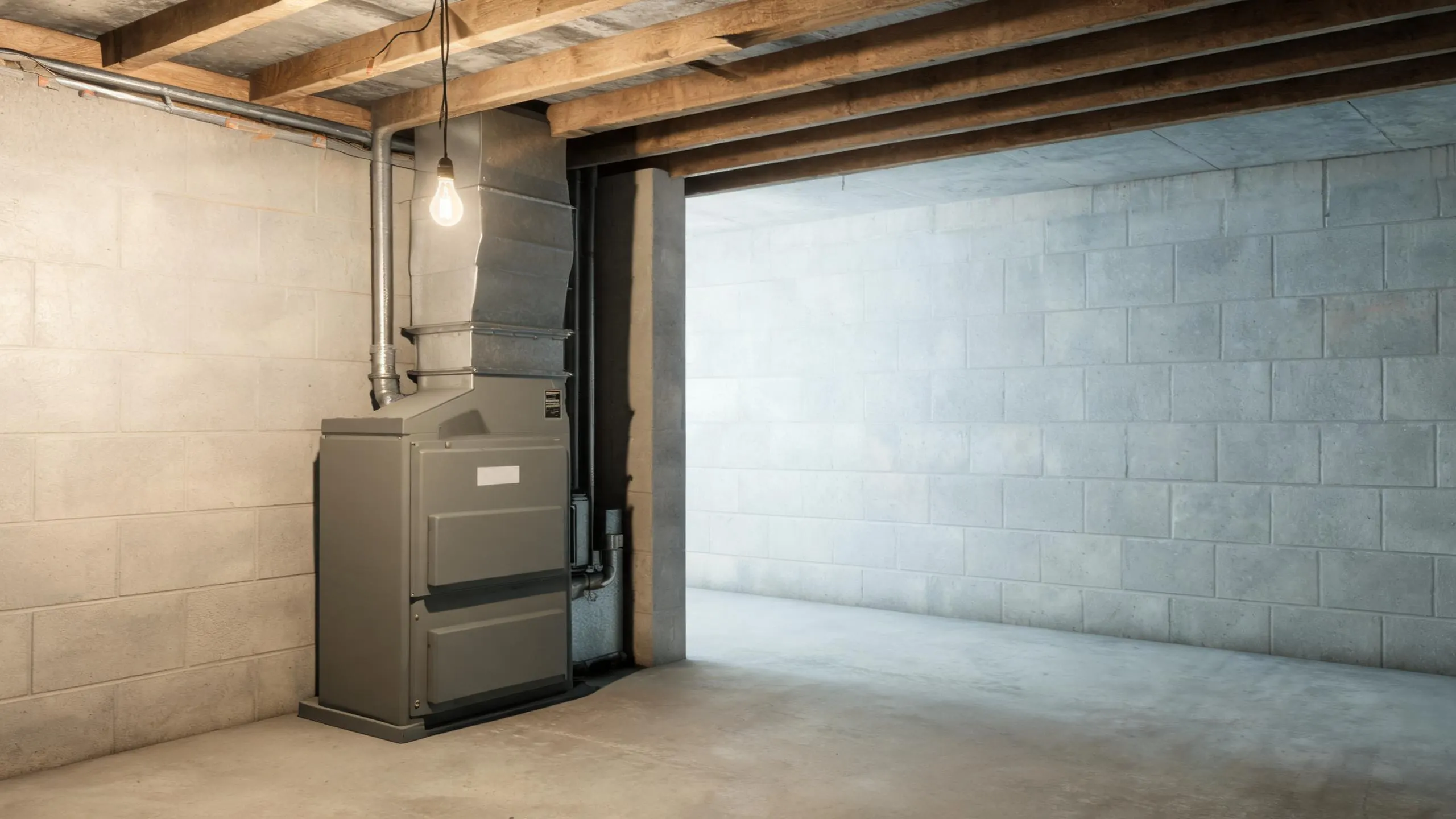
Eight months of heat in Visalia
Furnaces here run October through May. That's 8 months of the year, with winter nights averaging 31°F. A new furnace installed in Tulare County has a long season ahead of it, not just a few cold snaps.
Most homes in the area heat with gas, and any non-weatherized gas furnace built new has to reach 80.0 percent AFUE, the federal minimum. Power outages happen here too. Across California, 17% of households lost power for 24 hours or more in 2024, and Tulare County has logged 149 winter storms and 191 damaging wind events over the past ten years. Worth asking your contractor how the furnace you install responds when the power drops and comes back.
- 8 months
- October through May, your furnace is on duty
- 31°F
- the average winter night it heats against
- 68%
- of homes here heat with gas, so most furnaces here burn gas
- 80% AFUE
- the federal minimum any new unit must meet
NOAA nClimDiv, 1991–2020 normals

A high-efficiency gas furnace would save about $90 a year to run in Tulare County compared with a gas furnace.
Estimates for a typical Tulare County home, from EIA household energy data, California fuel prices and NOAA climate normals. Your home will differ.
California requires HVAC contractors to hold a state license.
The license is held by the contractor as a business, through the Contractors State License Board, not issued fresh for each furnace they install. That means the state has tested this contractor and keeps a record of them, so the license you check belongs to the company doing the work, not to the job itself.
The license does not cover what happens once the furnace is in. In most cities and counties, a furnace replacement needs a permit from the local building office and an inspection when the work is done. That is where the installation gets checked, separate from what the license already tells you about the contractor. In Tulare County, 67.5% of homes heat with gas, so that inspection applies to most furnaces going in here.
Sources: California Legislative Counsel · Contractors State License Board
- What size furnace does my house need?
- There is no single size that fits every house, and going by square footage alone gets it wrong often enough to matter. A contractor works this out with a load calculation, which weighs your square footage against your insulation, your windows, your ceiling height, and how much cold air leaks in. Too big and the furnace short cycles, heating fast then shutting off before it warms the house evenly. Too small and it runs constantly through the cold months here and still falls behind. Have a contractor run the calculation rather than matching the old unit's size, since that one may have been wrong too.
- How do I know it's time to replace my furnace?
- Age is one of the first things to check, along with how the furnace has been running. Watch for rooms that heat unevenly, a furnace that cycles on and off more than it used to, or a gas bill climbing while the house feels the same. If a repair is priced near what a new furnace would cost, or the furnace has needed more than one repair in a year, replacement is usually the better call. With heat needed here from October through May, a furnace that fails mid-winter leaves you without options fast, so it is worth addressing signs of trouble before that happens.
- Is a high-efficiency furnace worth it?
- It depends on how long you plan to stay in the house and how much you run the furnace. Every new non-weatherized gas furnace sold since November 2015 has to reach at least 80 percent AFUE, so even a standard-efficiency unit today wastes less fuel than older models did. High-efficiency furnaces go further, cutting the heat lost out the flue beyond that minimum. With heat needed here eight months a year, from October through May, a more efficient furnace has more months to earn back the difference in upfront cost. A contractor can walk through the numbers for your specific house and usage.