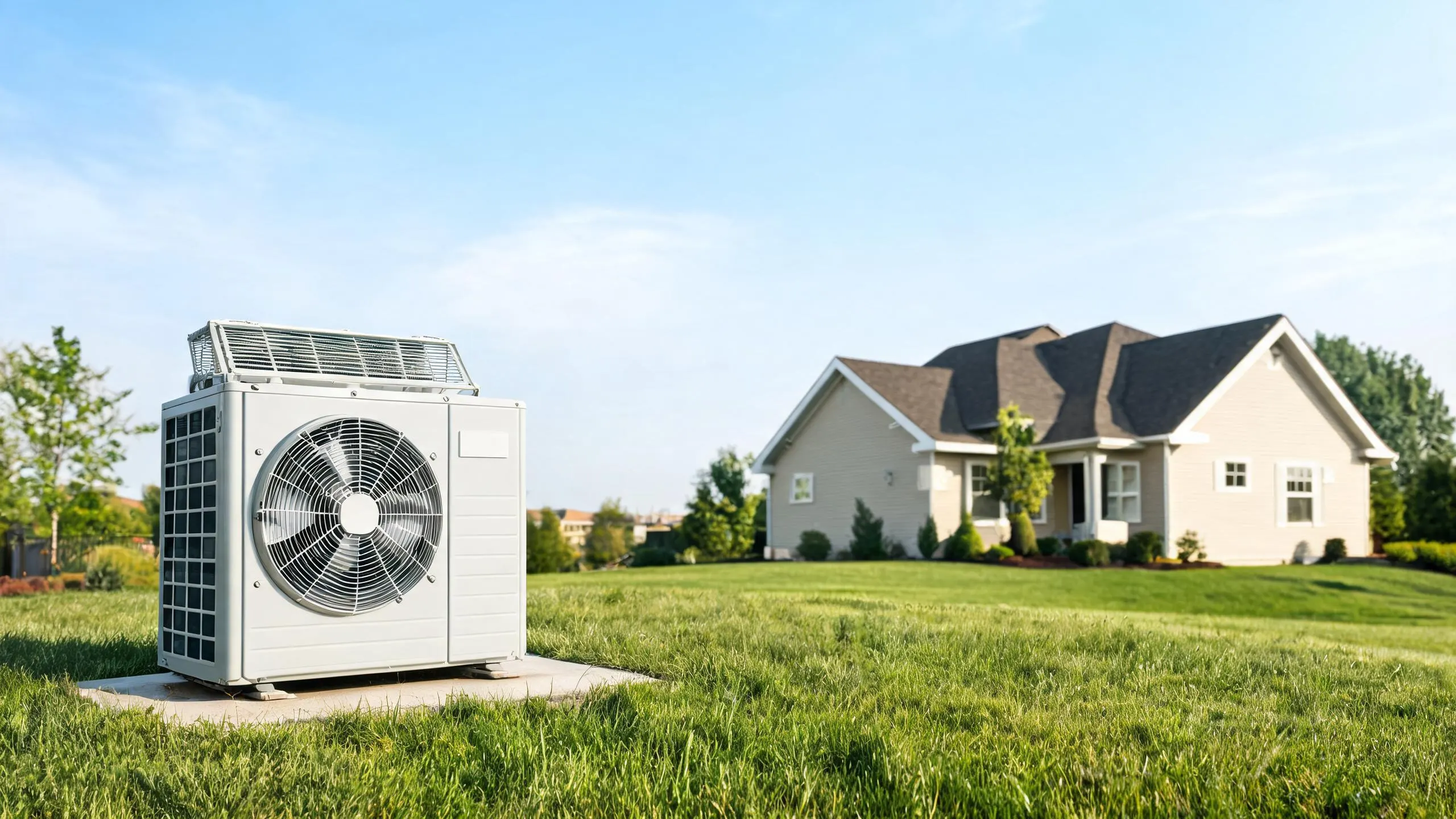
Heat Pump Installation in Oxnard, CA
A new system here will heat from November through May and cool from July through September every year. Tell us about the house, and a licensed contractor who covers Ventura County will get in touch.
Tell us about the job
It takes about a minute.
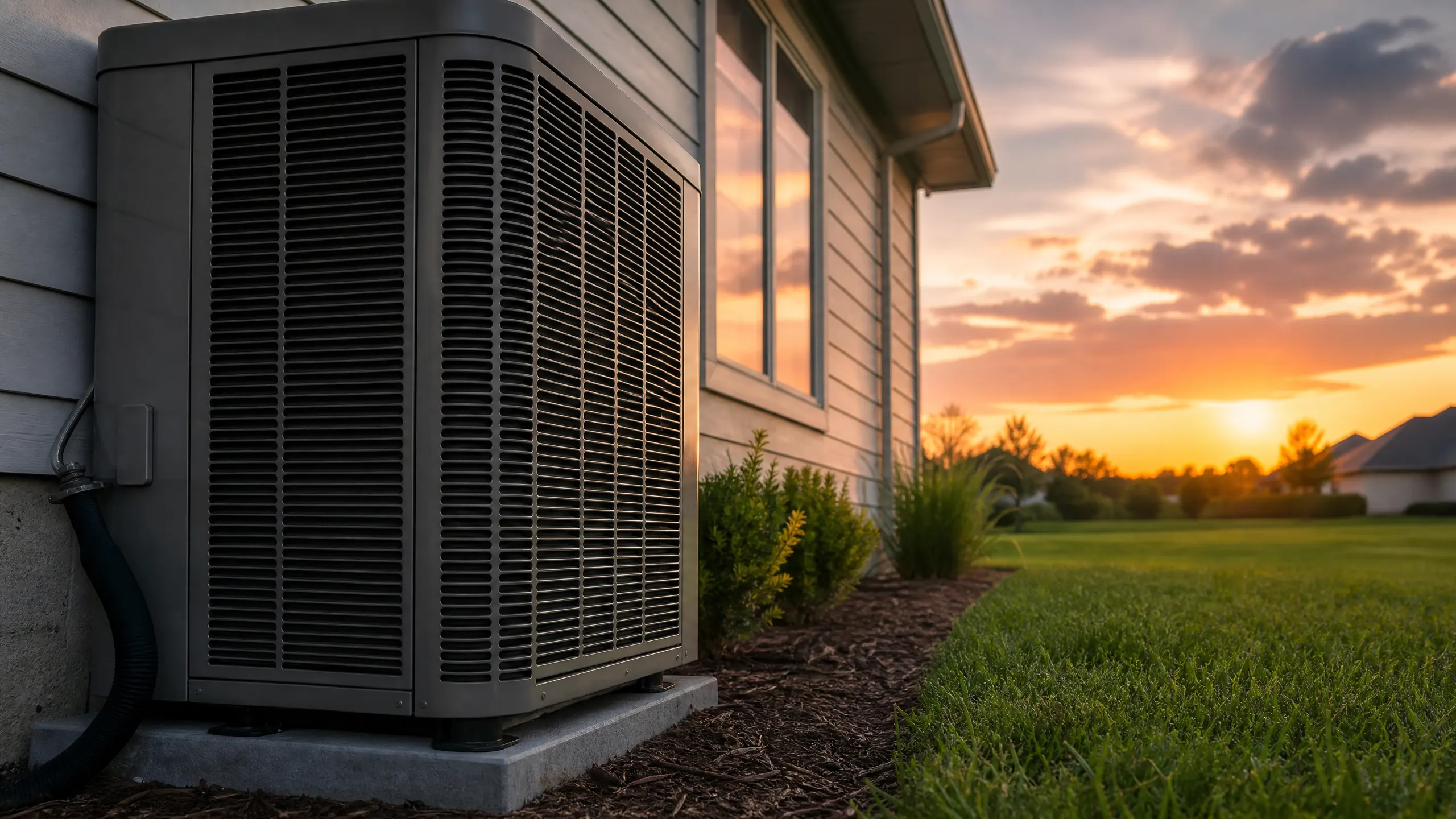
Ten months of work a year, most of it mild
Your heat pump in Oxnard runs from November through May for heat, then again from July through September for cooling. Ten months a year, one job or the other is asking something of it. Winter nights average 38°F, mild as heating loads go, and summer afternoons average 83°F, mild for cooling too. Nothing here pushes a heat pump toward the extremes it's built to survive, but the season is long. That many months of cycling adds up even when each cycle is easy.
If your new system is a split unit built since January 2023, it has to meet 14.3 SEER2 for cooling and 7.5 HSPF2 for heating. Those are federal minimums, not a ceiling, but they set the floor for what goes in.
- 7 months
- November through May, your system heats
- 3 months
- July through September, it cools
- 38°F
- the average winter night it heats against
- 83°F
- the average summer afternoon it cools against
NOAA nClimDiv, 1991–2020 normals
California requires HVAC contractors to hold a state license.
The Contractors State License Board tests contractors before they get a license. It keeps a record of who holds one. That license covers the contractor as a business, not this specific job. The same license applies whether this is their first heat pump install this month or their fiftieth.
For this job, that license is what stands behind the work. It does not cover the permit and inspection that come separately. In most cities and counties, installing a heat pump needs a permit from the local building office, and an inspection once the work is done.
Sources: California Legislative Counsel · Contractors State License Board
- Is a heat pump better than a furnace?
- A heat pump can handle both your heating and cooling from one system, where a furnace only heats. Winter lows here average 38°F, which is mild enough for a heat pump to keep up through the season without much strain. A furnace still burns gas to make heat, so if you already have gas lines run to your house, a furnace is a fair option too. Which one makes more sense depends on your home and what's already installed, and a contractor can walk through that with you.
- What's the difference between a heat pump and an air conditioner?
- An air conditioner only moves heat out of your house. A heat pump does that same job in summer, then reverses and moves heat into your house in winter. That's the whole difference in how they work. Since homes here need cooling only three months a year but heat for seven, a heat pump covers a lot more of the year than an air conditioner alone would.
- Does a heat pump work in cold weather?
- Yes, a heat pump keeps working in cold weather, and winters here are not the kind that push one to its limit. Nighttime lows average 38°F from December through February, which is well within the range a heat pump handles efficiently. Heat pumps struggle more once temperatures drop well below freezing for stretches, and that's not the pattern here.