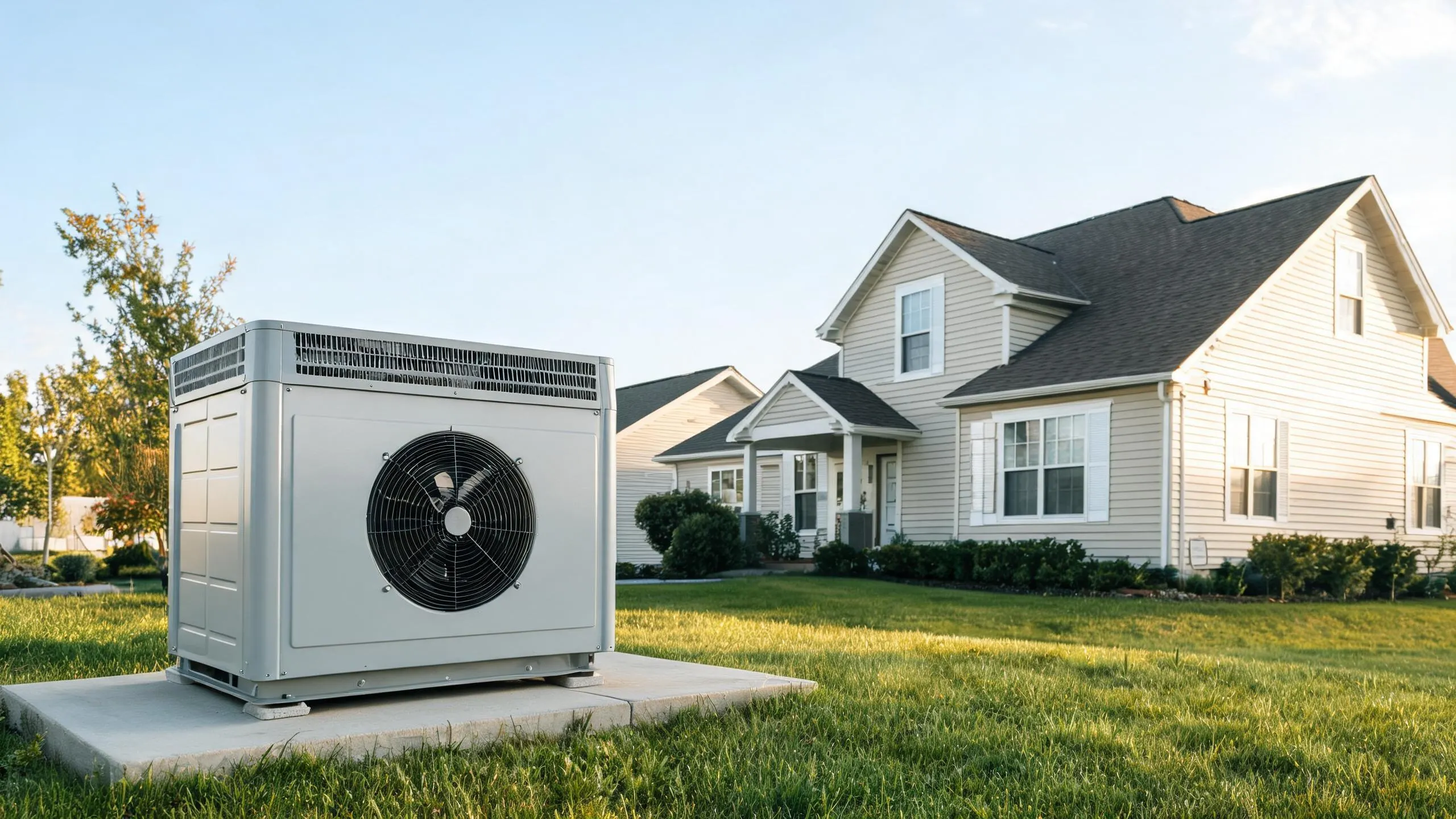
Heat Pump Installation in San Luis Obispo, CA
A new system here will heat from November through April and cool from June through September every year. Tell us about the house, and a licensed contractor who covers San Luis Obispo County will get in touch.
Tell us about the job
It takes about a minute.
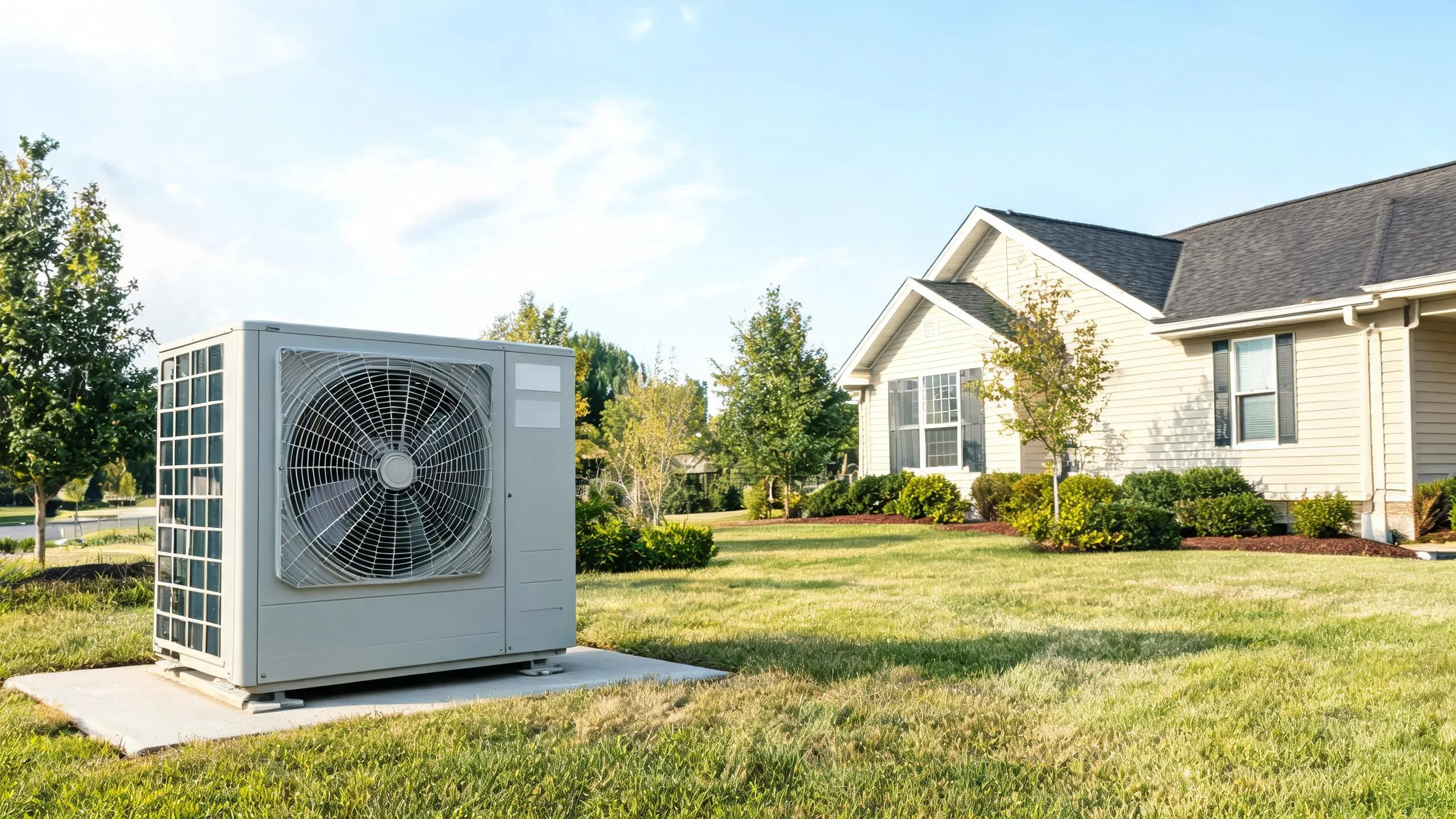
Ten months a year, one system carries the load
San Luis Obispo doesn't ask much of a heat pump on any single day. Winter nights average 38°F. Summer afternoons top out around 87°F. Neither one is severe. But the season runs long. Heat runs from November through April. Cooling runs from June through September. That's ten months where the system is doing something.
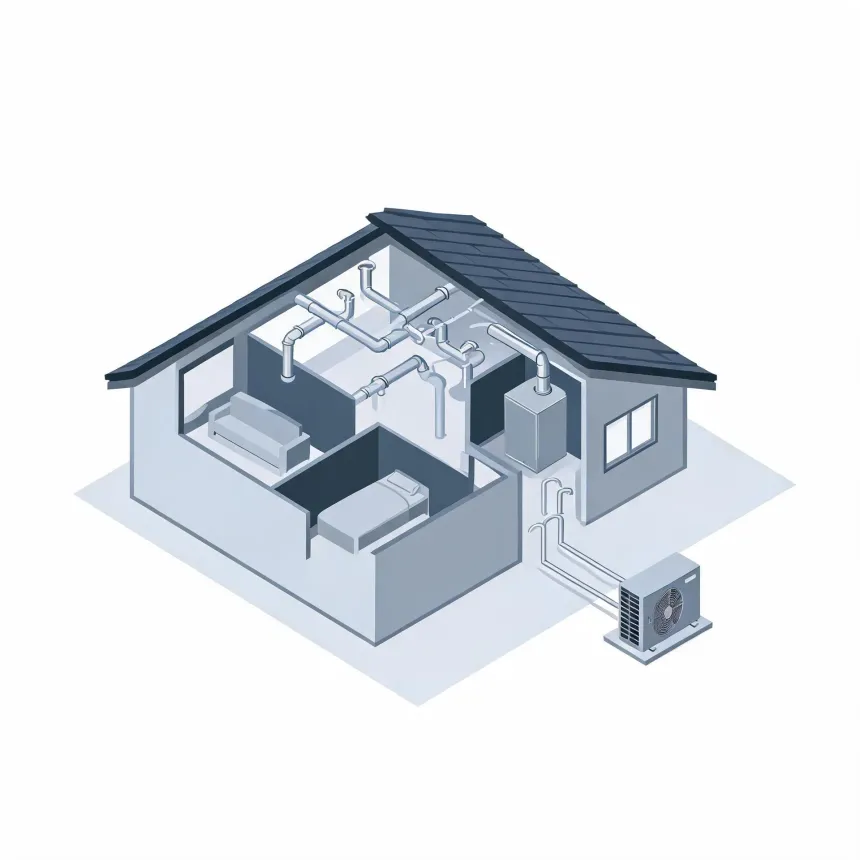
A heat pump here needs to hold up under steady, moderate use rather than short bursts of hard work. Any split-system heat pump made since January 2023 has to meet federal minimums of 14.3 SEER2 for cooling and 7.5 HSPF2 for heating. That baseline is already covered. What matters more here is sizing it for a mild season that runs most of the year, not for a cold snap that rarely comes.
- 6 months
- November through April, your system heats
- 4 months
- June through September, it cools
- 38°F
- the average winter night it heats against
- 87°F
- the average summer afternoon it cools against
NOAA nClimDiv, 1991–2020 normals
California requires HVAC contractors to hold a state license.
The license is issued to the contractor, not to this specific job. It means the state tested this contractor and keeps a record of them, and that record follows the business, not the equipment going into your home.
For a heat pump installation, that license is what stands behind the work. On top of it, most cities and counties in San Luis Obispo County require a permit from the local building office for a job like this, with an inspection once the installation is done.
Sources: California Legislative Counsel · Contractors State License Board
- Is a heat pump better than a furnace?
- It depends on what you're comparing it to and what you want it to do. A heat pump handles both heating and cooling from one system, where a furnace only heats, so you'd still need a separate air conditioner to get through summer afternoons here that average 87°F. Winter nights average 38°F here, and a heat pump built to current standards is designed to handle that kind of cold. A furnace burns gas and only does one job well, so the right choice comes down to whether you want one system or two, and a contractor can walk through what fits your house.
- What's the difference between a heat pump and an air conditioner?
- An air conditioner only moves heat out of your house. A heat pump does that same job in summer, then reverses itself in winter and moves heat into your house instead. That's why a heat pump can replace both your furnace and your air conditioner, while an air conditioner alone only covers the four months a year homes here need cooling.
- Does a heat pump work in cold weather?
- Yes. A heat pump still pulls heat from outside air even when it's cold, because outside air holds usable heat down to well below freezing. Winter nights here average 38°F, which is well within the range a heat pump is built to handle. Heat pumps made now have to meet a federal minimum of 7.5 HSPF2 for heating, a standard set with cold-weather performance in mind.