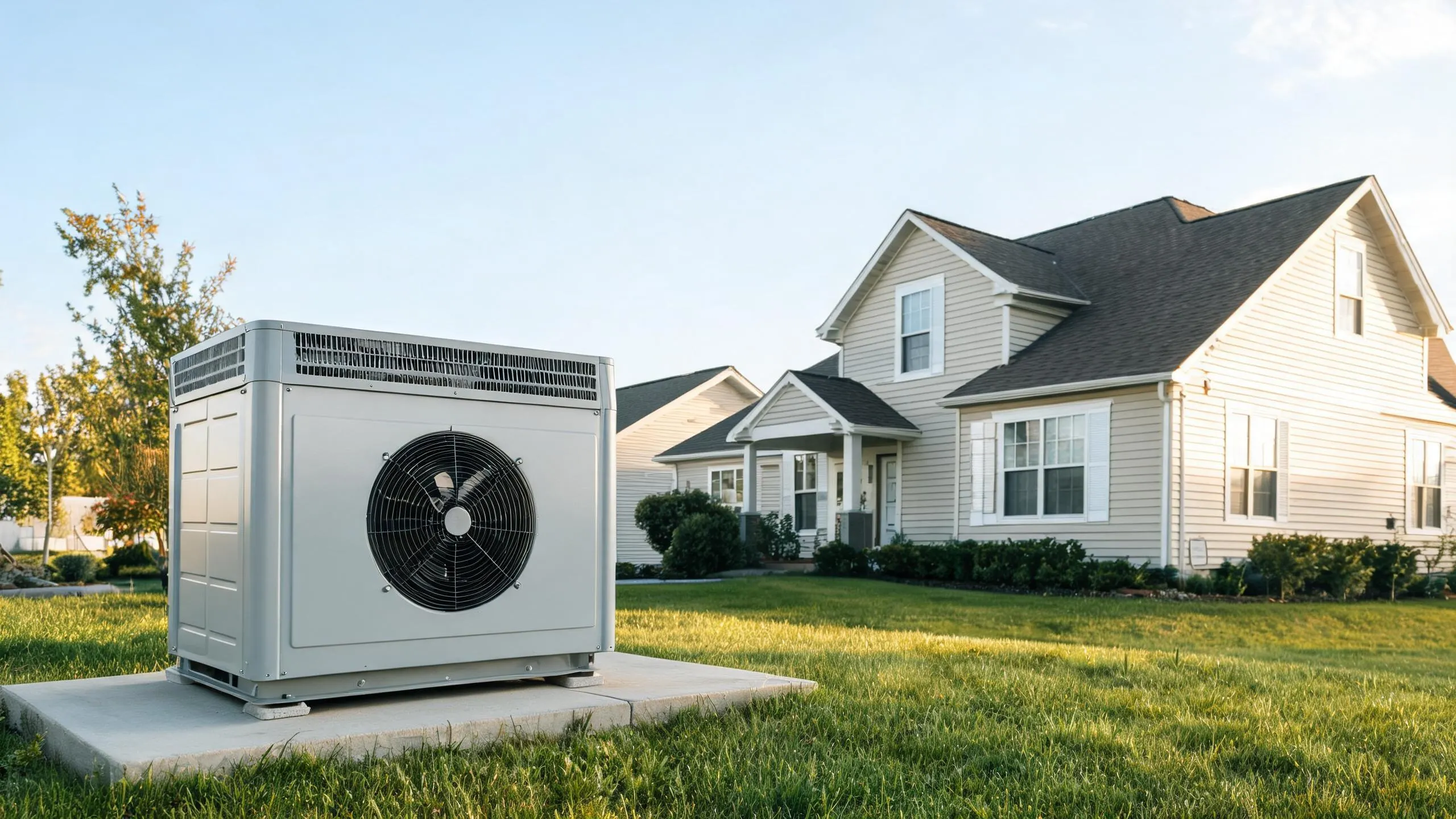
Heat Pump Repair in San Luis Obispo, CA
Homes here need heat from November through April and cooling from June through September. If your system quits, tell us what it's doing and a licensed contractor who covers San Luis Obispo County will get in touch.
Tell us about the job
It takes about a minute.
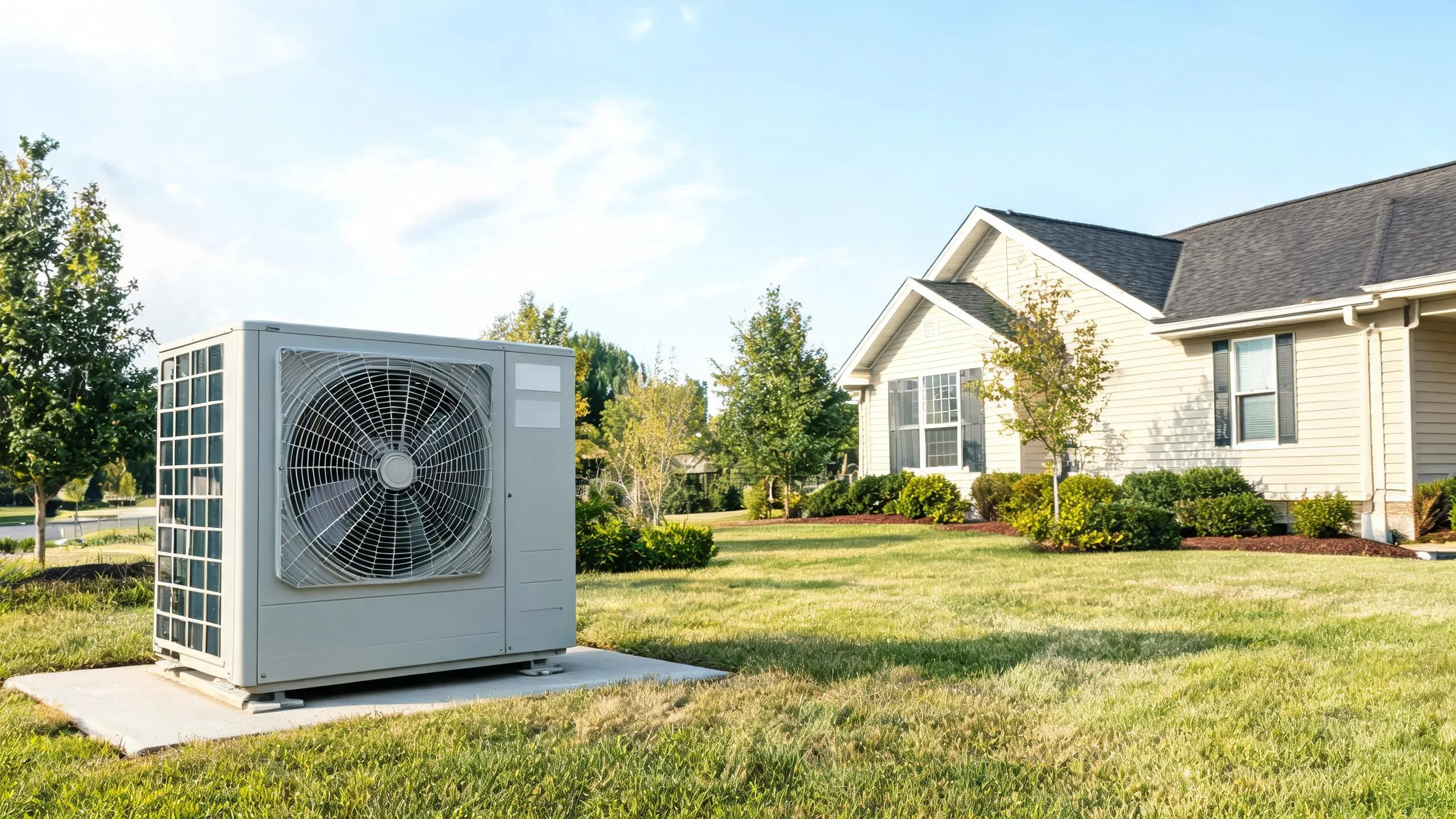
Ten months of work a year, with only a short break
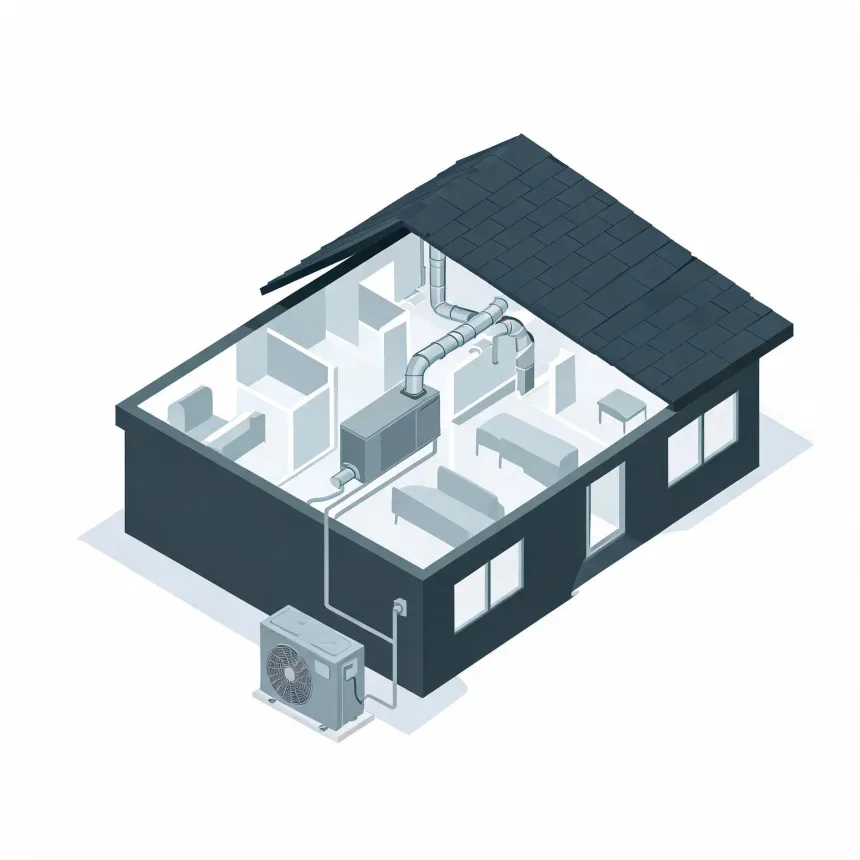
Your heat pump runs June through September to cool the house, then switches over and runs November through April to heat it. That covers 10 of the months here, with only a short break in spring and fall. The reversing valve is what switches it between the two jobs, and it works every time the season turns.
Winter nights average 38°F here, mild enough that the heat pump can usually carry the heating load on its own. Summer afternoons averaging 87°F push the compressor hard on the other end of the year. The county has logged 27 damaging wind events over the past ten years, and wind that strong can knock debris into the outdoor coil or rock the unit on its pad, straining the refrigerant lines that run to it. If the system stops responding or won't switch between heating and cooling, that is often where the trouble starts.
- 6 months
- November through April, your system heats
- 4 months
- June through September, it cools
- 38°F
- the average winter night it heats against
- 87°F
- the average summer afternoon it cools against
NOAA nClimDiv, 1991–2020 normals
California requires HVAC contractors to hold a state license.
The license is issued to the contractor, not to the job, so it stays with them from one repair to the next rather than being something pulled for this particular visit. The state tests for it and keeps a record of who holds one, through the Contractors State License Board.
For a heat pump repair, that license is what stands behind the work. If the repair involves opening the refrigerant side of the system, which is common on a heat pump, the technician doing that part also needs EPA Section 608 certification, a federal requirement that applies in every state on top of whatever the state itself requires.
Sources: California Legislative Counsel · Contractors State License Board
- Why is my heat pump blowing cold air?
- In heat mode, this usually means the system is stuck in defrost or has lost refrigerant. A heat pump moving warm air feels cooler than a furnace anyway, so air a few degrees under body temperature can feel cold even when the system is working fine. If the air is truly cold, not just cool, check the outdoor unit for a frozen coil or listen for the reversing valve failing to switch back from defrost. A contractor can test the reversing valve and refrigerant charge to find which one it is.
- Why is there ice on my heat pump?
- Some frost during a defrost cycle in winter is normal, especially on a cold night near 38°F. The outdoor unit should clear that ice on its own once it switches back to normal operation. If the coil stays iced over or the ice keeps building, that points to low refrigerant, a failing defrost sensor, or restricted airflow from a dirty coil. Running the system with a badly iced coil can damage the compressor, so shut it off and have a contractor look at it.
- Why is my heat pump running but not cooling?
- If the outdoor unit and indoor blower are both running but the air isn't cold, the most common causes are low refrigerant, a dirty air filter, or a compressor that isn't engaging. Start with the filter since a clogged one restricts airflow enough to make the system seem like it's not cooling at all. On a hot afternoon near 87°F, a system low on refrigerant will run long stretches without bringing the temperature down. A contractor can check refrigerant pressures and confirm whether the compressor itself is the problem.