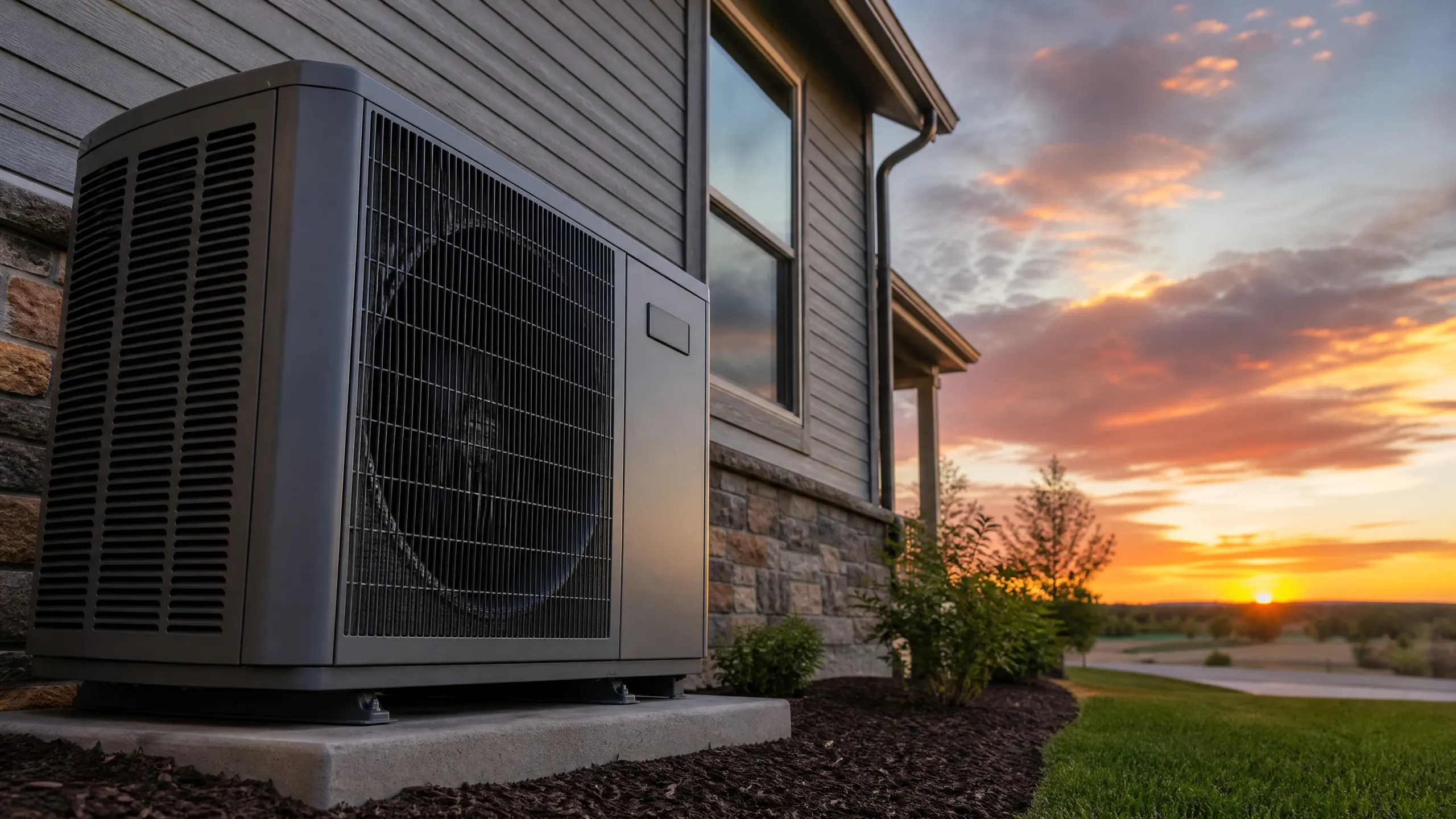
Heat Pump Repair in Santa Maria, CA
Homes here need heat from November through May and cooling from July through September. If your system quits, tell us what it's doing and a licensed contractor who covers Santa Barbara County will get in touch.
Tell us about the job
It takes about a minute.
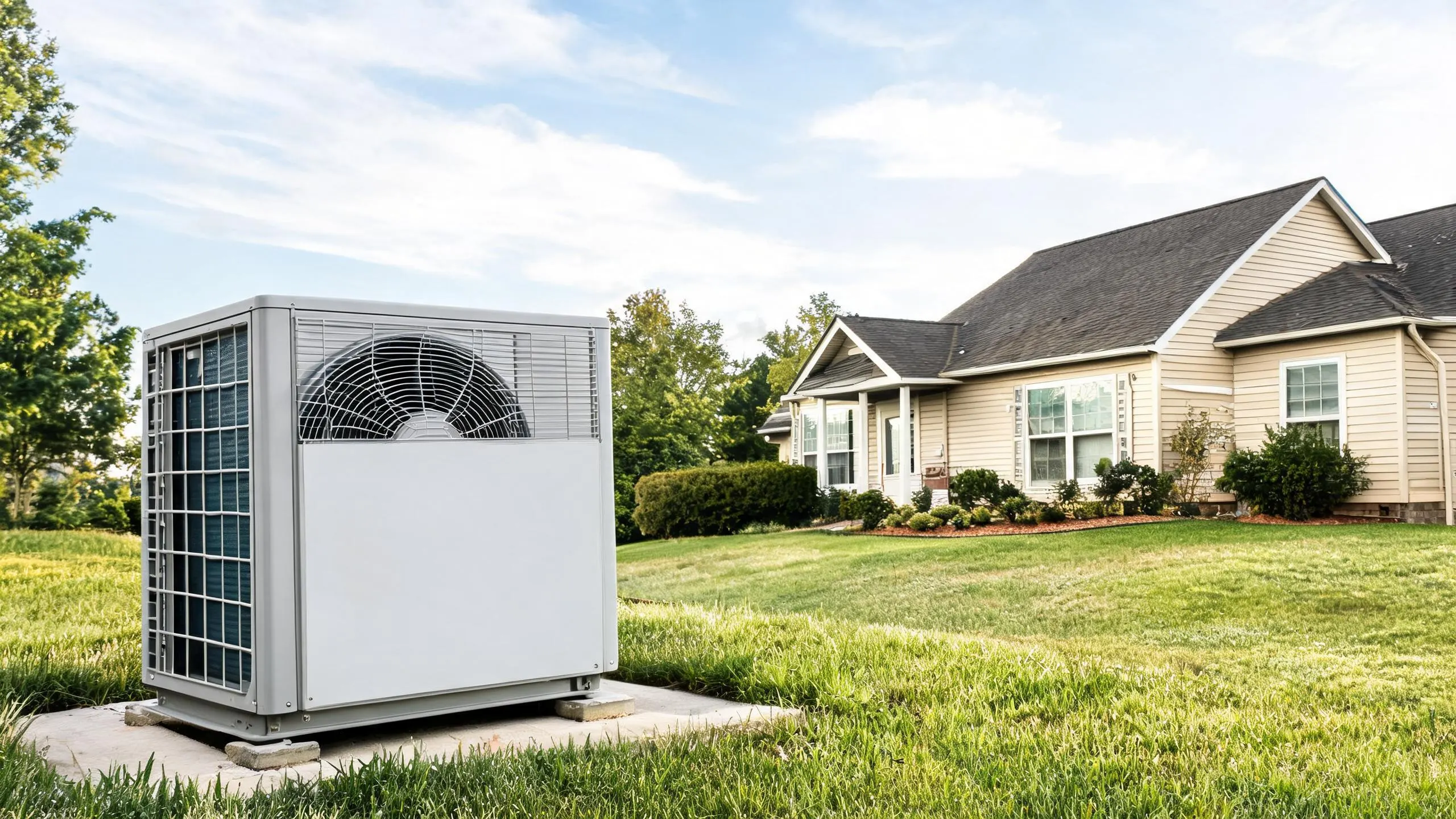
Ten months of work a year in Santa Maria
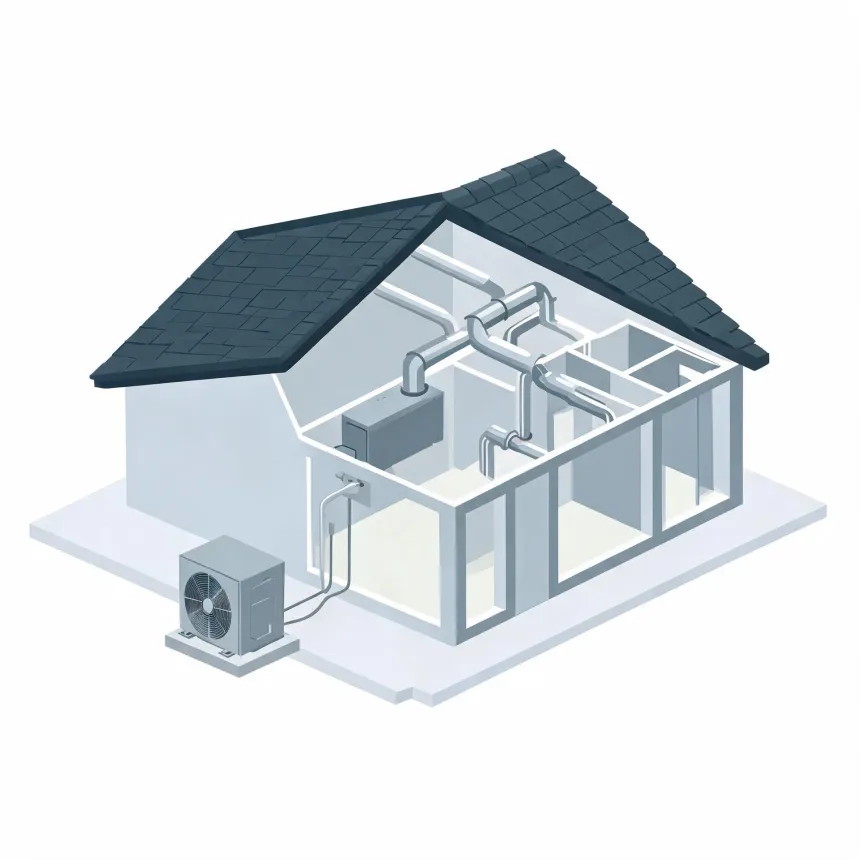
Your heat pump runs from November through May to heat the house, then switches over for July through September to cool it. That is ten months of the year with barely a break between seasons. Winter nights average 40°F here, mild by most standards, but the system still runs long hours through those months to keep up.
Most homes in Santa Maria heat with gas, so a heat pump carrying cooling and all that mild-weather heat on its own tends to get less attention than a furnace running the same hours would. That makes it easy to miss a system that is starting to struggle, since the only sign might be a house that takes longer to warm up or cool down than it used to.
- 7 months
- November through May, your system heats
- 3 months
- July through September, it cools
- 40°F
- the average winter night it heats against
- 81°F
- the average summer afternoon it cools against
NOAA nClimDiv, 1991–2020 normals
California requires HVAC contractors to hold a state license.
The license is issued to the contractor, not to the job, so it travels with whoever is running the business rather than being reissued each time they take on a repair. The Contractors State License Board is the body that tested them and keeps that record, and it is where the license stands or falls if something goes wrong.
A heat pump repair almost always means opening the refrigerant side of the system, and that part of the job falls under a separate federal rule. Any technician handling refrigerant, in California or any other state, has to hold EPA Section 608 certification. That certification is not something the state license board tracks. It is a federal requirement that sits alongside the state one, and a heat pump repair needs both.
Sources: California Legislative Counsel · Contractors State License Board
- Why is my heat pump blowing cold air?
- In heating mode, a heat pump puts out air that feels cool next to your skin even when it is working right, because the air coming out is warmer than the room but still cooler than your body. If the air is actually cold, check that the thermostat is set to heat and not fan only. A stuck reversing valve can also leave the system running in cooling mode when it should be heating, and that needs a contractor to fix.
- Why is there ice on my heat pump?
- Some frost on the outdoor unit during a cold morning is normal, and the system should clear it on its own with a defrost cycle. If ice is building up and staying, look for anything blocking airflow around the unit, like leaves or a cover. Thick ice that does not melt off usually means the defrost cycle has stopped working or the refrigerant charge is low, and a contractor will need to check it.
- Why is my heat pump running but not cooling?
- If the outdoor unit is running but the house is not cooling, start with the air filter and the vents, since a blocked filter can choke off airflow enough to stop cooling. Next check that the outdoor unit itself has clear space around it and nothing stacked against the coil. If both of those are clear, the system is likely low on refrigerant or has a failing component, and that calls for a contractor to test it.