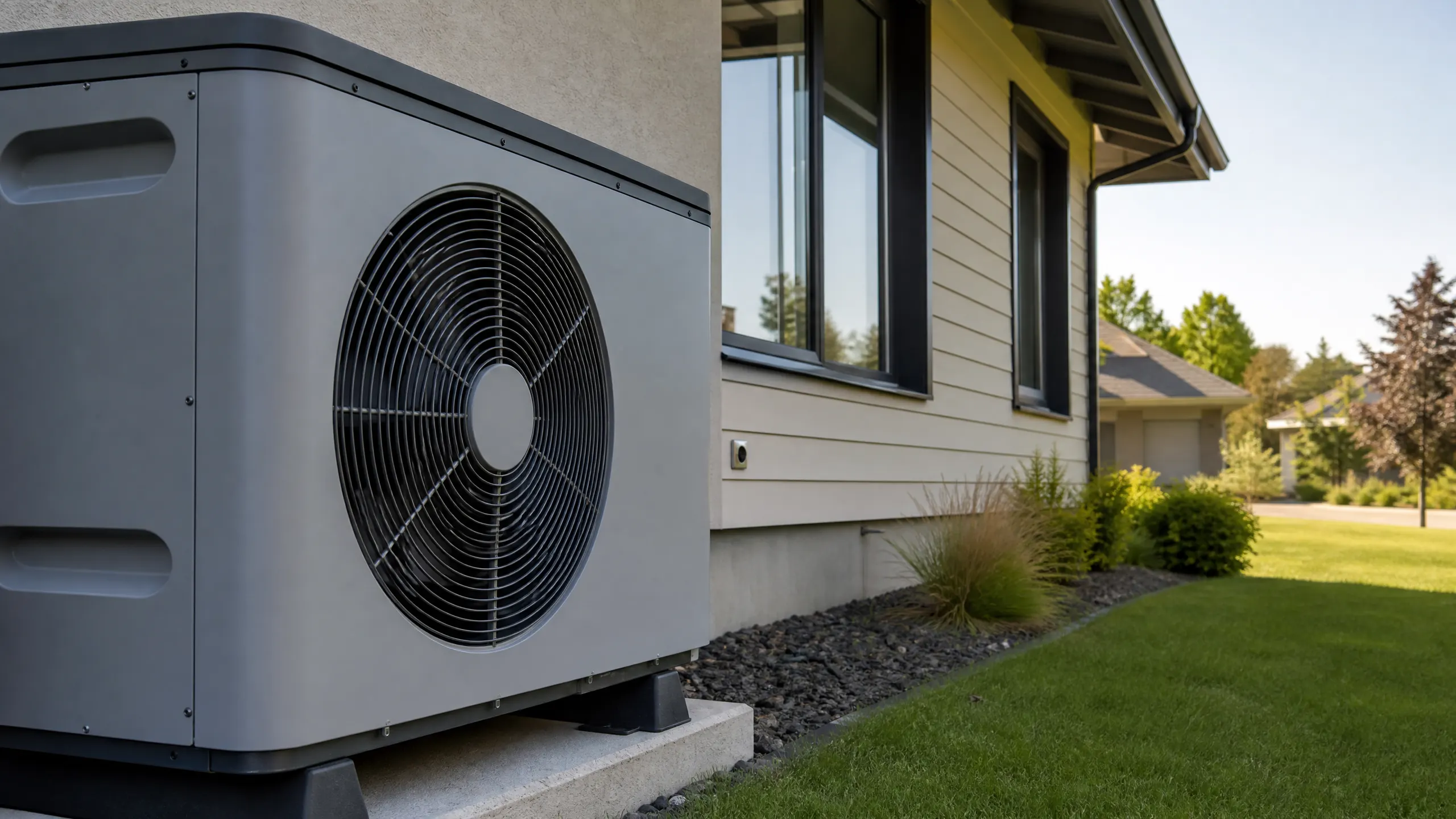
Heat Pump Installation in Santa Rosa, CA
Tell us about the house, and a licensed contractor who covers Sonoma County will get in touch.
Tell us about the job
It takes about a minute.
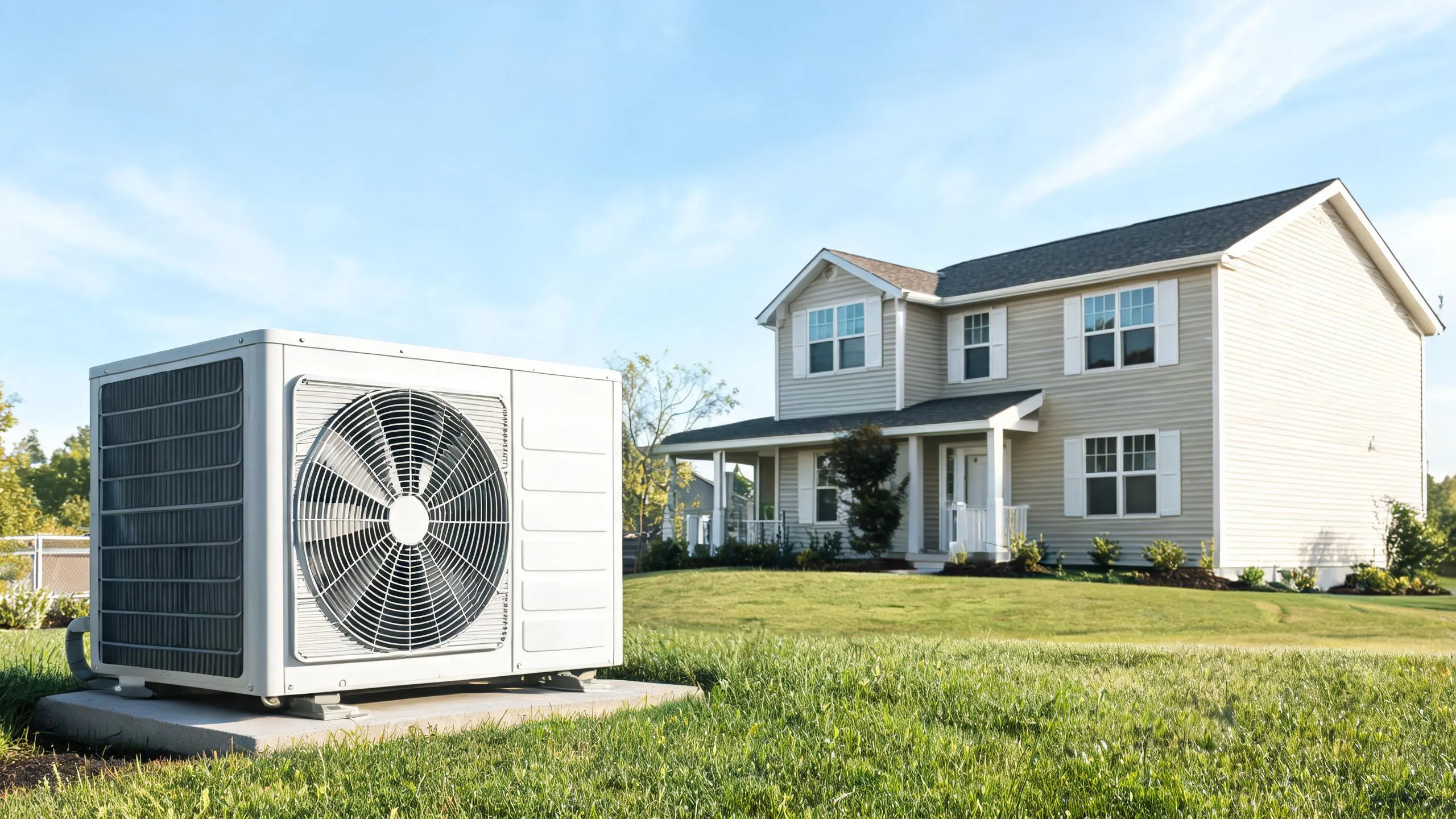
Santa Rosa asks for heat more than it asks for cooling
Your heat pump here is working most of the year, November through May, seven months of heating. Winter nights average 40°F, which is mild compared to a lot of the country, but the compressor is still running most days that stretch to keep the house warm. Summer afternoons average 79°F, so the cooling side of the job is light by comparison.
A new split-system heat pump installed now has to meet 14.3 SEER2 for cooling and 7.5 HSPF2 for heating, the federal minimum as of January 2023. With most of its work here being heating, not cooling, the HSPF2 rating is the one that matters most for what you will actually feel on a January night.
- 7 months
- November through May, your system heats
- 40°F
- the average winter night it heats against
- 79°F
- the average summer afternoon it cools against
California requires HVAC contractors to hold a state license.
The license is issued to the contractor's business, not to any single job, so it does not expire or get rechecked each time work is done. The Contractors State License Board is the agency that tested the contractor and keeps that record on file.
For a heat pump installation in Sonoma County, that license is what stands behind the person doing the work, and the local building office is what checks the work itself. Most cities and counties here require a permit for a heat pump installation and an inspection once it is finished, separate from anything the state license covers.
Sources: California Legislative Counsel · Contractors State License Board
- Is a heat pump better than a furnace?
- A heat pump does something a furnace can't. It cools your home in summer as well as heats it in winter. Homes here need heat from November through May, so a system that covers both jobs year round is worth considering. A furnace only burns fuel to make heat, and about 62.6% of homes here already heat with gas. Whether a heat pump makes sense for your house depends on your ductwork, your current system, and your electrical setup, so a contractor should look at the specifics before you decide.
- What's the difference between a heat pump and an air conditioner?
- An air conditioner only moves heat out of your home. A heat pump does that same job in summer, then reverses and moves heat into your home in winter. The two use the same basic parts, a compressor, a coil outside, a coil inside. What sets the heat pump apart is a reversing valve that lets it run in both directions. Since homes here need heat for 7 months, that extra capability matters more than it would somewhere with a shorter winter.
- Does a heat pump work in cold weather?
- Yes, a heat pump keeps pulling heat from outside air even when it's cold. It works harder as the temperature drops, but it doesn't stop working. Winter nights here average 40°F, which is well within the range a heat pump handles without trouble. Split-system heat pumps sold new today have to meet a federal minimum of 7.5 HSPF2 for heating, a rating that reflects performance across a full winter, not just mild days. A contractor can size the system to your house so it keeps up through the coldest nights you get here.