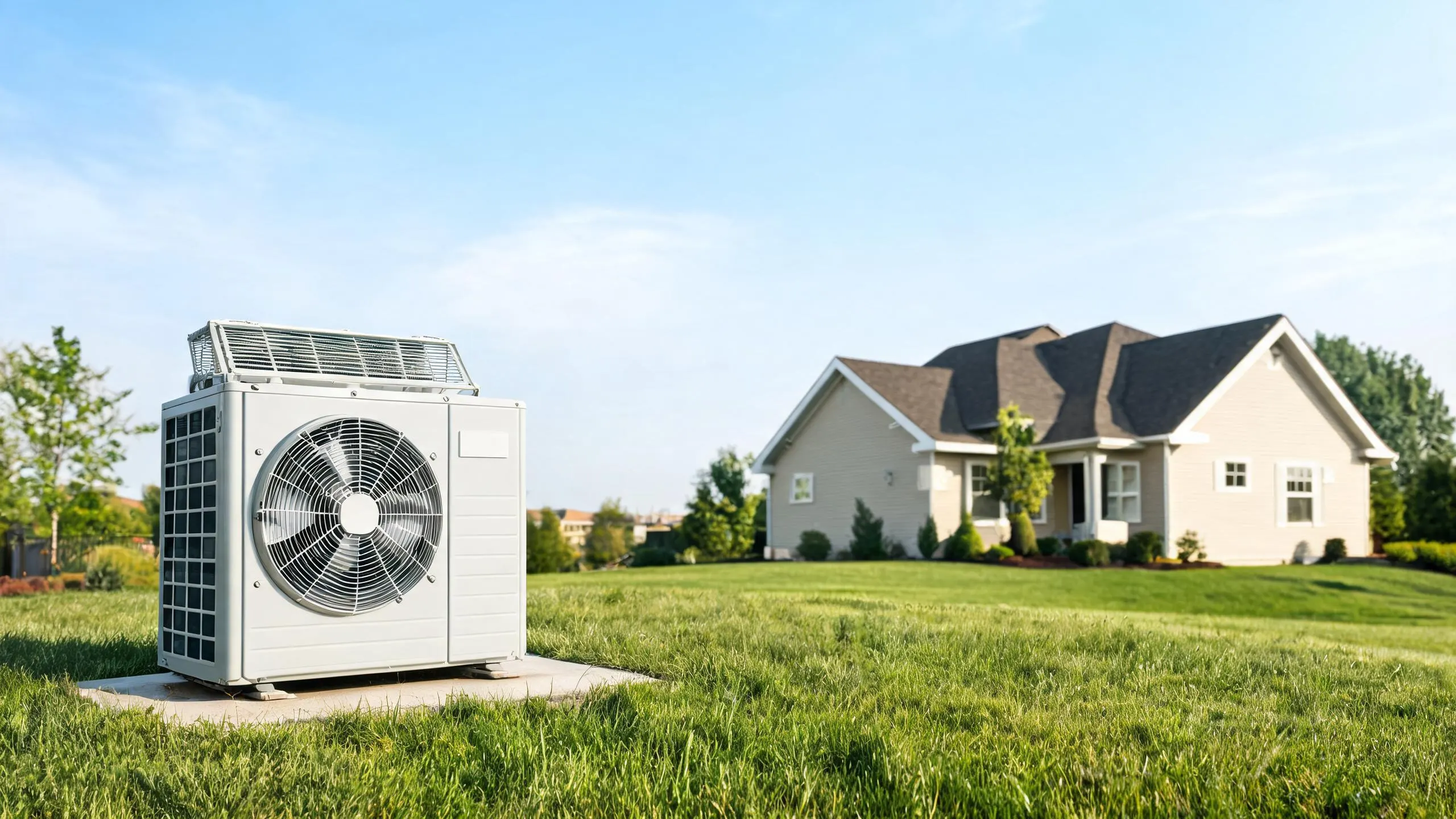
Heat Pump Repair in Vallejo, CA
Homes here need heat from November through April and cooling from June through September. If your system quits, tell us what it's doing and a licensed contractor who covers Solano County will get in touch.
Tell us about the job
It takes about a minute.
Ten months of work a year on your heat pump
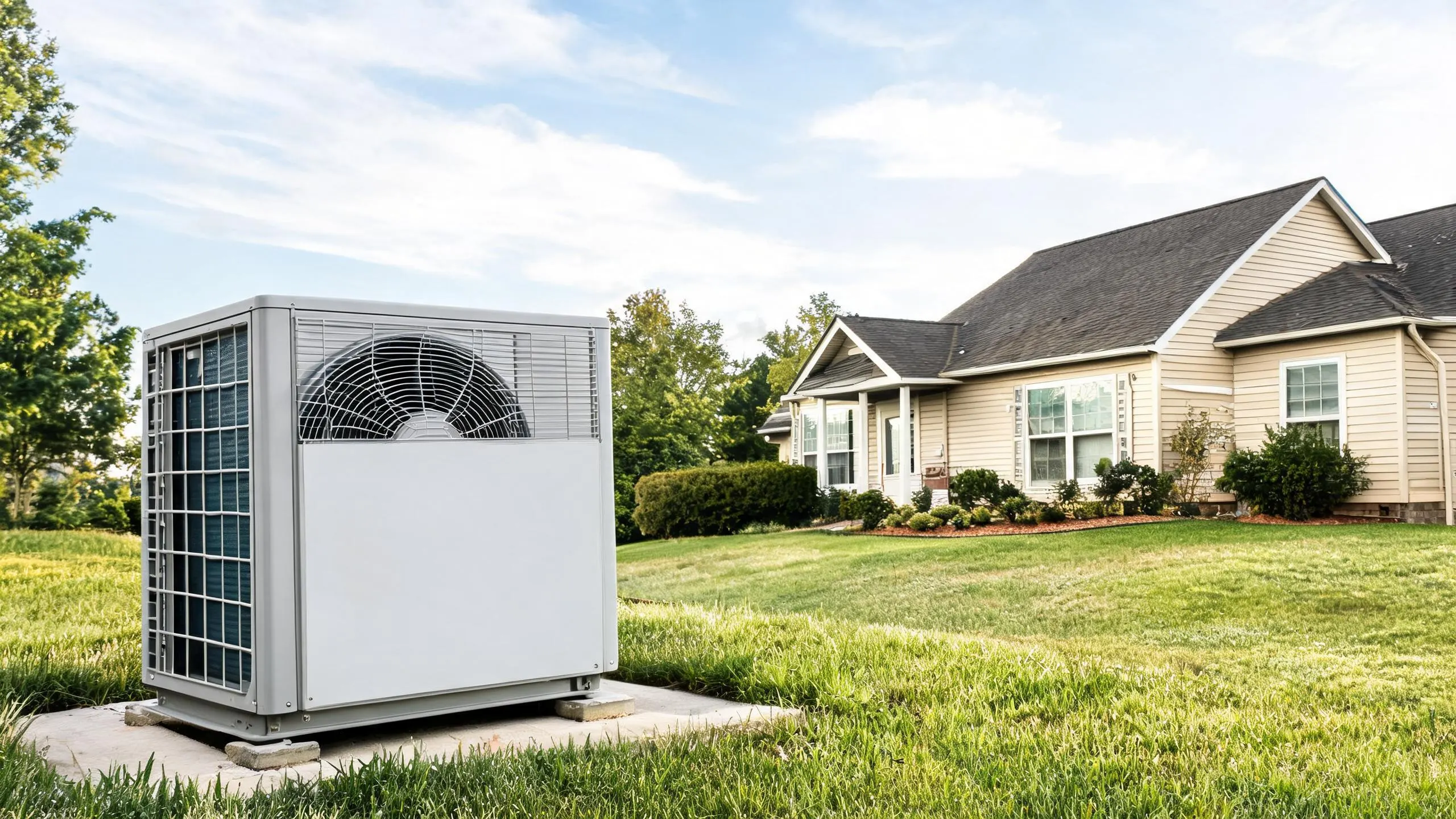
In Vallejo your heat pump runs most of the year, cooling through summer afternoons near 88°F and heating through winter nights that average 40°F. That is ten months of cycling on and off, and most of that load falls on the outdoor unit and the compressor inside it.
Wind is the other thing it has to survive. Solano County has logged 52 damaging wind events over the past ten years, and a unit that takes a hit from blowing debris can start short-cycling or stop pushing air at the temperature it should. If your heat pump is running constantly without keeping up, or the air coming out has gone lukewarm, that is usually where to look first.
- 6 months
- November through April, your system heats
- 4 months
- June through September, it cools
- 40°F
- the average winter night it heats against
- 88°F
- the average summer afternoon it cools against
NOAA nClimDiv, 1991–2020 normals
California requires HVAC contractors to hold a state license.
The state tests contractors before they can hold this license, and the license is tied to the contractor rather than to any single job. That means the same license that let a contractor take on a heat pump repair in one home covers the next one too, and the state keeps a record of who holds it.
Repairing a heat pump usually means working on the refrigerant side of the system, and anyone who does that, in California or anywhere else, has to hold EPA Section 608 certification. That is a federal requirement on top of the state license, not a substitute for it. Between the two, this is a job where both the contractor and the person doing the hands-on work are accounted for.
Sources: California Legislative Counsel · Contractors State License Board
- Why is my heat pump blowing cold air?
- In heating mode, a heat pump moves air over a coil that is warm but not as hot as a furnace makes it, so the air at the vent can feel cool even when it's working right. If the air feels truly cold, not just cool, check that the outdoor unit is running and not caked in ice. A dirty filter, a low refrigerant charge, or a failing reversing valve can also keep the air from warming up, and those need a contractor to check.
- Why is there ice on my heat pump?
- Some frost on the outdoor coil during cold weather is normal. Your heat pump runs a defrost cycle on a timer, and every so often it reverses briefly to melt that frost off. If the coil is heavily iced, or stays iced after the unit has run a while, something is keeping it from defrosting, like a stuck reversing valve, a failed defrost sensor, or a fan that isn't clearing the coil. That's a repair, not something to wait out.
- Why is my heat pump running but not cooling?
- If the outdoor unit is running but the air inside isn't cooling, the most common cause is low refrigerant, usually from a leak somewhere in the line. A dirty outdoor coil that can't shed heat, or a filter so clogged it chokes airflow through the indoor coil, can cause the same thing. On a 88°F afternoon this shows up fast, because the system is already working at its limit. A contractor will need to check the charge and the coils to find which one it is.