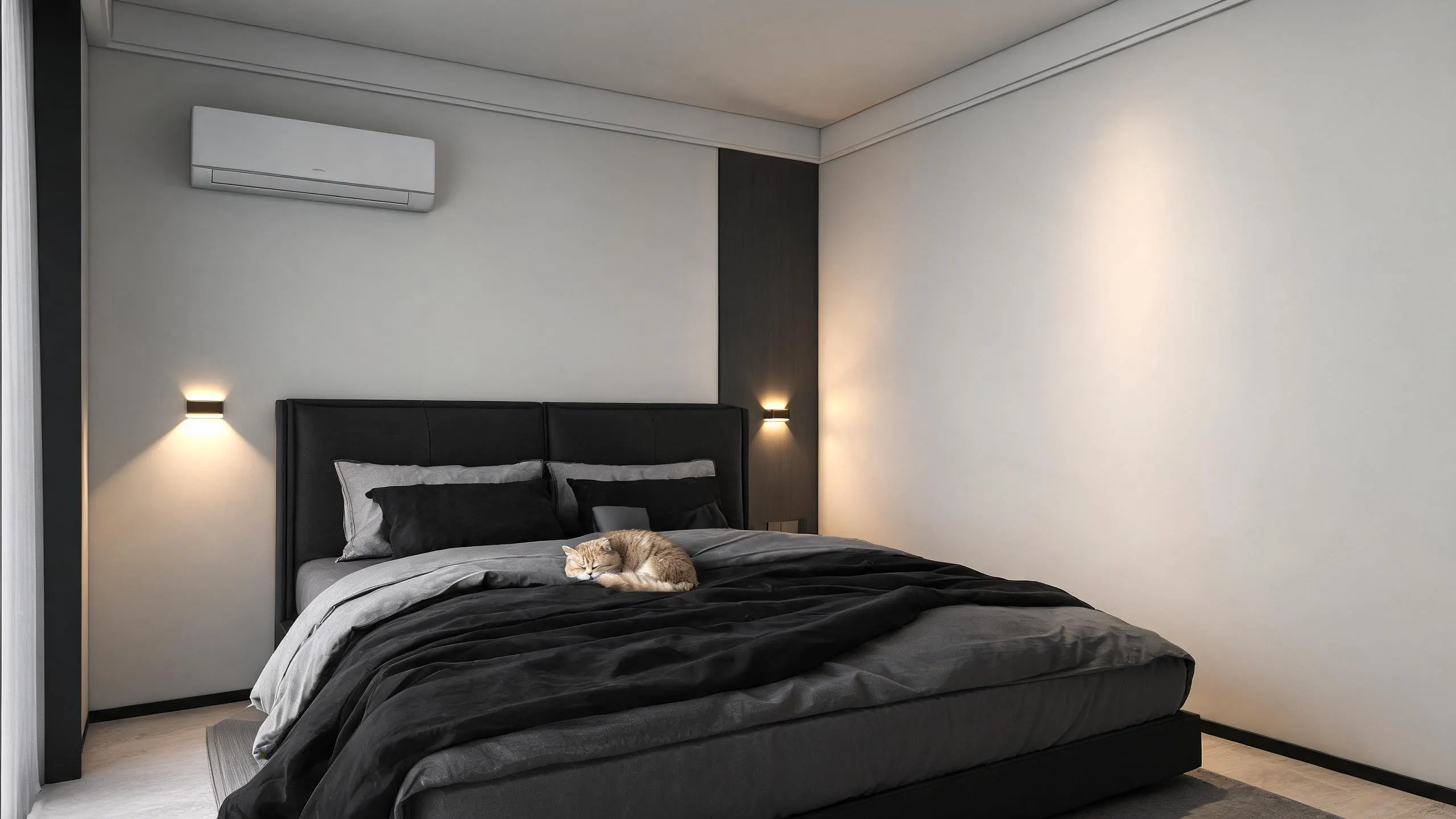
Mini Split Installation in Vallejo, CA
A new system here will heat from November through April and cool from June through September every year. Tell us about the house, and a licensed contractor who covers Solano County will get in touch.
Tell us about the job
It takes about a minute.
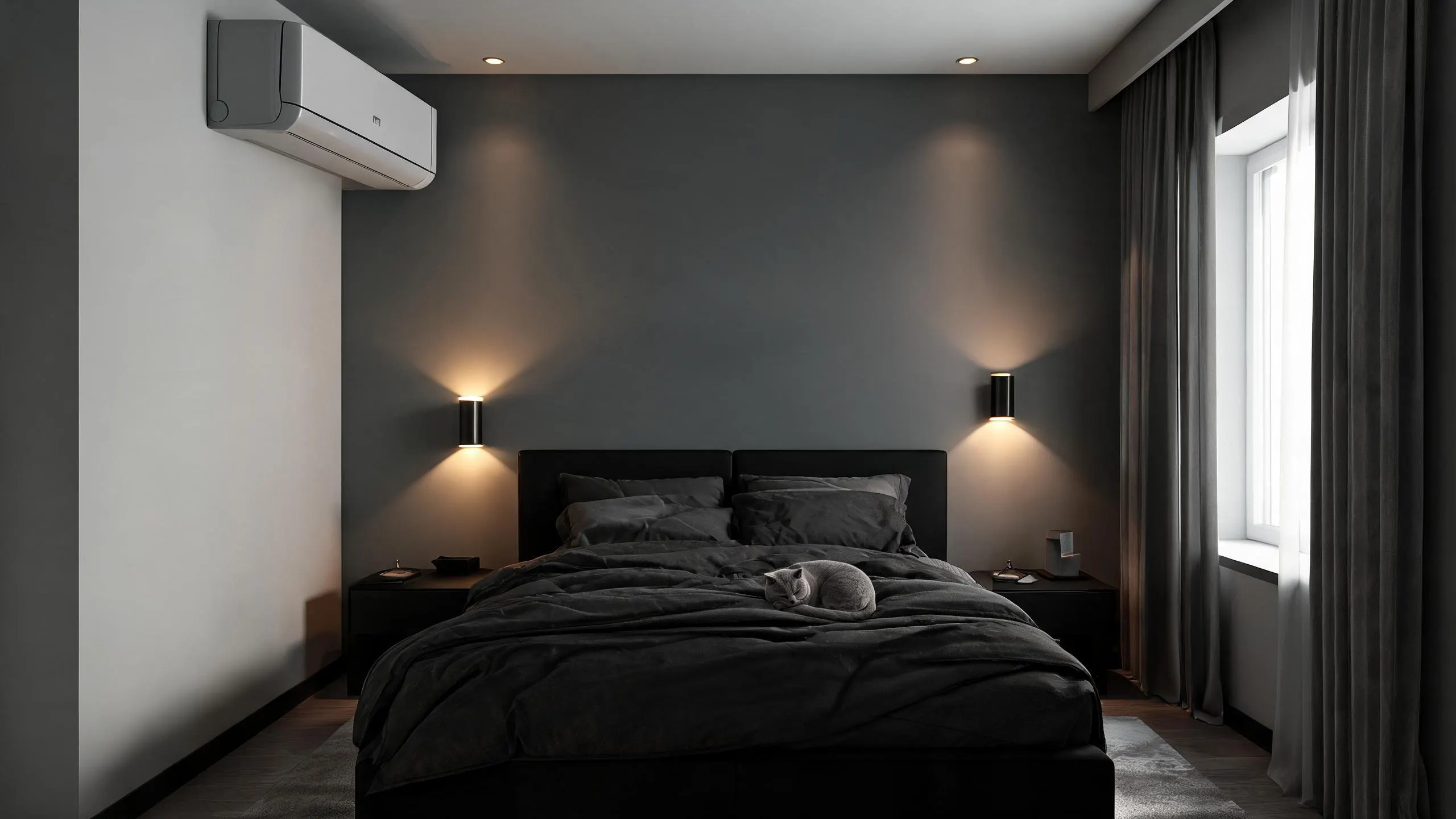
Ten months of work a year in Vallejo
A mini-split here runs most of the year, not just in a hot stretch or a cold snap. Homes need heat from November through April and cooling from June through September, 10 months out of the year. Winter nights average 40°F and summer afternoons average 88°F, mild on both ends, so the system is not being pushed to its limit. What it needs is to hold up across that long stretch, since it is rarely sitting idle.
Any mini-split installed new has to meet the federal minimum for split-system heat pumps, 14.3 SEER2 for cooling and 7.5 HSPF2 for heating. That is the floor a contractor works from when sizing and installing one for a Vallejo home.
- 6 months
- November through April, your system heats
- 4 months
- June through September, it cools
- 40°F
- the average winter night it heats against
- 88°F
- the average summer afternoon it cools against
NOAA nClimDiv, 1991–2020 normals
California requires HVAC contractors to hold a state license.
The CSLB tests contractors before issuing a license and keeps a record of who holds one and in what classification. That license belongs to the contractor, not to any single job, so the same license that covers a furnace swap covers your mini-split install.
That license is what stands behind the work itself, the sizing, the wiring, the refrigerant lines. Separate from it, most cities and counties require a permit from the local building office for this kind of installation, with an inspection once the work is done.
Sources: California Legislative Counsel · Contractors State License Board
- Is a mini split worth it?
- For most homes, yes. A mini split heats and cools without ducts, so you skip the energy losses that come with duct leaks, and each room gets its own thermostat control. Vallejo needs heat November through April and cooling June through September, so a system doing both jobs stays useful most of the year. A contractor can look at your rooms and layout and tell you what size system makes sense.
- How many rooms can a mini split cover?
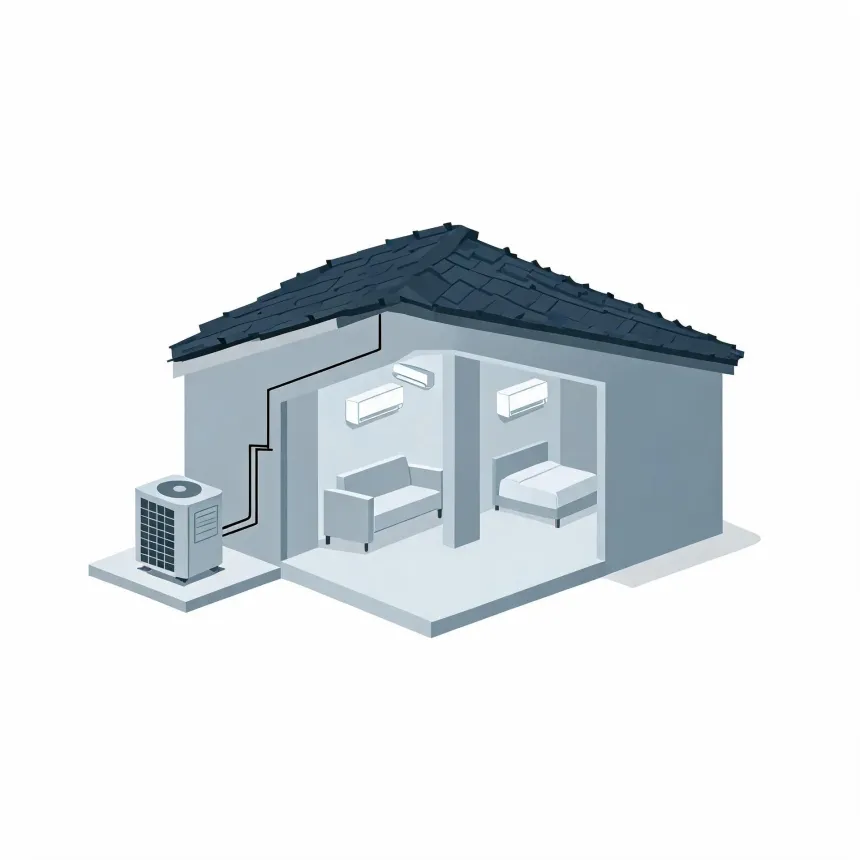
- A single outdoor unit can run more than one indoor head, so a mini split can cover several rooms at once. One indoor head works well for one room or an open living area. If you have multiple separate rooms to cover, a multi-zone system ties several indoor heads to one outdoor unit, and each head keeps its own thermostat. A contractor can size the system to the rooms you actually want conditioned.
- Can a mini split heat a whole house?
- It can, if it's sized and placed for that. A multi-zone mini split with heads in each main room can carry a whole house through Vallejo's winter, where nights average 40°F from December through February. The system has to be matched to the square footage and how the rooms connect, so a contractor needs to look at the layout before saying what setup covers the whole home.