
HVAC Installation in San Mateo, CA
Tell us about the house, and a licensed contractor who covers San Mateo County will get in touch.
Tell us about the job
It takes about a minute.

A long mild winter, not a hard one
Homes here need heat from November through May, seven months of the year. Winter nights average 43°F from December through February, which is mild, but the furnace still has to run night after night for most of the year. That is a different job than heating through a short, harsh cold snap.
Summer afternoons average 73°F, so cooling asks little of a system here. Most households in the area heat with gas. Whatever gets installed still has to meet the federal efficiency minimum, and it has to hold up to steady, long use through a mild winter rather than brief, extreme demand.
- 7 months
- November through May, your system heats
- 43°F
- the average winter night it heats against
- 73°F
- the average summer afternoon it cools against
California requires HVAC contractors to hold a state license.
The license is held by the contractor, not by the job. California's Contractors State License Board tests and records the person or company, and that same license covers this installation and every other job that contractor takes on. It is a record with the state, not a stamp on this particular project.
For an installation, the second layer is local. In most cities and counties, putting in a new furnace, air conditioner or heat pump needs a permit from the local building office, and the work gets inspected once it is done. The license tells you who is allowed to do the work. The inspection tells you the work that got done in this house was done right.
Sources: California Legislative Counsel · Contractors State License Board
- When should I replace my HVAC system?
- Replace it when repairs stop being worth it or the system can't keep up anymore. A furnace that's short-cycling, won't hold a steady temperature, or needs a major part like a heat exchanger is usually past the point of patching. If you're calling for a repair every year, that's your answer. A contractor can look at the specific unit and tell you whether one more repair makes sense or not.
- Should I replace my furnace and air conditioner at the same time?
- Most homes here don't have central air, since San Mateo doesn't need cooling. If your home does have an air conditioner paired with your furnace, replacing both together only makes sense if they're close in age and both nearing the end of their life. There's no reason to replace a working air conditioner just because the furnace is going out. A contractor can check both systems and tell you what actually needs to happen.
- What happens during an HVAC installation?
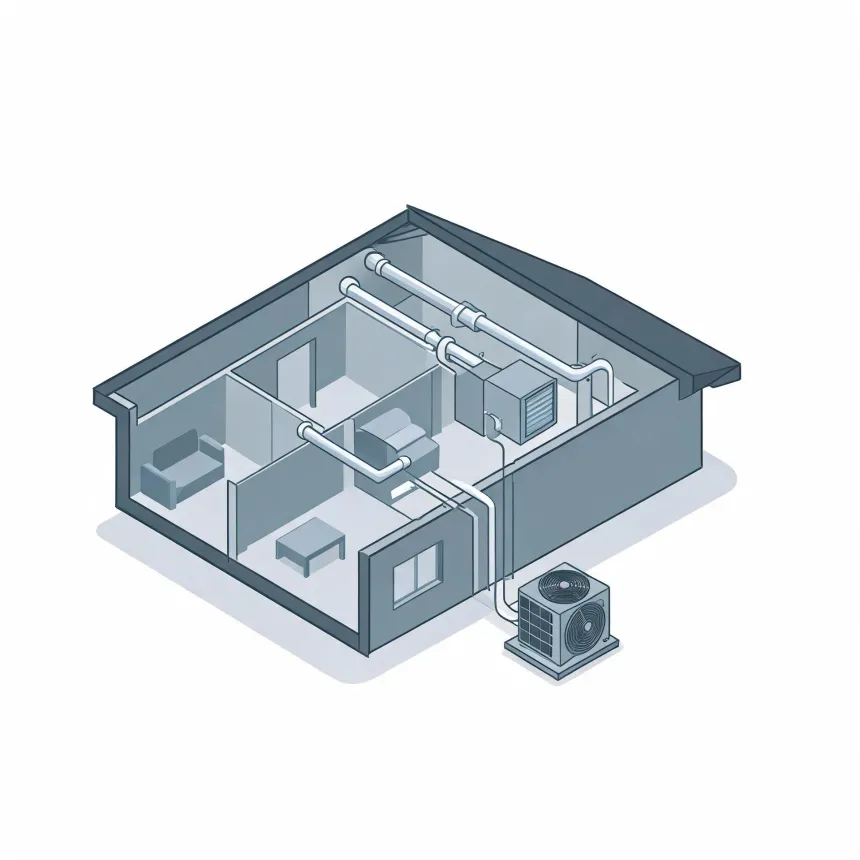
- A contractor removes the old equipment, sets the new furnace or air handler in place, and connects it to your ductwork, gas line, and venting. The electrical and control wiring gets hooked up next, and the system is fired up and tested to make sure it's heating properly and the vent hood is drafting correctly. Depending on the job, the ducts themselves might get inspected or sealed at the same time. Homes here need heat from November through May, so getting this done before the cold nights set in matters.