Mini Split Installation in Roseville, CA
A new system here will heat from October through May and cool from July through August every year. Tell us about the house, and a licensed contractor who covers Placer County will get in touch.
Tell us about the job
It takes about a minute.
Ten months of work a year, in both directions
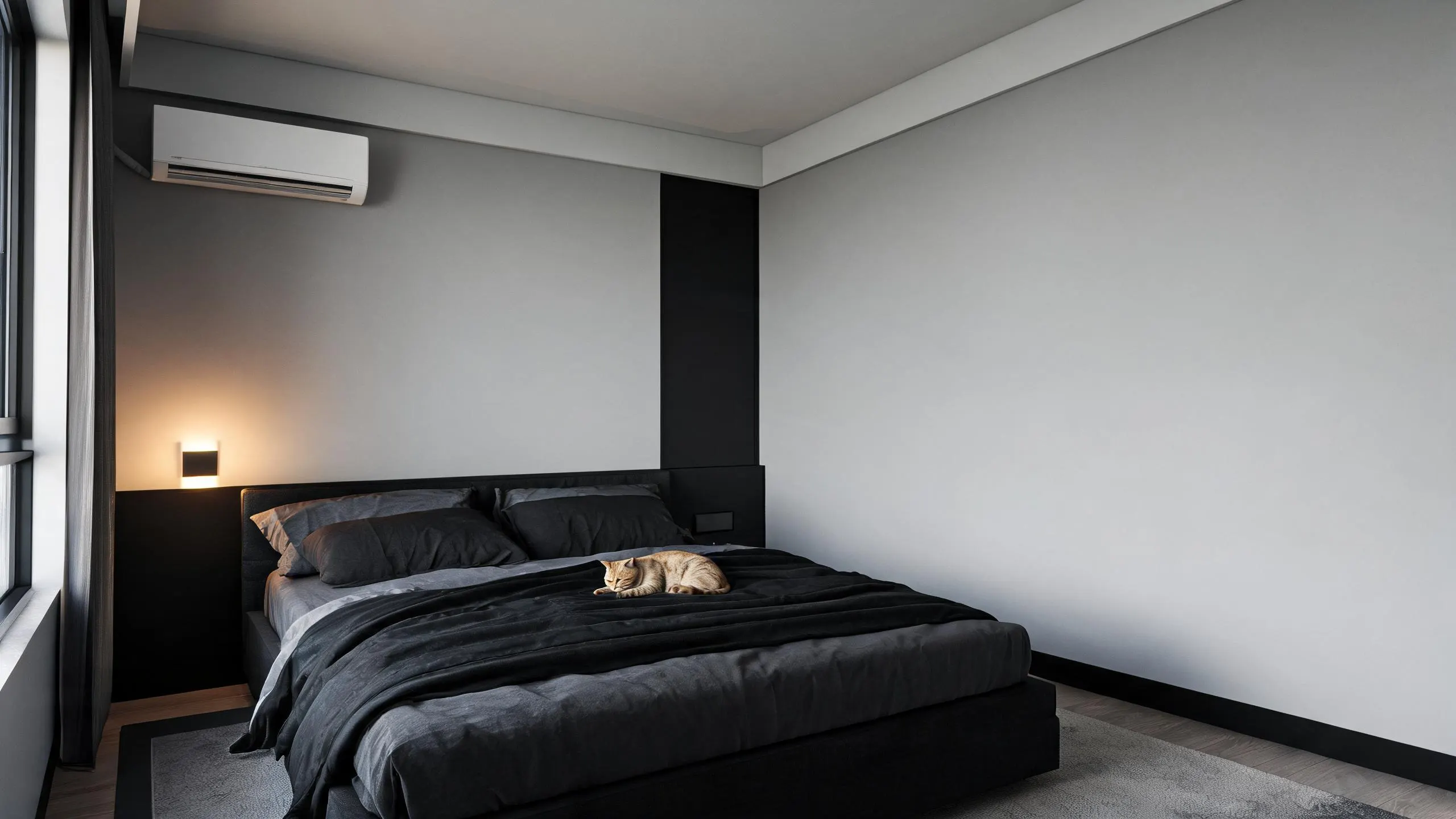
A mini-split in Roseville earns its keep most of the year. Homes here need heat from October through May and cooling through July and August, ten months of the year with the system doing something.
Winter nights average 32°F, right at the point where a heat pump has to work harder to pull warmth from the outside air. Summer afternoons average 84°F on the other end. A unit installed here has to hold up at both ends of that range, not just one. Any mini-split manufactured now has to meet 14.3 SEER2 for cooling and 7.5 HSPF2 for heating, and given how much this one will run, those minimums are worth checking on whatever gets installed.
- 8 months
- October through May, your system heats
- 2 months
- July through August, it cools
- 32°F
- the average winter night it heats against
- 84°F
- the average summer afternoon it cools against
NOAA nClimDiv, 1991–2020 normals
California requires HVAC contractors to hold a state license.
The CSLB tests contractors before issuing that license and keeps a record of who holds one. The license is tied to the contractor, not issued fresh for each job, so the same license covers a mini-split installation as any other job that contractor takes on.
That license is what backs up the work here. Most cities and counties also require a permit for a job like this one, replacing or adding a mini-split, and an inspection once the work is done. The inspection checks the installation itself, not the contractor's standing.
Sources: California Legislative Counsel · Contractors State License Board
- Is a mini split worth it?
- For most homes here, yes, since you're running heat eight months a year and cooling two more. A mini split handles both from one outdoor unit, and because it's ductless, you lose none of that output to duct leaks. Winter lows around 32°F sit well within what a modern heat pump handles, so it can carry your heating load and not just take the edge off. If your home already heats with gas, it's worth asking a contractor whether a mini split makes sense alongside that system or in place of it.
- How many rooms can a mini split cover?
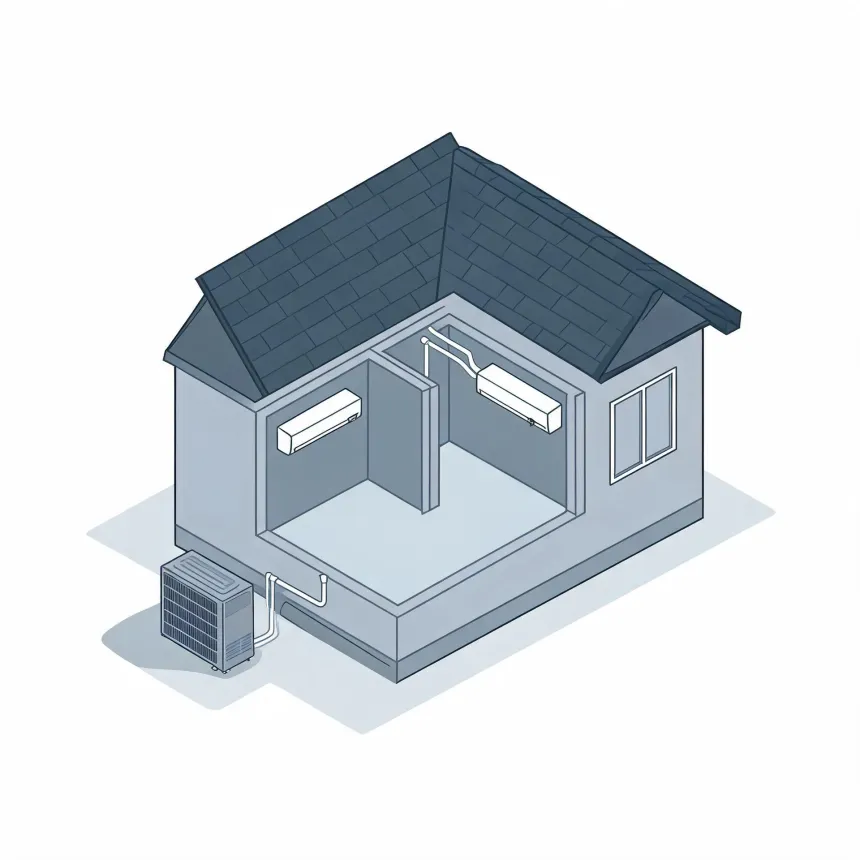
- A single outdoor unit can run one indoor head or several, depending on the system. Single-zone systems cover one room or open area well. Multi-zone systems tie several indoor heads to one outdoor unit, so a home can cover more than one room without adding another outdoor unit for each. How many zones make sense for your house depends on its layout, and a contractor can walk through that with you room by room.
- Can a mini split heat a whole house?
- It can, if enough zones are placed to reach every room, but a single indoor head is only built to heat the space it's in. Whole-house coverage means sizing the number of zones and their placement to your home, not just adding one unit and expecting it to carry rooms down the hall. With winter lows averaging 32°F here, the heat pump itself will keep up through the season. Getting the coverage right is a matter of design, so that's where a contractor's walkthrough matters most.