
AC Repair in Bakersfield, CA
Air conditioners here run from May through September. If yours quits, tell us what it's doing and a licensed contractor who covers Kern County will get in touch.
Tell us about the job
It takes about a minute.
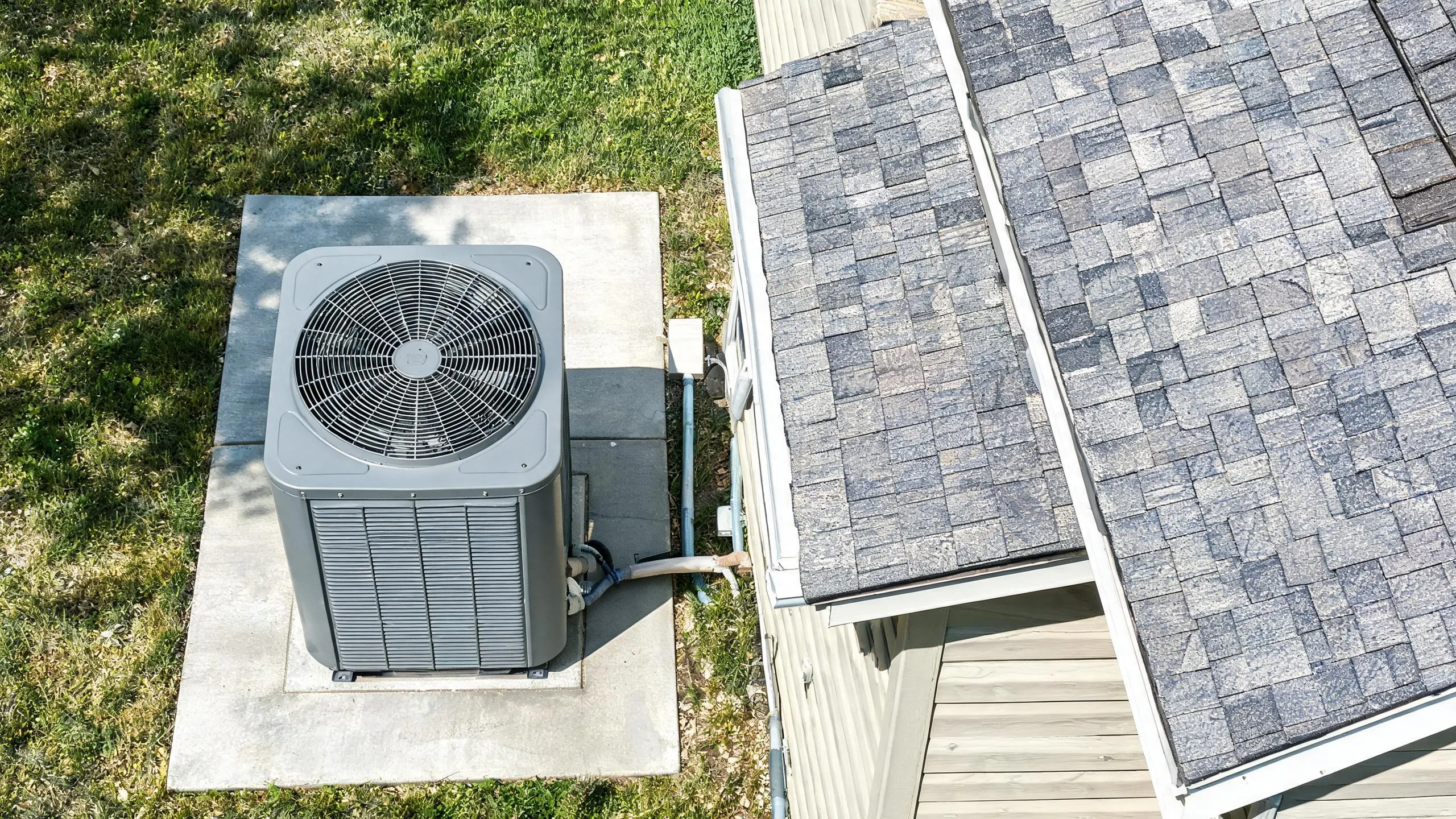
Five months of Bakersfield heat wears on your AC
From May through September your air conditioner is running most days, and summer afternoons here average 93°F. That kind of stretch keeps the compressor working hard for months without much of a break, and it's usually the first part to show its age. When it starts to give out, you'll notice the air isn't as cold as it used to be, or the unit runs longer to get the house to temperature.
Kern County has also logged 711 damaging wind events over the past ten years, along with some hail. An outdoor unit left exposed to that can end up with bent fins or a cabinet that's taken a hit, either of which cuts down on airflow across the coil.
- 5 months
- May through September, your air conditioner is on duty
- 93°F
- the average summer afternoon it cools against
- 8 hail events
- in ten years, and hail bends the fins on outdoor coils
- 711 wind events
- in ten years, and wind drives debris into outdoor units
NOAA nClimDiv, 1991–2020 normals

A new air conditioner would cut about $100 a year off cooling for a typical Kern County home.
Estimates for a typical Kern County home, compared with an older unit built to the previous federal minimum, from EIA household energy data, California fuel prices and NOAA climate normals. Your home will differ.
Repair makes sense when a part like a capacitor or contactor has failed.
Replacement makes sense when the compressor has failed or the system uses R-22 refrigerant, which is no longer made.
California requires HVAC contractors to hold a state license.
The license the contractor holds comes from the Contractors State License Board, and it covers the contractor, not the specific job at your house. The board tested the contractor before issuing it and keeps a record tied to their name, so the license travels with them from one repair to the next rather than being issued fresh for each one.
For a repair like this, opening the refrigerant lines is the part that carries its own separate rule. Any technician working on that side of your air conditioner has to hold EPA Section 608 certification, a federal requirement that applies no matter which state the work is done in.
Sources: California Legislative Counsel · Contractors State License Board
- Why is my AC not blowing cold air?
- Most of the time the filter is clogged and starving the system of airflow, so check that first since it's the easiest fix. If the filter is clean, low refrigerant from a leak is a common cause, and that's not something you can top off yourself, a technician has to find the leak and repair it. A dirty outdoor coil can cause the same symptom, especially after months of running through Bakersfield's long summer, since dirt on the coil keeps the system from releasing heat properly. If the air coming out is barely moving at all rather than just warm, the problem is more likely the blower motor or the ductwork than the cooling itself.
- Why is my AC leaking water?
- The drain line that carries condensation away from your indoor unit is probably clogged, and the water is backing up and finding another way out. Algae and dirt build up in that line over a cooling season and block it, especially after months of steady use. A dirty air filter can also cause this by letting the indoor coil ice over, and when that ice melts it can produce more water than the drain pan and line are built to handle. Either way the fix is clearing or repairing the drain system, not something to leave alone since water damage to the surrounding area gets worse the longer it sits.
- Why won't my AC turn on?
- Start with the thermostat, since dead batteries or a setting bumped off cool will stop the whole system before it even tries to run. If the thermostat looks fine, check your breaker panel, since a tripped breaker will cut power to the outdoor unit specifically. Bakersfield sees frequent wind events, and a power blip during one can trip a breaker without you noticing until the AC won't start back up. If the breaker is fine and the thermostat is calling for cooling but nothing happens, the problem is likely inside the unit itself, in the capacitor or contactor, and that calls for a licensed technician to open it up and check.