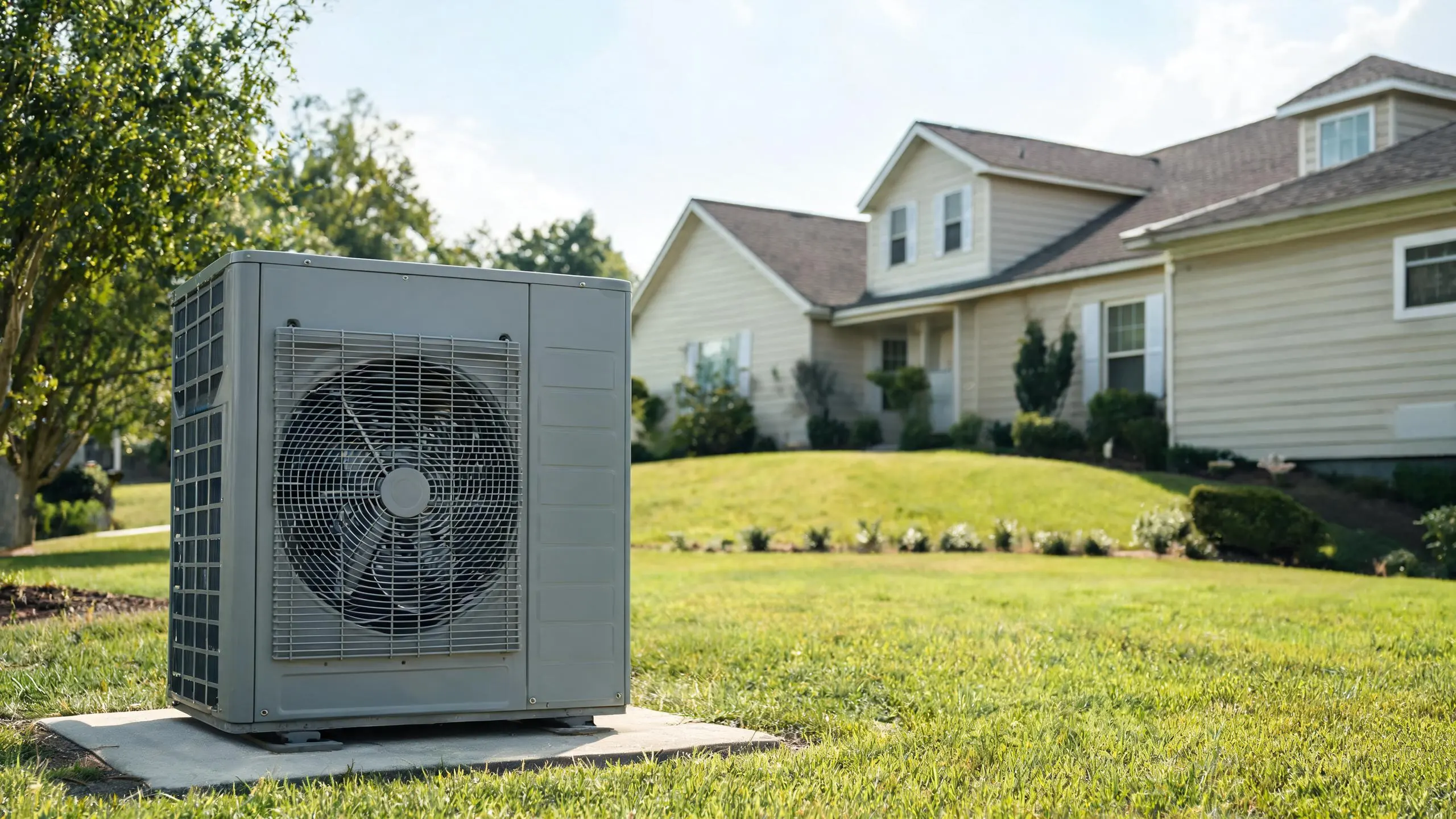
Heat Pump Installation in San Francisco, CA
Tell us about the house, and a licensed contractor who covers San Francisco County will get in touch.
Tell us about the job
It takes about a minute.
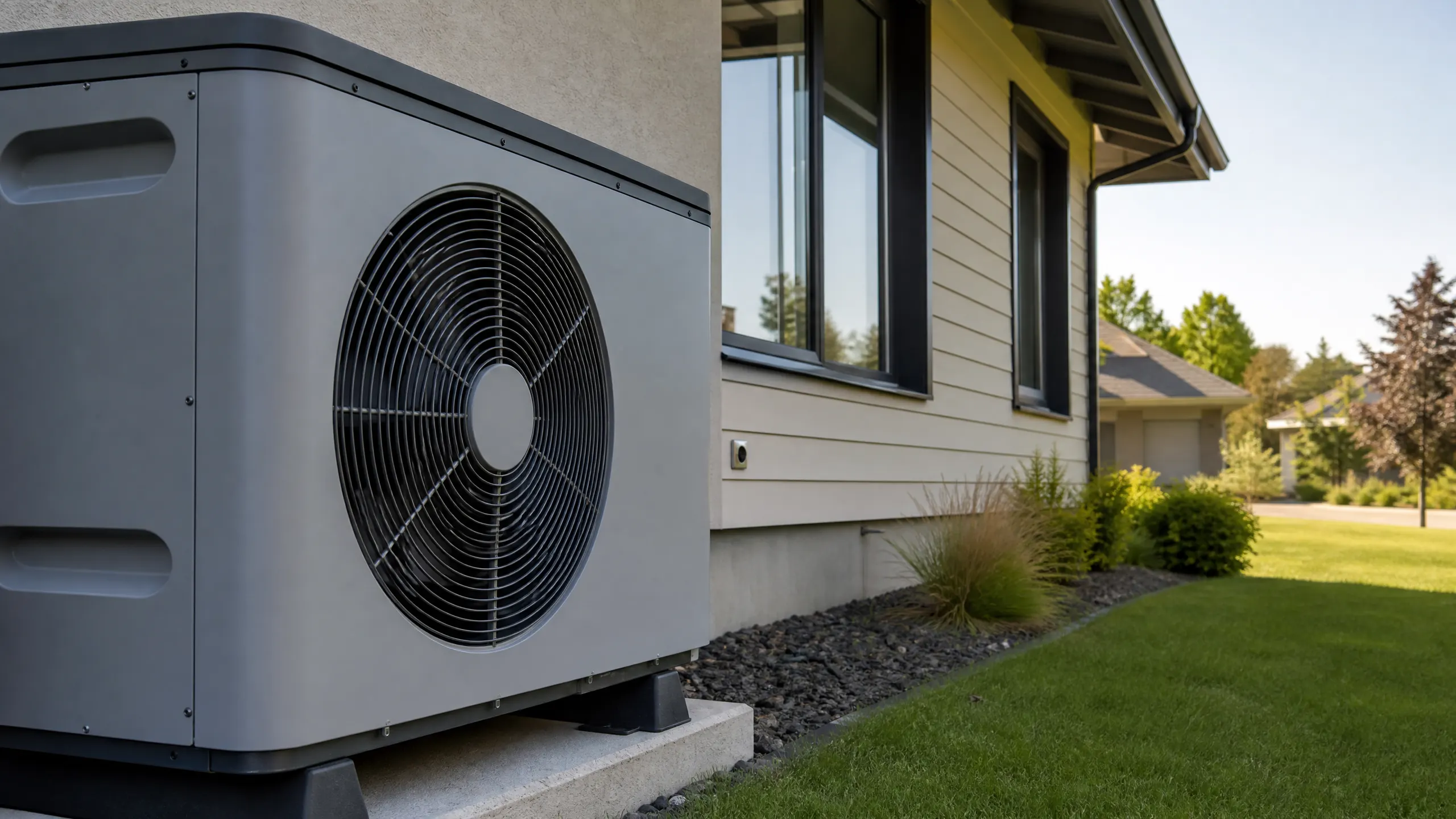
San Francisco asks for heat, not cooling
Your heat pump here works a long, mild season. Winter nights average 45°F from December through February, and homes need heat from November through May, seven months of the year. Summer afternoons only reach about 70°F, so the same system is barely asked to cool at all.
That is a different job than a heat pump does in most of the country. It runs often, but rarely against real cold, and almost never against heat. A new split-system heat pump has to meet a federal minimum of 14.3 SEER2 for cooling and 7.5 HSPF2 for heating, and in this climate the heating side is what actually gets used month after month.
- 7 months
- November through May, your system heats
- 45°F
- the average winter night it heats against
- 70°F
- the average summer afternoon it cools against
California requires HVAC contractors to hold a state license.
The license sits with the contractor, not the job. CSLB tests and records the person or company, then that license covers whatever HVAC work they take on, including a heat pump installation on your property.
For this job, that license is what stands behind the contractor's work, but it is not the only check. A heat pump installation in most cities and counties still needs a permit from the local building office, with an inspection once the work is done.
Sources: California Legislative Counsel · Contractors State License Board
- Is a heat pump better than a furnace?
- For San Francisco, yes, for most homes. A heat pump handles both heating and cooling from one system, and winter lows here average 45°F, which is mild enough that a heat pump can carry the heating load without much strain. A gas furnace only heats, so a home that wants cooling too would still need a separate air conditioner. A contractor can look at your specific setup and tell you whether a heat pump fits it.
- What's the difference between a heat pump and an air conditioner?
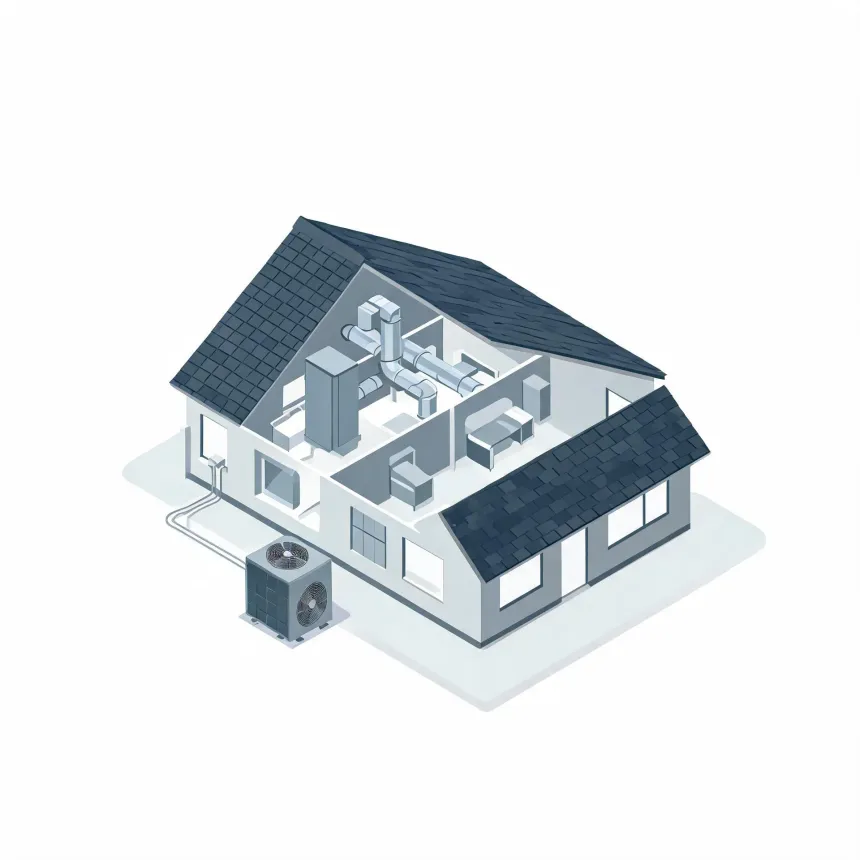
- An air conditioner only removes heat from your home and sends it outside. A heat pump does the same thing in summer, but it can also run in reverse and pull heat from the outside air into your home in winter. Mechanically they use the same compressor and refrigerant cycle. The difference is the reversing valve that lets a heat pump switch directions, which a standard air conditioner does not have.
- Does a heat pump work in cold weather?
- Yes. A heat pump pulls heat out of outdoor air even when that air feels cold, and it keeps working well below freezing. San Francisco winter nights average 45°F, mild compared to the temperatures where heat pump capacity really starts to drop, so a properly sized system here should keep up through the coldest nights.