Side profile of a bearded man wearing a dark faded baseball cap and a dark gray t-shirt against a plain light background.

Is duct cleaning worth it in Los Angeles, CA

Duct and vent cleaningDucts or ventsLos Angeles County, CA
Step 1 of 2

What ZIP code is the job in?

Is duct cleaning worth it in Los Angeles?

You keep a clean house and you still wonder if the ductwork is hiding something. Maybe it's been years since anyone looked inside those vents, or you noticed dust coming back fast after cleaning. In Los Angeles you're not dealing with furnace soot building up all winter, so it's fair to ask whether duct cleaning actually does anything here, or whether it's money spent on a problem you don't really have.

Usually not, unless you have a specific reason to do it

Most homes in Los Angeles don't need duct cleaning on any regular schedule. Dust and debris settle in ducts over time, but in normal use they don't build up enough to affect your air quality or your system's performance. Gas furnaces here run only a few months a year, so there's little of the soot and combustion buildup that pushes other regions toward cleaning. The cases where it's worth doing are specific: visible mold, a rodent problem, construction dust after a remodel, or a musty smell every time the system kicks on. If none of that applies, cleaning the ducts is unlikely to change anything you'd notice.

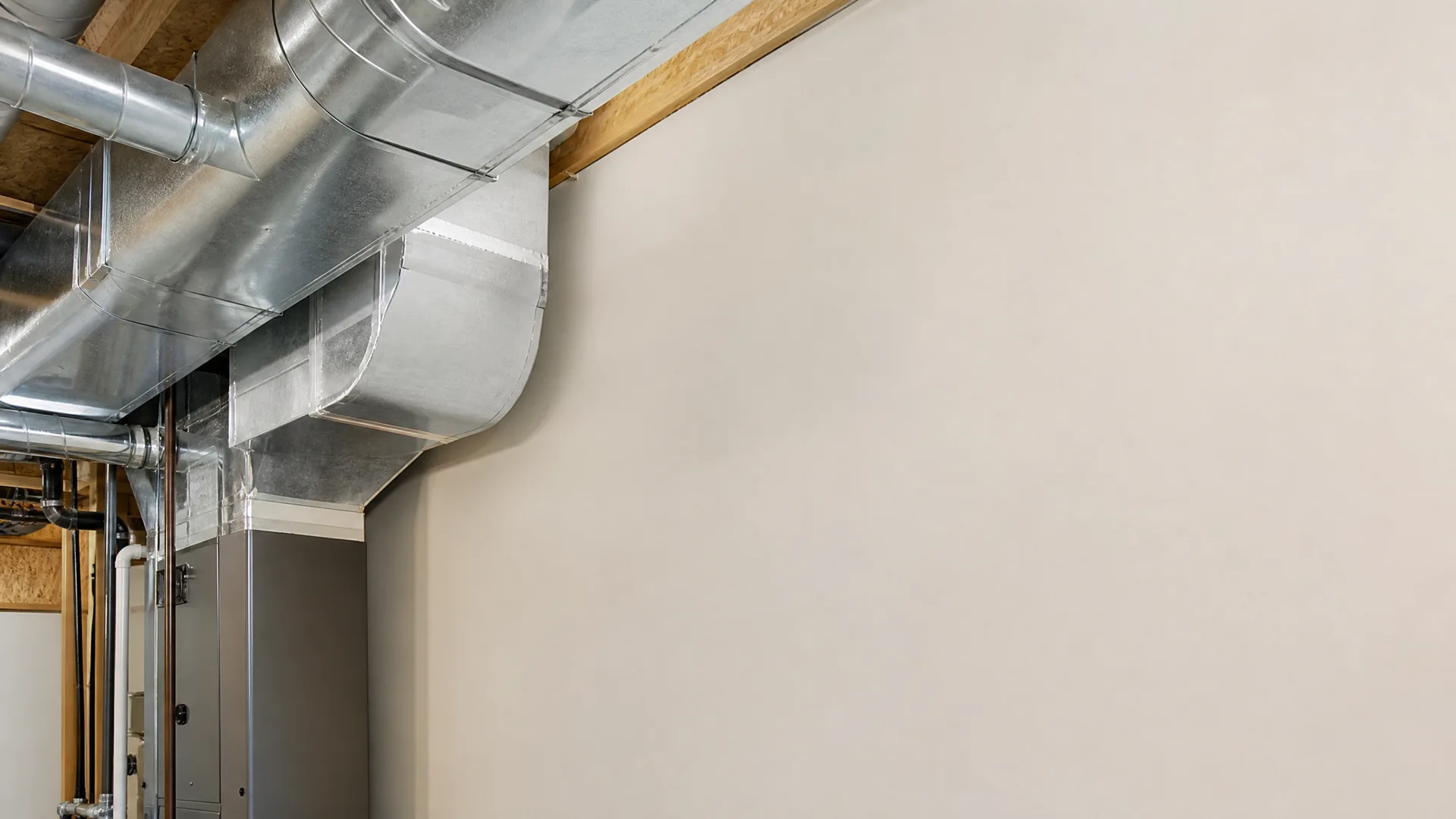
Galvanized sheet-metal ductwork and pipes running along an unfinished basement ceiling beside a plain beige wall, with a gray equipment cabinet below.

What's actually sitting in there

Open a vent cover and you'll usually find dust, pet hair, and in some homes a fine layer of the dry grit that blows in during Santa Ana winds. None of that is dangerous on its own. It becomes a problem when it builds up enough to block airflow at the registers or give mold something to grow on if moisture ever gets into the system. A tech can show you what's there with a camera before any work starts.

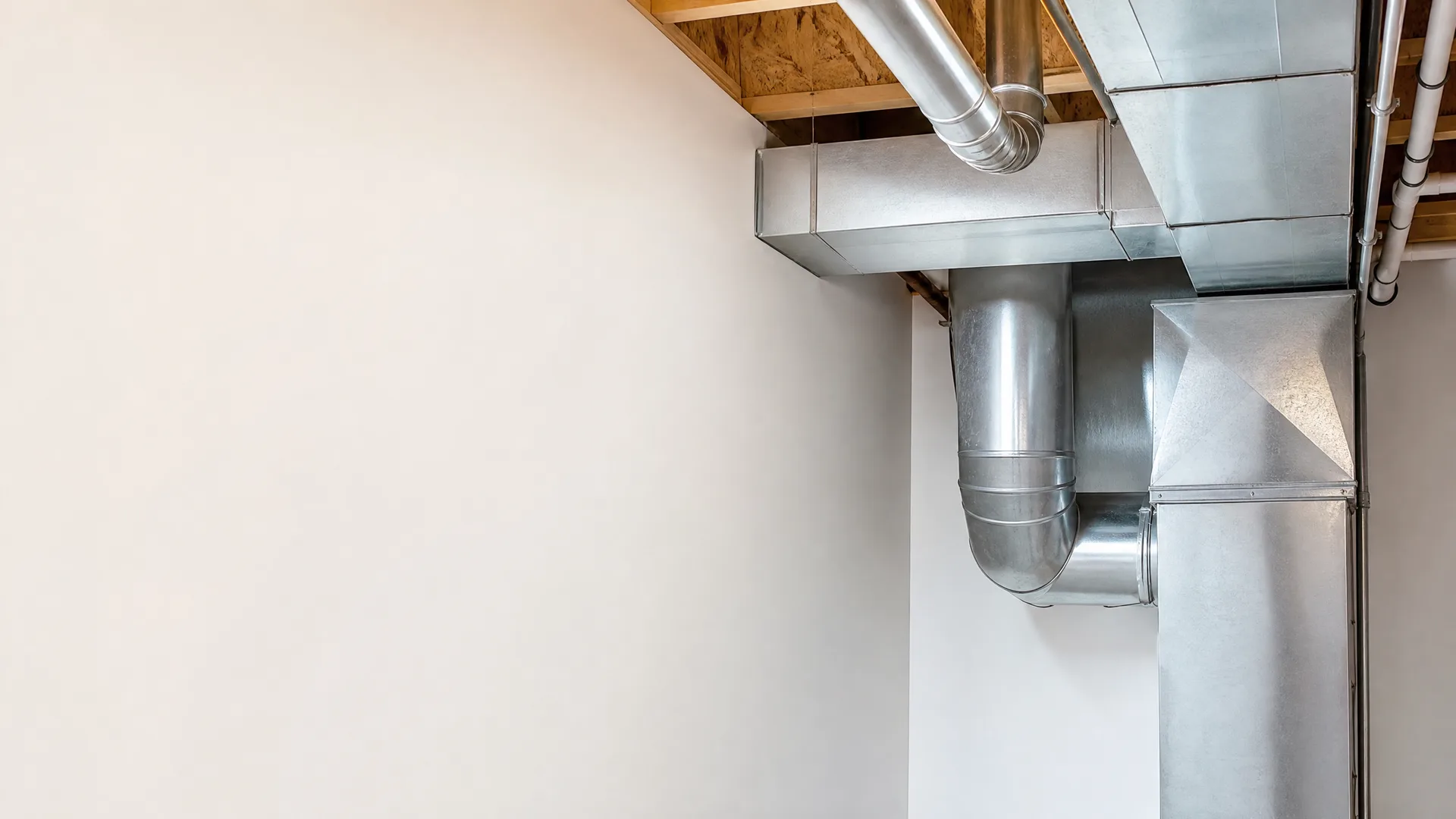
Galvanized sheet metal rectangular and round HVAC ducts running along a ceiling and down a white interior wall, with exposed wood joists and subfloor above.

Why cleaning alone won't fix everything

Ducts carry air, they don't filter it. If dust keeps coming back fast after a cleaning, the filter is the more likely place to look first, along with any gaps where the ducts connect to the vents or the furnace cabinet. A sealed, well-fitted duct run stays cleaner longer than one with loose joints pulling in attic or crawlspace air every time the system runs.

How old are these ducts, and how hard do they work?

  • Half the homes here were built by 1965

    Half the homes in Los Angeles County were built in 1965 or earlier. If yours is one of them, the ductwork may never have been cleaned, or cleaned once decades ago.

  • Heat runs November through April

    Heat runs November through April here, about six months. That's six months of air moving through the same ducts, stirring up whatever has settled in them.

  • Cooling runs June through September

    Cooling runs June through September, another four months of airflow. Between heat and cooling, the air in your house passes through those ducts most of the year.

ACS 2020-2024 · NOAA nClimDiv 1991-2020

When cleaning them makes sense

If you can see dust falling out of a vent when the air kicks on, or a room stays dusty no matter how often you wipe it down, that's worth checking. Same if someone in the house has allergies that act up indoors and nobody can figure out why. A home that's been through a remodel, with drywall dust or insulation debris sitting in the ducts, is also a real case for cleaning. So is a system that sat unused for a long stretch, maybe in a house that was vacant or a room that got closed off for years.
When it's probably not needed

If your air smells fine, your filter doesn't clog fast, and nobody is coughing or sneezing more indoors than out, the ducts are likely doing their job. A newer system in a house that's been lived in and maintained normally doesn't build up much inside the ductwork itself, even with all the dust that blows around Los Angeles. Cleaning won't fix a musty smell coming from a leaky duct in the attic, or allergies caused by something inside the house itself, like pets or carpet. In those cases the ducts were never the problem.

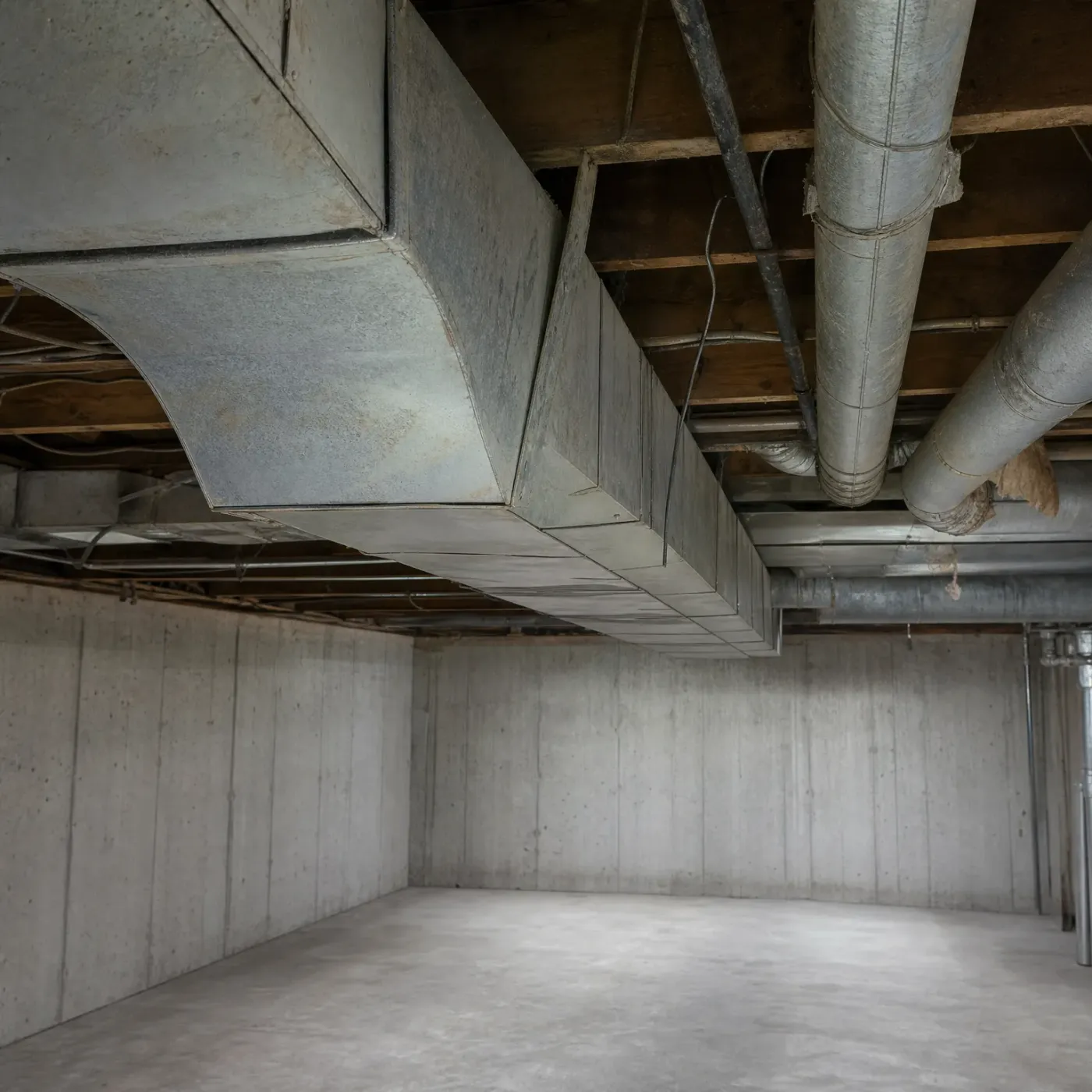
Empty concrete-walled basement with bare floor, showing large galvanized sheet-metal HVAC ducts, insulated pipes, wiring and wooden floor joists overhead.
Before you get your ductwork cleaning
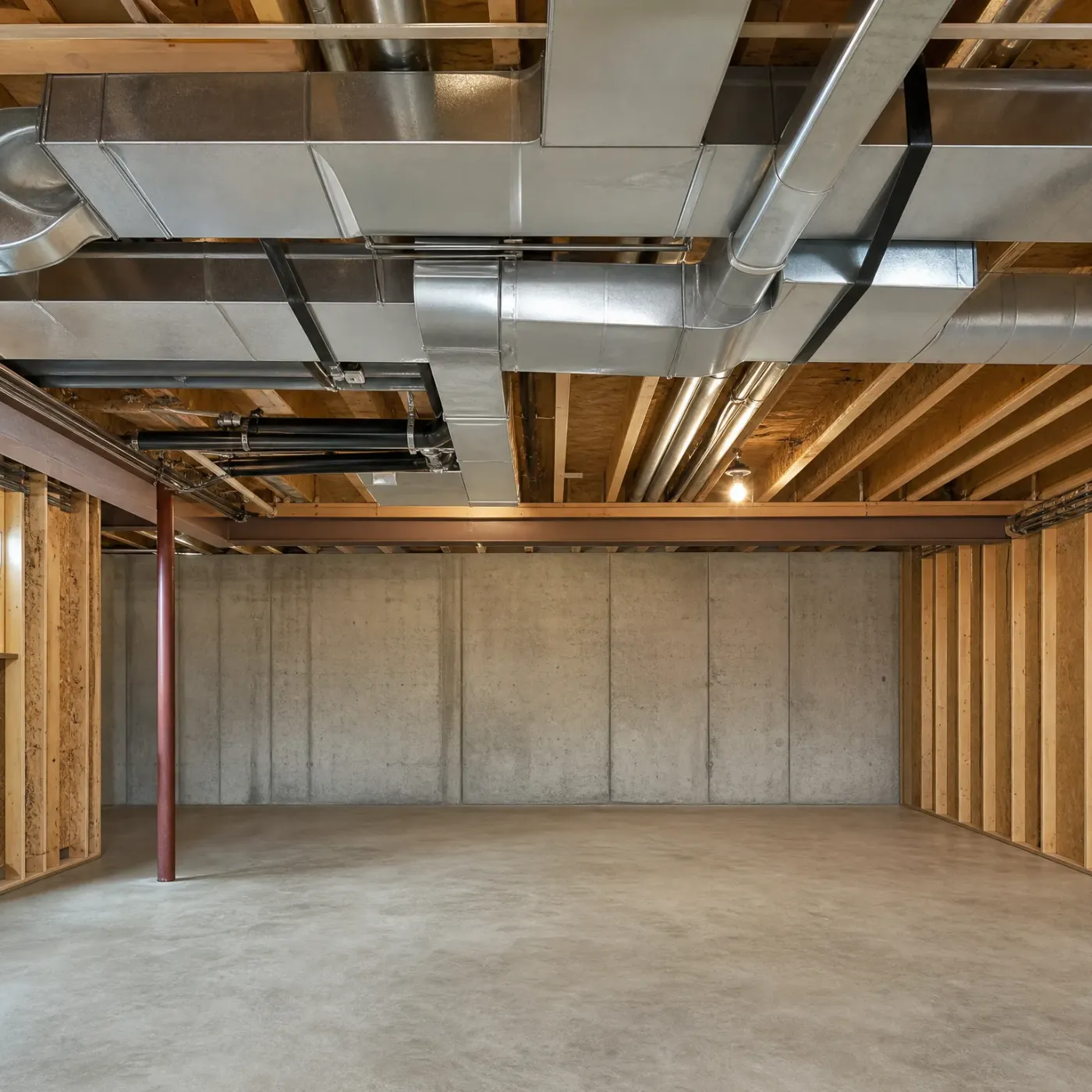
Empty unfinished basement with bare concrete floor and wall, wood-framed stud walls, exposed joists, galvanized HVAC ducts and pipes overhead, a steel beam and red support column, and a single bare bulb light.
After you get your ductwork cleaning

The job starts with a vacuum setup, usually mounted on a truck outside or brought in as a portable unit, that pulls negative pressure through the whole duct system so loosened debris goes into the collection tank instead of your living room. Working from access ports cut near the plenum, a technician knocks debris free inside each run with a brush or a whip of compressed air, then lets the vacuum pull it out. Supply and return get done as two separate passes. Skip that and you've only cleaned half the system. Every register comes off the wall or floor, and the boot behind it gets attention too, since that elbow collects as much dust as the trunk line does. What a standard job does not include is the coil and blower housing inside the air handler itself. If you want those cleaned, say so when you book. The only real proof the ducts are clear afterward is a camera run through them, before and after. Anything less is just trusting that the work got done.

How a duct cleaning actually works

  • A duct cleaning job runs a vacuum collection system off a truck or portable unit, pulling negative pressure through the whole system at once.
  • A technician opens access ports at the plenum and knocks loose debris from the inside of each run with a brush or compressed air whip before it reaches the vacuum.
  • The supply and return sides get cleaned separately, since collapsing them into one pass leaves one side only partly done.
  • Registers come off the wall or floor during the job, and the boot behind each one gets cleaned too, since dust collects there as much as in the main trunk.
  • The coil and blower housing inside the air handler are not part of a standard duct cleaning, so ask directly if those need attention as well.
  • A camera run through the ducts before and after the job is the only way to confirm the inside is actually clear, rather than taking someone's word for it.
A bearded man in a navy t-shirt sits on a beige sofa, laughing while looking toward a laptop screen visible in the lower foreground, with a houseplant, shelves, and a framed picture behind him.
A bearded man in a plaid flannel shirt stands indoors looking out a condensation-covered window at a snowy landscape, with a speckled mug on the sill and kitchen shelves behind him.

Send one request and you're done looking

You've read what's likely sitting in your ducts and what your home's age and running hours mean for them. What you probably don't want is the next part: calling around to find someone who actually does this work, explaining your situation to three or four companies, and trying to sort out who's worth trusting. Send the request once and that part is done. A contractor who handles duct cleaning gets your information and reaches out, and you're not the one making calls or comparing quotes anymore. If dust keeps coming back after you clean, or someone in the house is reacting to something in the air, that's reason enough to find out what's actually going on inside your system instead of guessing. You already know whether your ducts fit the picture above. Handing this off doesn't mean committing to anything. It means you stop carrying it alone.

If your ducts haven't been touched since the house was built, that's decades of dust, pet hair, and dry grit sitting in a system that runs for months at a stretch.

None of it shows up on your power bill or your air filter. It shows up as dust on surfaces you just cleaned, and air moving through a system nobody has looked inside.

Power here costs 29.69 cents per kilowatt-hour

At 29.69 cents per kilowatt-hour, every hour your blower motor spends pushing air through clogged ducts costs more here than almost anywhere else. A system working harder to move air through buildup runs longer to do the same job, and that shows up on the bill before it shows up as a repair.

EIA-861 2025

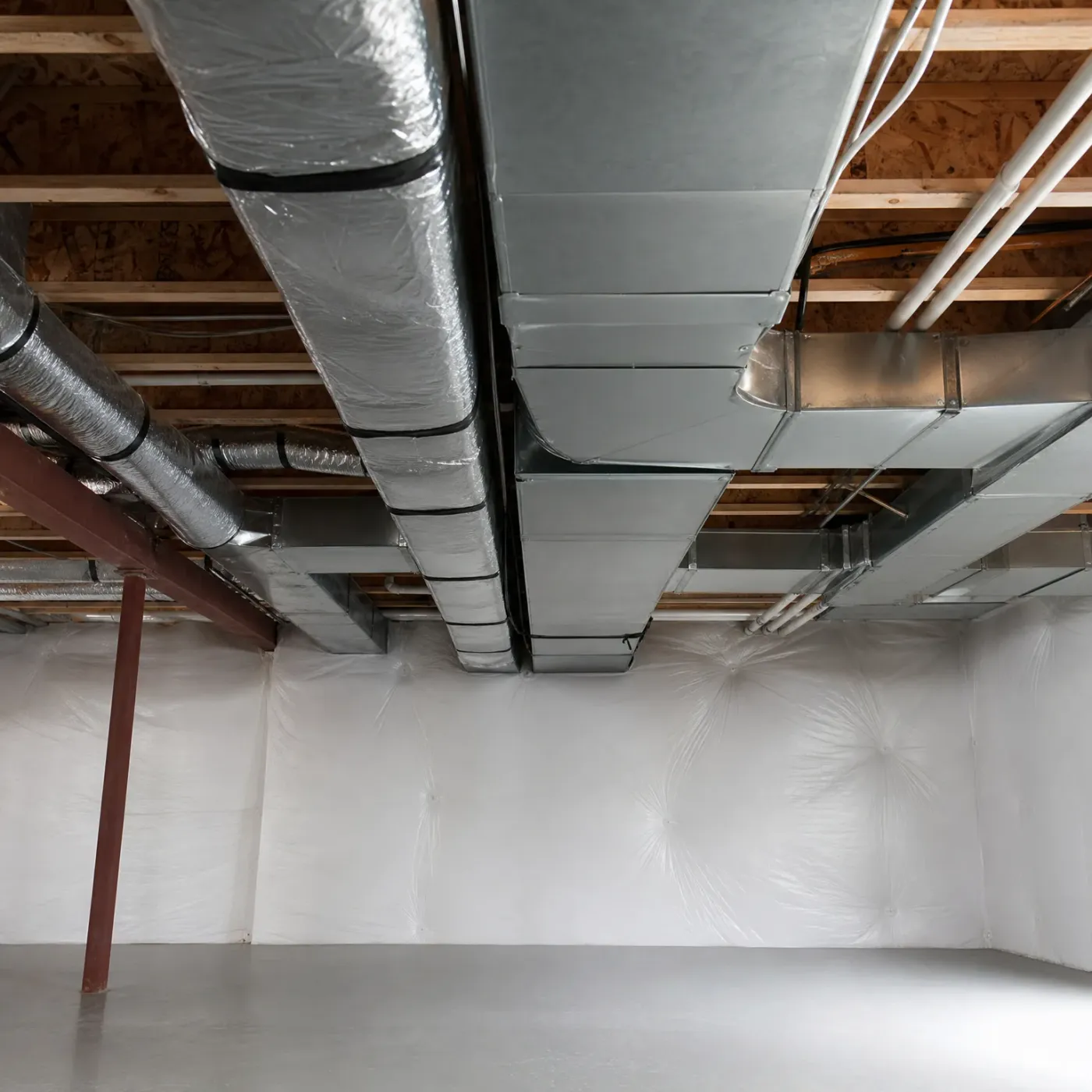
Unfinished basement with exposed wood joists, sheet metal and insulated flexible ductwork, white pipes, a steel support post, plastic-covered walls, and a bare concrete floor.

Ductwork running clean

This is what a duct system looks like when air moves the way it should, metal trunk lines and flex runs feeding each room without resistance. No buildup dragging on the blower, no grit recirculating through the house. The system just moves air.

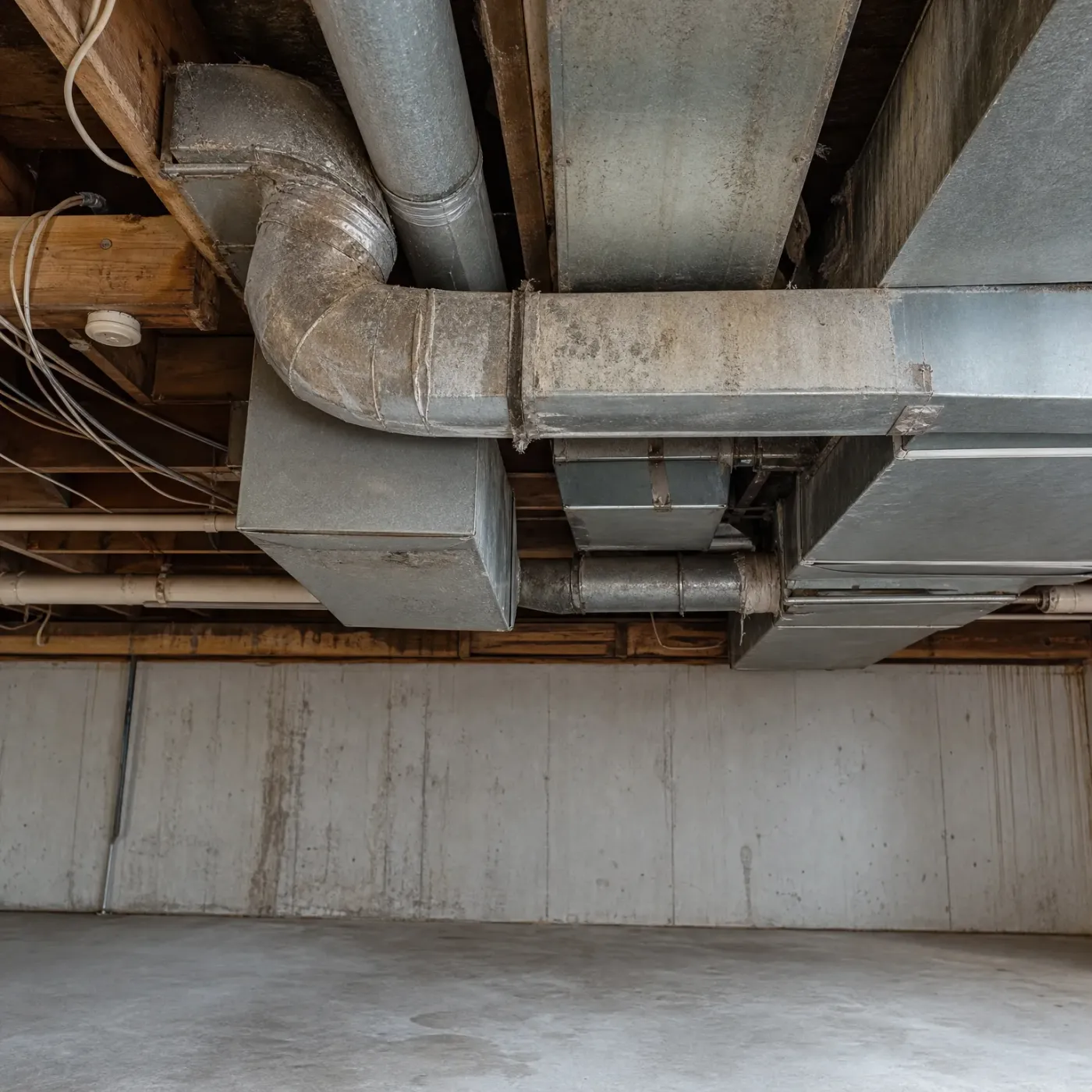
Galvanized sheet-metal ductwork and round pipes run beneath wooden floor joists in a basement with concrete walls and floor.

Ductwork under strain

Same kind of run, but this is where years of dust and grit settle along the metal and collect in the joints and elbows. The blower pushes harder to move the same air through a narrower path, and what's trapped in there works its way back into the rooms.

A smiling man in a green long-sleeve shirt stands at a dark kitchen counter with a ceramic mug, with wood cabinets, white tile backsplash, and a window and dining table behind him.
A smiling man with wavy dark hair and a beard, wearing a navy sweater, sits at a kitchen counter with a gray mug, with a dining table, potted plant and windows behind him.
A bearded man in a dark green sweater smiles and looks to his right while seated at a white kitchen counter with a gray mug, with windows and greenery behind him.
A smiling man in a dark navy sweater stands in a home interior beside a counter with a white mug, with a kitchen, hallway and potted plant in the background.

Where that leaves you

  • A dusty vent or a room that won't stay clean is reason enough to have the ducts checked, not proof they need cleaning.
  • Homes built in 1965 or earlier are the ones most likely to have ductwork that was never cleaned at all.
  • Clean ducts don't change your power bill directly, but a blower working against buildup runs longer and costs more at 29.69 cents per kilowatt-hour.
  • The dust and grit sitting in uncleaned ducts shows up on surfaces and in allergy symptoms, not on any gauge or filter.
  • Finding out whether your ducts need attention means a look inside, not a guess from how the house looks.

There's no single sign that settles it. A dusty vent, a room that won't stay clean, an older house that's never had the ducts touched, these point the same direction without proving anything on their own. What they add up to is a reason to look, not a verdict. The only way to know what's actually sitting in your ducts is to have someone open an access port and check, the same way a technician would before running a vacuum collection system through the whole house.

None of this shows up where you'd expect. It won't move your power bill in an obvious way, though a blower pushing air through buildup runs longer than it should at 29.69 cents per kilowatt-hour. It won't show up on your filter either. What it does show up as is dust that comes back fast after you've already cleaned, or allergy symptoms that don't make sense for a house you keep up well. If your ducts date back to when the house was built, and especially if that's 1965 or earlier, there's a real chance nobody has ever looked inside them.

Finding that out doesn't mean committing to anything. It means getting a straight answer about what's in your ducts right now, instead of guessing from the outside. That's a different question than whether to clean them, and it's the one worth answering first.

A dark wood cabinet with a paneled door and a ceramic pot of green foliage on top stands in a beige-walled room with white baseboard, a window at left, hardwood floor, and a patterned area rug.
A dark wood glass-front cabinet holding folded towels, woven baskets and a ceramic vase stands in a bathroom corner beside a window, with a potted fern and stacked towels on top and a freestanding tub partly visible at left.
A woven basket holding a green cushion and a cream fringed knit throw sits on a wood floor in a room corner beside a window and a dark wooden cabinet.
Corner of a room with a dark wood cabinet topped by a round vase, a linen curtain at a window, white baseboard, oak plank flooring with sunlight patches, and a woven jute rug in the foreground.
A dark wood sideboard against a pale wall holds a shallow stone bowl and a round ceramic vase with leafy branches, with sunlight from a curtained window falling across the wall, wood floor and woven rug.

Finding a pro stops being your job

Answer a few questions about the duct cleaning and skip the search.

Skip calling around

Sending the form costs nothing.