Two to three cycles to dry a load
That's the dryer fighting a blocked vent, not a weak one. Every extra cycle adds to your power bill, and L.A. power rates make that add up fast.
A dryer that takes two or three cycles to get clothes dry, or that leaves them hot to the touch at the end of a cycle, is telling you the vent is clogged. Lint builds up inside the duct over time and blocks the airflow the dryer needs to push hot, damp air outside. You might also notice the room getting warmer than usual while it runs, a burning smell, or the outside vent hood barely moving when you hold your hand near it. Check that hood: if the flap stays mostly shut while the dryer is running, air isn't getting through. In Los Angeles, where many dryers run gas, a blocked vent also means exhaust has a harder time venting out, which is worth taking seriously rather than waiting on. Left alone, the lint keeps building, the dryer works harder, and the risk of overheating inside the duct goes up.


Behind the obvious signs, the vent itself tells you what's going on if you know where to look. Lint moves with the air until the air slows down, then it settles. That happens first at bends, so a run that climbs into an attic or doubles back around a water heater, which describes a lot of houses in the area, gives lint more places to stop than a short straight shot to the outside wall. The hood at the end of the vent has a flap that's supposed to swing open under pressure from the airflow. Watch it while the dryer runs. If it opens wide, air is getting through. If it barely lifts or stays shut, something between the dryer and the hood is blocking it. The thermal fuse inside the dryer is a safety part, built to cut power when airflow drops too low for too long. A dryer that stops partway through a cycle and won't start again isn't necessarily broken. It may just be doing what it's supposed to do when it can't push air through.


2.81 people per household on average
A household of 2.81 people here runs the dryer most days, and every load pushes more lint through the duct toward a clog.
Half the homes here were built by 1965
Half the homes in the county went up in 1965 or earlier, and an older vent run often means more bends and a longer path for lint to catch on.
Power here costs 29.69 cents per kilowatt-hour
Power here runs 29.69 cents per kilowatt-hour, so a clogged vent that forces the dryer to run extra cycles costs more here than most places.
ACS 2020-2024 · EIA-861 2025
The screen in the door catches most lint, but not all of it. What gets past it rides the airflow down the duct and sticks to the first bend it meets. Over months that patch builds up and narrows the passage, so the dryer has to work harder to push air through what's left. You won't see this happening. The only signs are the ones the dryer gives you: longer dry times, a vent hood outside that barely flutters when the dryer runs, or a laundry room that feels warmer than it should by the end of a cycle.
A dryer is built to vent hot, damp air out as fast as it makes it. When the duct is clogged, that air has nowhere to go, so it backs up into the drum and the cabinet. The motor and heating element keep running against that resistance, which is why a blocked vent shows up as heat you can feel on the outside of the machine. Left long enough, the lint trapped in the duct is also the fuel for most dryer fires, which is why this is worth checking even when the dryer still seems to work.




That's the dryer fighting a blocked vent, not a weak one. Every extra cycle adds to your power bill, and L.A. power rates make that add up fast.
Lint sitting that close to the duct wall is fuel next to a heat source. A clogged vent is the leading cause of home dryer fires.
Close to three people under your roof means the dryer runs most days of the week, not once or twice. Every one of those loads pushes lint toward the same bends in the vent, so the clog builds faster than it would in a house running the dryer less often.
ACS 2020-2024
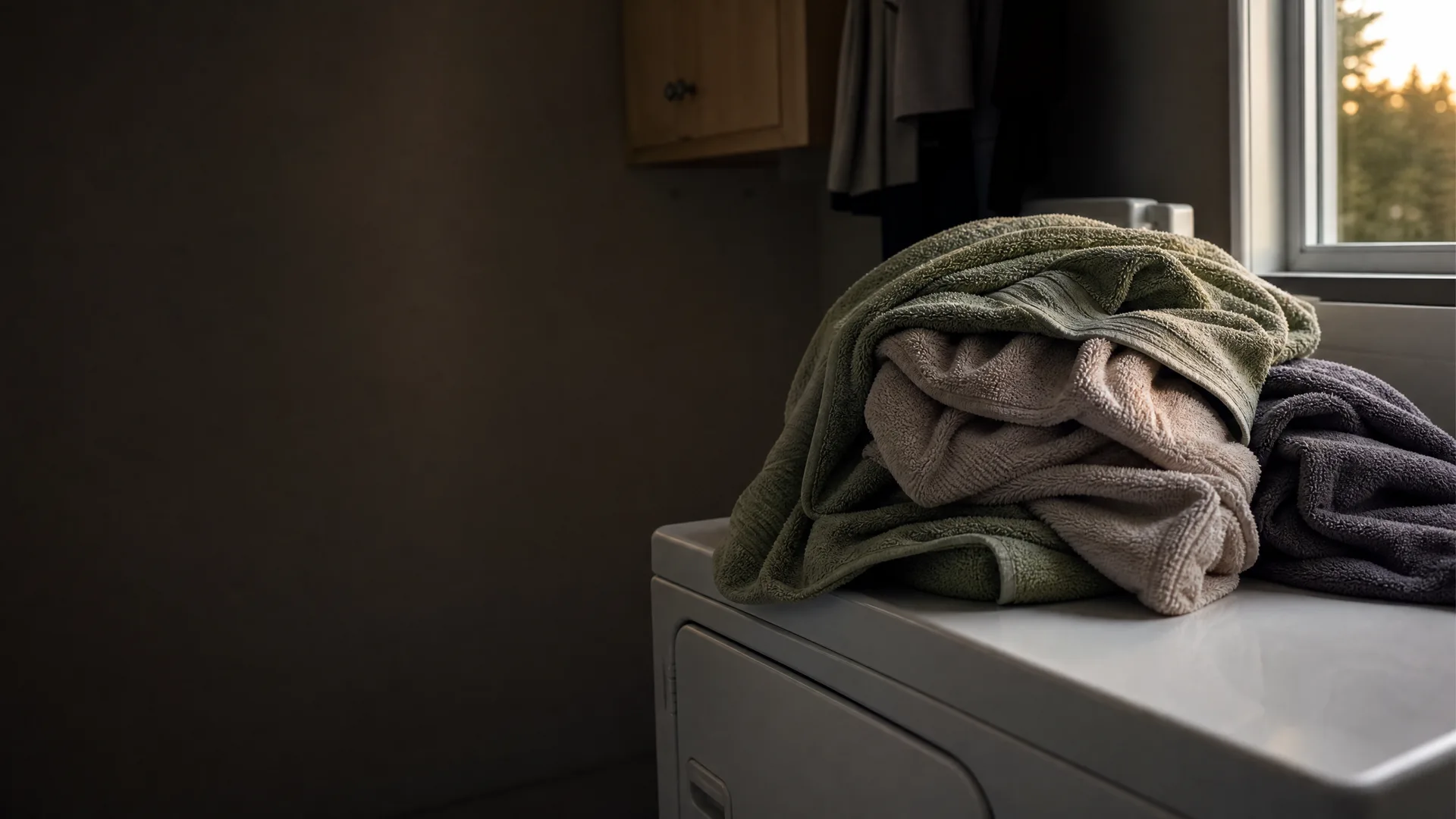
It's almost nine and you still have a load to deal with. You pull the towels out and they're warm but not dry, heavy in your arms, smelling faintly of hot lint instead of clean. The dryer ticks as it cools behind you. You drape a couple over the open door and stack the rest on top of the machine, telling yourself you'll run them again after dinner. Down the hall the kids' lights are still on. You've got maybe twenty minutes before you need to deal with the rest of the evening, and a basket of half-dry towels waiting on the dryer is not how you wanted to spend them.
You've read enough by now to know this isn't a dryer that needs replacing, it's a vent that needs clearing. Finding someone for that means calling around to companies that mostly do ducts or carpets and treat vent cleaning as an afterthought, explaining the same thing about warm, damp towels three or four times, then sorting quotes that are hard to compare because you're not sure what each one actually covers. A contractor working in Los Angeles County sees this same vent run, through the attic, around the water heater, often enough to know where the lint is sitting before they look. That's one contractor who does this work regularly, not a list of names to vet yourself. The load that's still damp at nine o'clock tonight is the last one that should have to be.
Each load pushes hot, damp air against a blockage instead of out through the hood. The motor and heating element work the full cycle every time, then work it again when clothes come out damp. Lint sitting against that heat is how dryer fires start, and the duct is drawing more power each month to do less drying.

Air moves straight through the duct and out the hood in one pass. A load that used to take two or three cycles finishes in one, and clothes come out dry instead of hot and heavy. The motor isn't pushing against anything, so it draws less power to do the same job, which matters with what electricity costs in L.A.
You've noticed the top of the dryer feels hot, or the whole laundry area does by the end of a cycle. Clothes come out warm instead of dry. You might catch a burnt smell when it's running, or notice the vent hood outside barely moves when you hold your hand near it, where it used to push a steady stream of air. Lint turns up around the door seal more than it used to, or on the floor nearby. None of this means the dryer itself is failing. It means air isn't getting through the vent the way it should, and a dryer that can't exhaust properly is working harder every load, pushing the heating element and motor past what they're built to run at. Left alone, that's wear on the machine and warm, lint-laden air with nowhere to go.

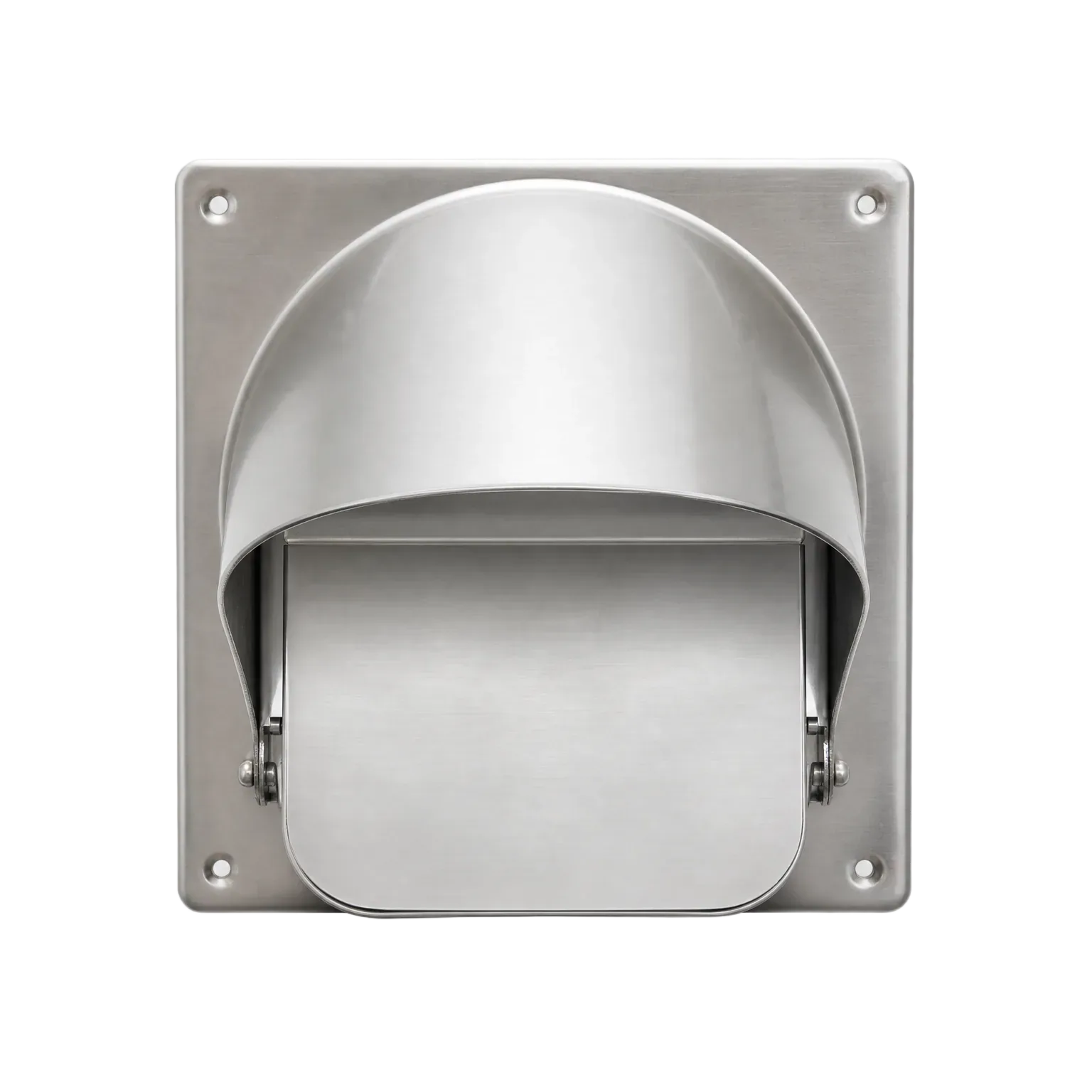
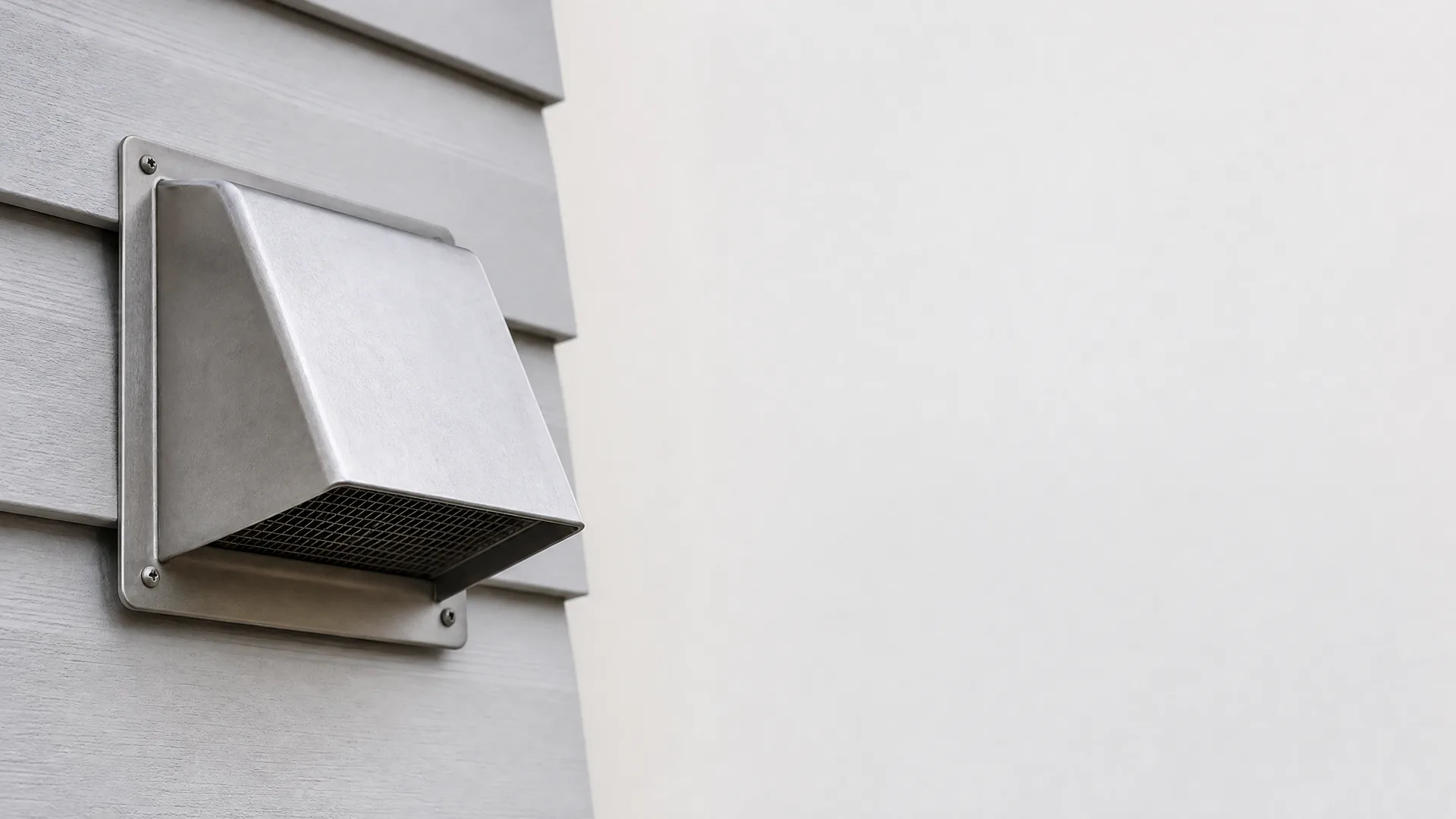
A clear vent hood sits flush against the siding with the flap able to swing open. Warm, damp air pushes it open every cycle and it falls shut after, which keeps bugs and rain out between loads.

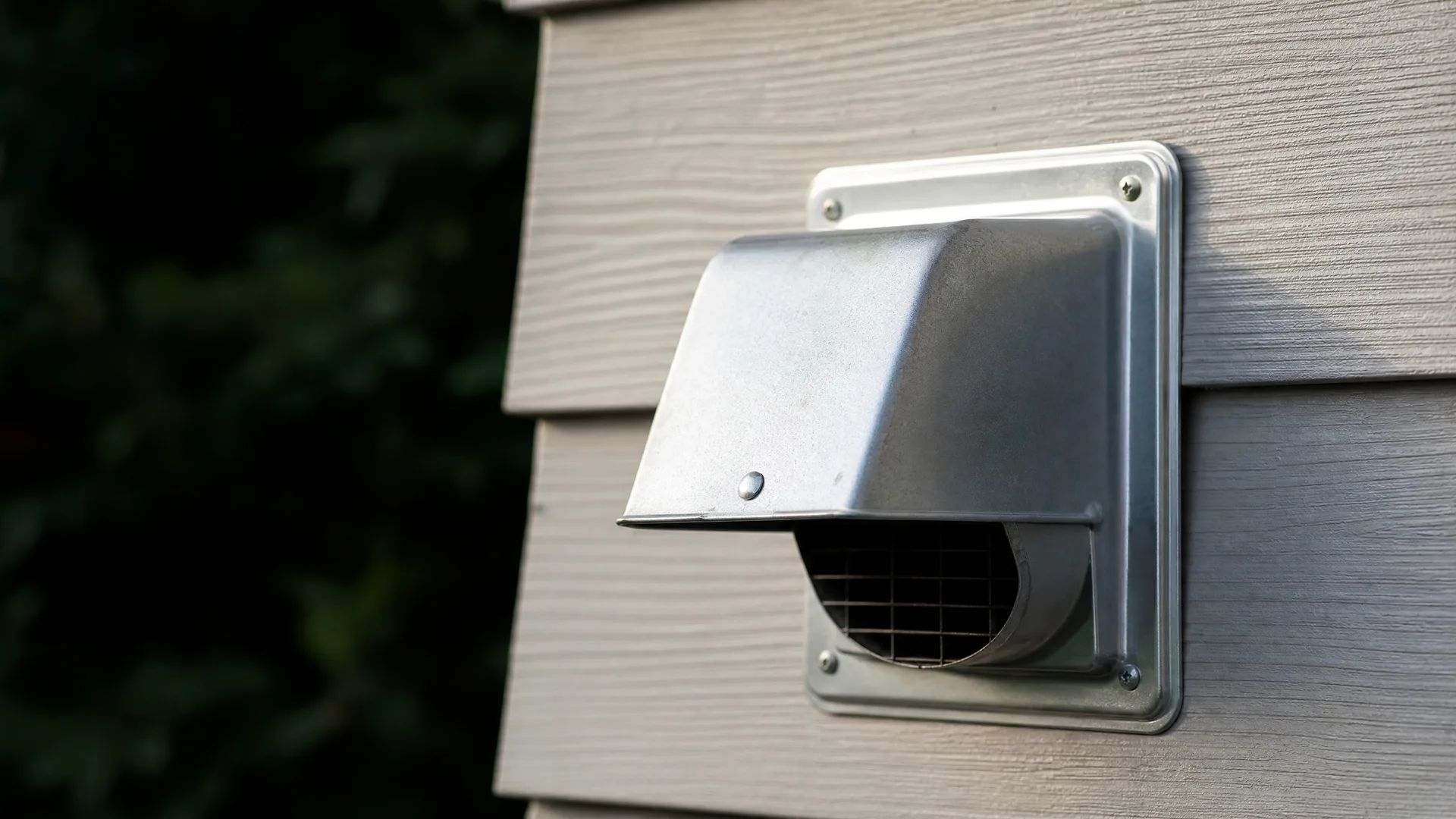
Lint has built up around the flap until it can't sit closed or open all the way. Air from the dryer has nowhere to go but back the way it came, and lint sitting against the siding like this holds moisture against the wall.

Hot clothes at the end of a cycle, a burnt smell, a vent hood flap that won't swing open. Any one of those means lint has built up somewhere in the duct, and the dryer is pushing against it every time you run a load. That's the answer. The fix is clearing the duct, not replacing the dryer.
Once you know that, the next step is finding someone who actually works on vents, not a duct or carpet company that handles this as a side job. That usually means calling around, explaining the same thing to each one, and waiting on a few quotes before you know who to pick. A contractor local to Los Angeles County who clears these vents every week already knows where the lint sits in houses built the way yours likely was, and you're dealing with one call instead of several.

No calling every shop in Los Angeles County