
2,900+ home fires a year
That's the national count tied to dryers, and most trace back to lint buildup. A clogged vent is the common thread, not the exception.
Get matched with a pro who works on dryer vents in San Diego County.
Connect with a proYes. Lint is the fuel, and a clogged vent is what lets it build up around the heating element until it catches. Every load you dry pushes out lint, and most of it is meant to collect in the trap, but some always rides past it into the vent line. Over time that lint packs into the duct, and the dryer has to push hot air through a tighter and tighter space to get your clothes dry. That trapped heat has nowhere to go. A dryer that runs hotter and longer than it should, or where clothes come out still damp after a full cycle, is one working against a blocked vent. Gas dryers add another layer to this, since a blocked vent can also push combustion exhaust back into your home instead of outside. The risk is real in any house with a dryer, and it grows every month the vent goes without a cleaning.
2.72 people per household on average
With 2.72 people in the average San Diego County home, that's a lot of laundry loads a week, and every one of them pushes lint toward the vent line.
Half the homes here were built by 1980
Half the homes here were built in 1980 or earlier, which means the vent run could be older galvanized duct that traps lint more easily than smooth modern pipe.
Power here costs 42.22 cents per kilowatt-hour
Power here runs 42.22 cents per kilowatt-hour, and a dryer fighting a clogged vent pulls more electricity to do the same job.
ACS 2020-2024 · EIA-861 2025
Air moves fast out of the dryer and out through the wall. A full load comes out warm but not hot, and you'll feel steady air pushing out at the vent hood outside. The time it takes to dry a load stays about the same load after load. No lint smell around the dryer when it runs. Open the lint trap and the screen is the only place lint has collected, not the duct behind it. Gas dryers in particular rely on that airflow to carry exhaust out of the house, so a clear vent is doing two jobs at once, drying your clothes and venting combustion byproducts outside.
Drying times stretch out, and a load that used to take forty minutes now takes an hour or longer, sometimes with a second cycle just to finish the job. The dryer runs hotter because the heat has nowhere to go, and you may notice the outside of the machine warmer than usual. Little or no airflow at the vent hood outside, even on high heat. A burnt smell, faint or strong, is lint sitting too close to the heating element. Clothes come out hot to the touch after the cycle ends. Any one of these is worth a closer look, and together they mean the vent needs attention before the next load goes in.




That's the national count tied to dryers, and most trace back to lint buildup. A clogged vent is the common thread, not the exception.
That's how often the vent line needs clearing if you use the dryer regularly. Longer gaps give lint more time to pack in around the heating element.
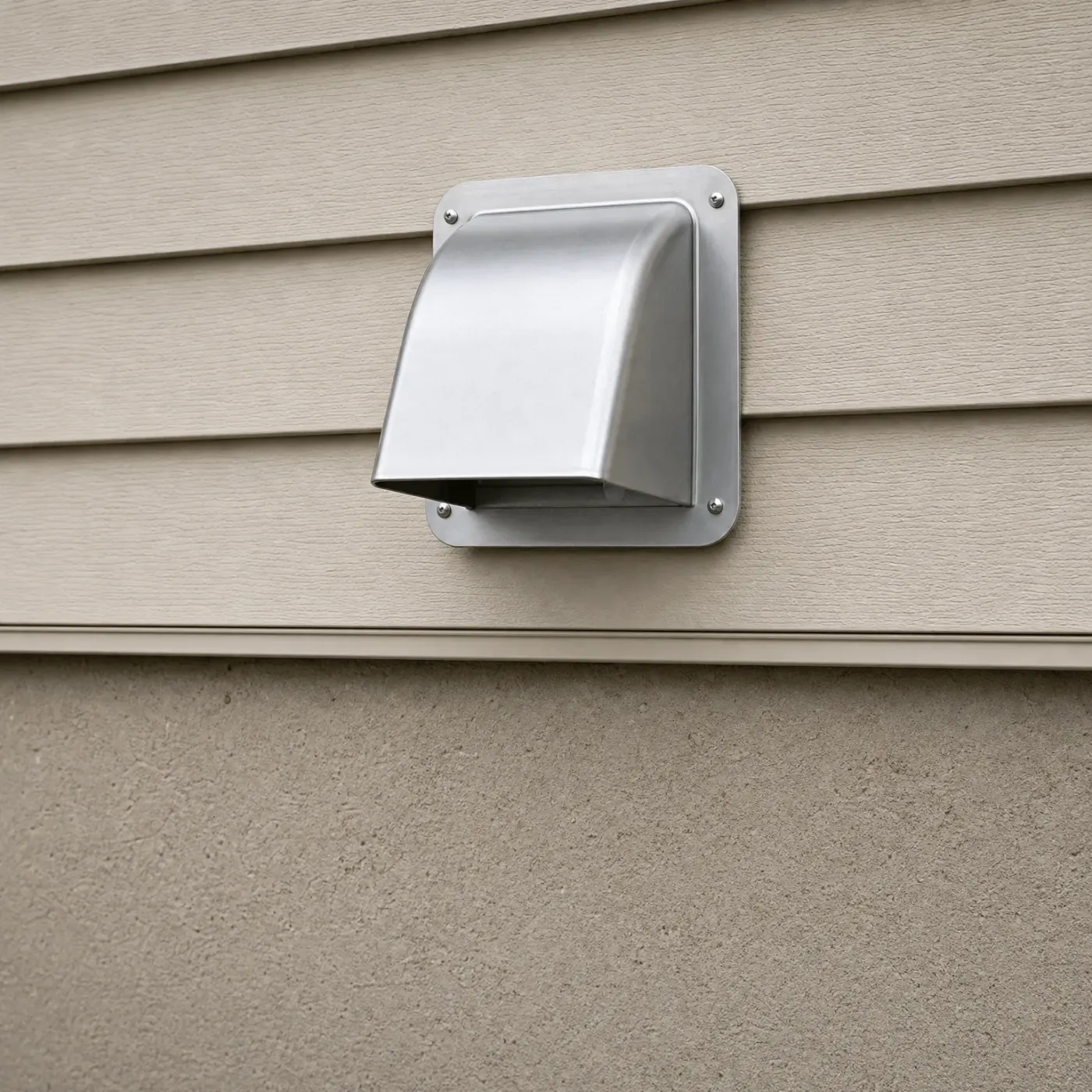
Air pushes straight out through the hood, strong enough to feel against your hand from a few feet away. The flap swings open while the dryer runs and drops shut when it stops. No lint shows on the screws or the siding around it. A load finishes in the same time it did last year.
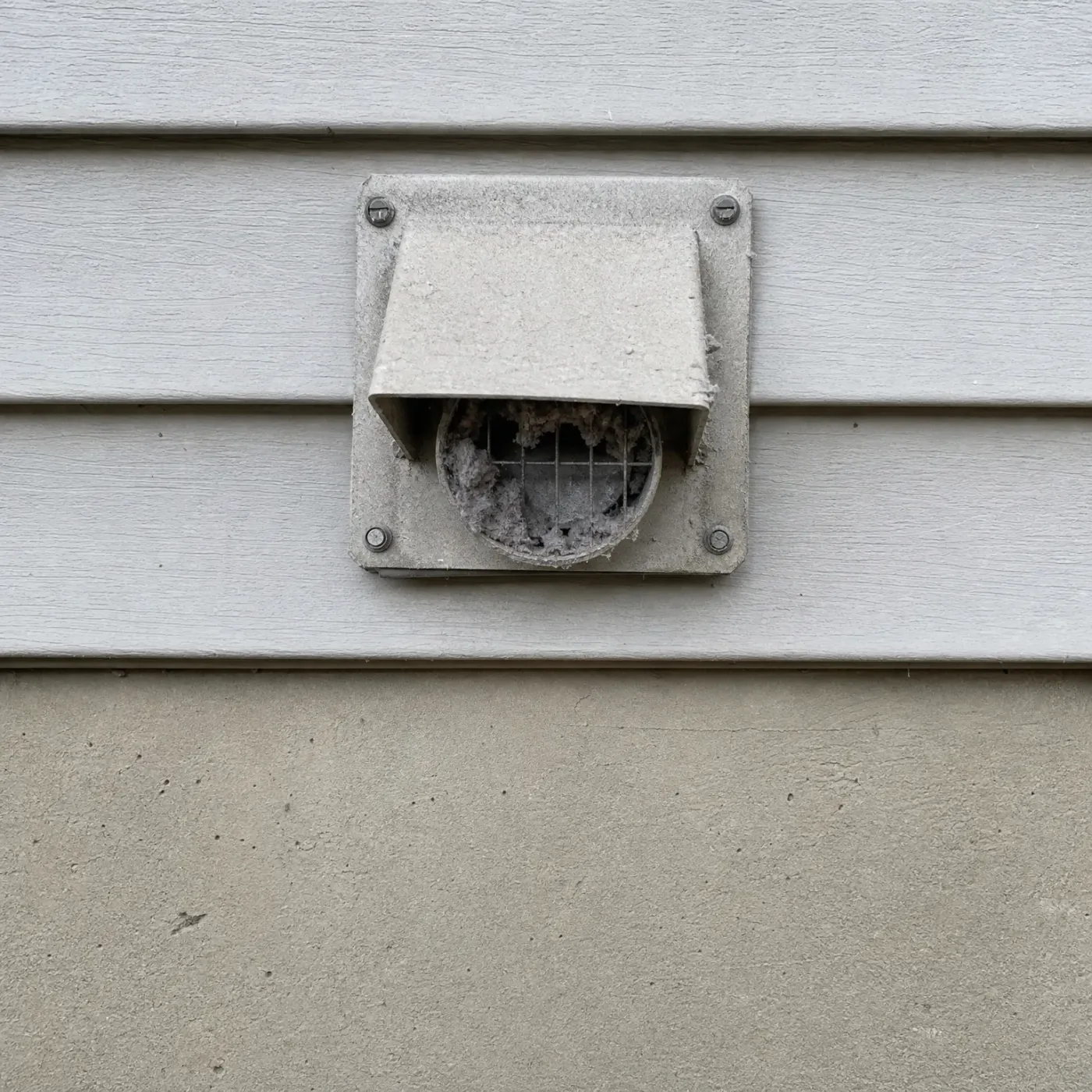
The mesh is matted over with lint, so what little air gets out barely moves the flap. Heat has nowhere to go but back into the dryer, and the drum runs hotter to push a load through. Lint this thick against a hot vent line is exactly what a spark needs to catch.


At 2.72 people, most San Diego County households are running a load every day or two. Each one adds a little more lint to the vent line, so a house this size can hit a dangerous buildup well before the year is out.
ACS 2020-2024

It's past eight on a Tuesday and you're still in the laundry room. The dryer's been running almost two hours on one load of towels and they're still damp at the folds. You open the door and the heat rolls out heavier than it should, and the towels feel more hot than dry. Outside, past the side yard, the vent hood sits quiet against the wall, no warm air pushing out of it like there used to be. You pile the towels back on top of the dryer and start it again, figuring another twenty minutes will finish the job. It won't be the last load you run twice this week.
You've already seen why a clogged vent turns a dryer into a fire risk, and what your household's laundry habits do to the lint load over a year. None of that changes what happens next for you. You can't see inside the vent line from the laundry room, and a dryer that still runs, even one that takes longer than it used to, gives no clear signal of how much lint has packed in around the duct or the heating element. Guessing at it, or waiting to see if drying times get worse, leaves the risk in place. A contractor who clears vent lines for a living can look at yours, tell you what's actually built up in there, and clear it before it becomes the thing that starts a fire. That's not a job to put off once you know what's sitting in the line between your dryer and the outside wall.

Some dryers sit on an outside wall, and the vent line runs a few feet to the hood with no turns. Lint moves through fast and most of it clears the line on its own. A clog still builds eventually, because lint catches on every foot of duct no matter how short, but it takes longer to choke off the airflow. Clearing it once a year is still worth doing, since you can't see how much has caught inside.

Other homes have the dryer in a back room or a garage, and the vent runs farther to reach outside, sometimes with a bend or two. Lint catches at every turn and slows down even more at the joints. Airflow drops off faster here than in a short straight run, and the heating element stays surrounded by more lint for longer stretches. These lines need clearing more than once a year if the dryer sees regular use.
You know lint builds up and the vent can clog, but that alone doesn't explain how it turns into a fire. You want to know the actual mechanism, what's heating up, what catches, and why a dryer left running is different from a candle or a frayed wire.
A gas or electric dryer has a heating element that warms air before it blows through the drum. That air needs somewhere to go, out through the vent line and the hood outside. When the line is clogged, hot air backs up instead of leaving, and it sits right against the heating element longer than it should. Lint caught in that same airflow is fine and dry, so it ignites easily once it sits against something that hot for long enough. There's no spark or short needed. The element doing its normal job is enough once airflow stops carrying the heat away. That's why a clogged vent turns an ordinary dryer cycle into the point where a fire starts.


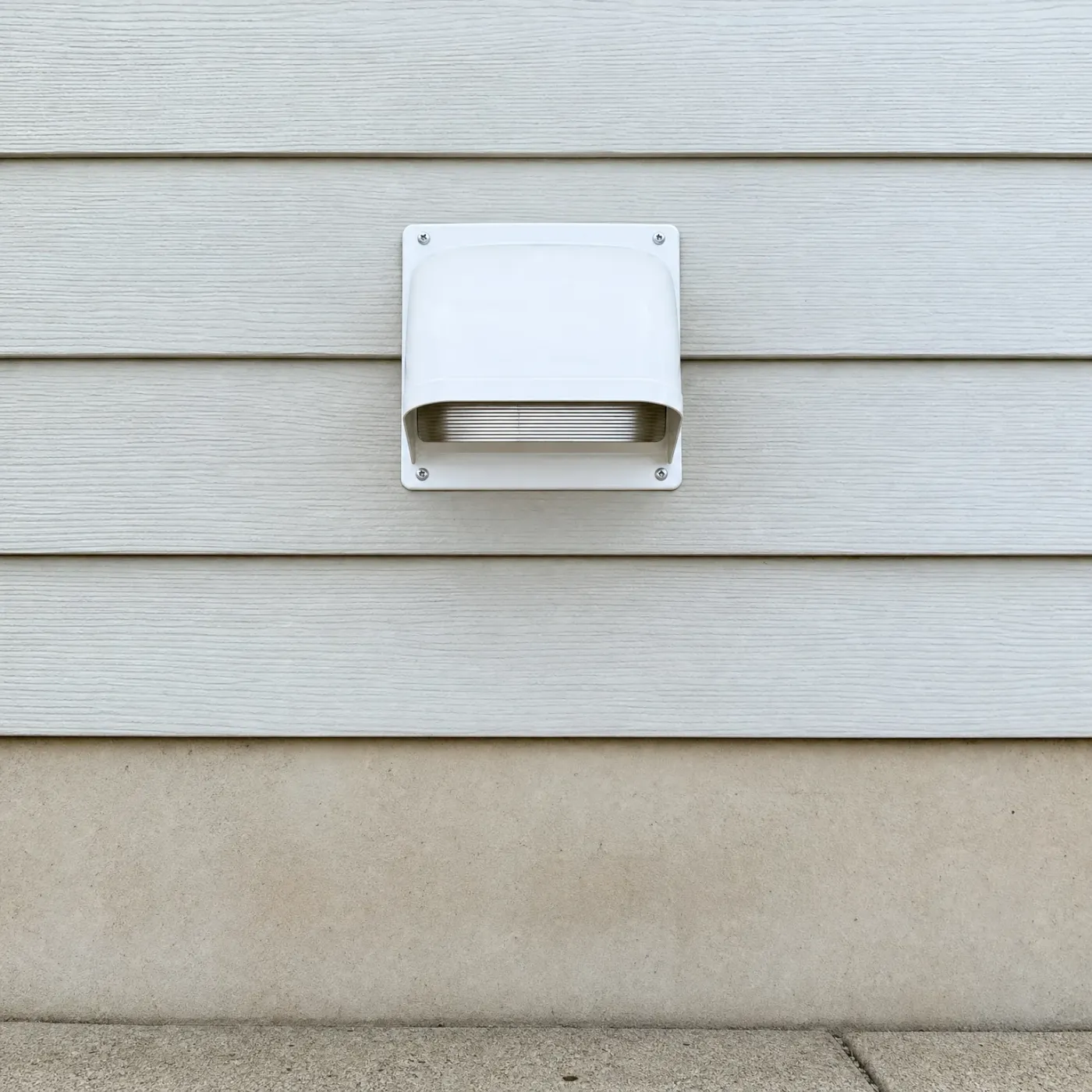
Air pushes out through the hood with the louvers swinging open while the dryer runs. The cap stays clean against the siding, no gray buildup around the screws or the opening. What you see outside matches a vent line that's doing its job.
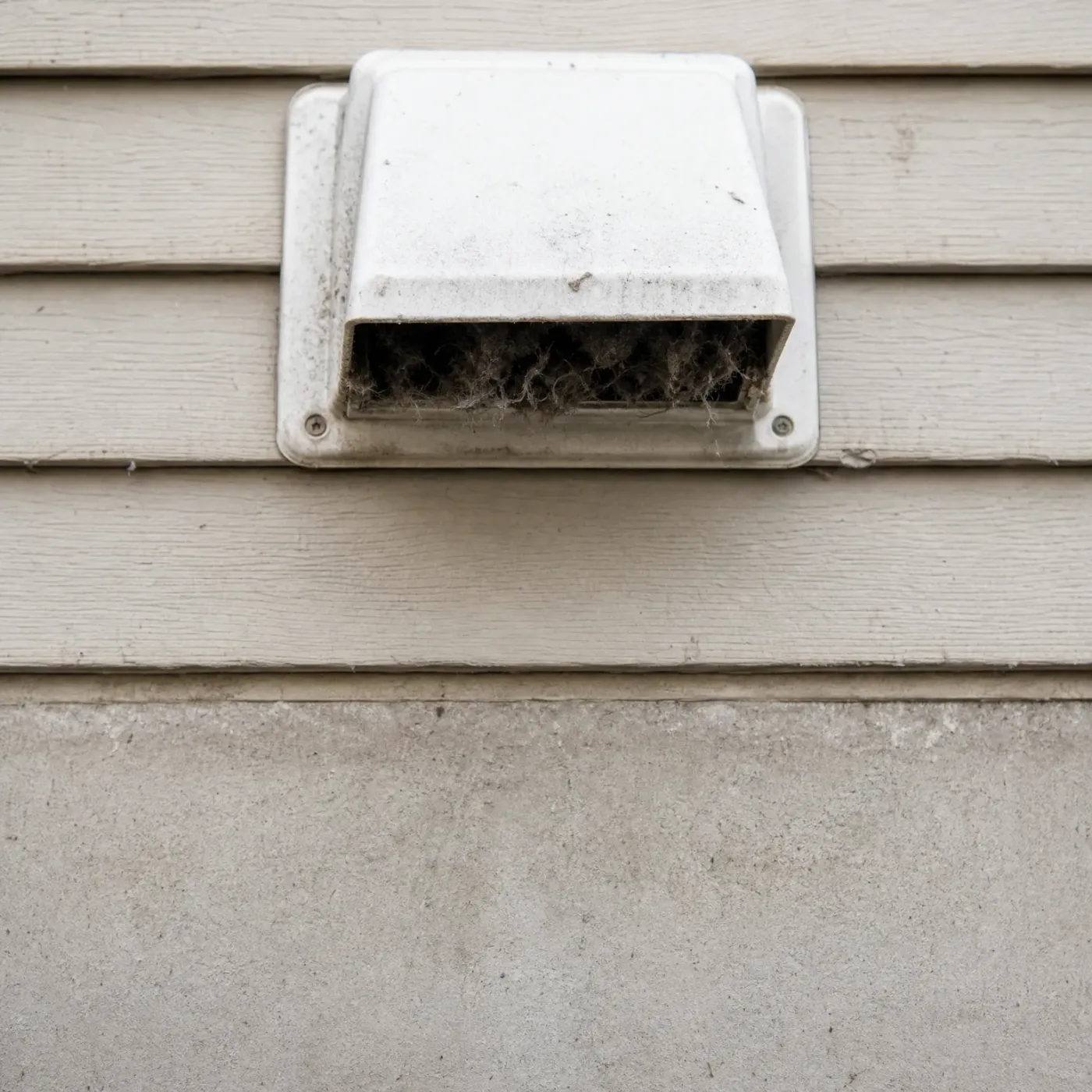
Lint has packed in thick across the opening, enough to block most of the airflow before it ever leaves the hood. That's not dust sitting on the outside. It's lint that backed up the whole line because it had nowhere else to go.

Lint is the fuel, a clogged vent is what lets it pile up, and the heating element is what sets it off. That part hasn't changed since the first section on this page. What has changed is you now know what it looks like at your own house, the hood outside, the time a load takes, the smell if something's already going wrong.
You can't see inside the vent line, and most people don't know how packed theirs is until a contractor runs a line through it. The next step is getting matched with one who serves San Diego County and has done this work before. They'll reach out and look at your setup specifically, your vent run, your dryer, your household. Nobody expects you to diagnose a fire risk from the laundry room. That part isn't yours to carry.


Matched to your dryer vent job