









Is a clogged dryer vent a fire risk in California

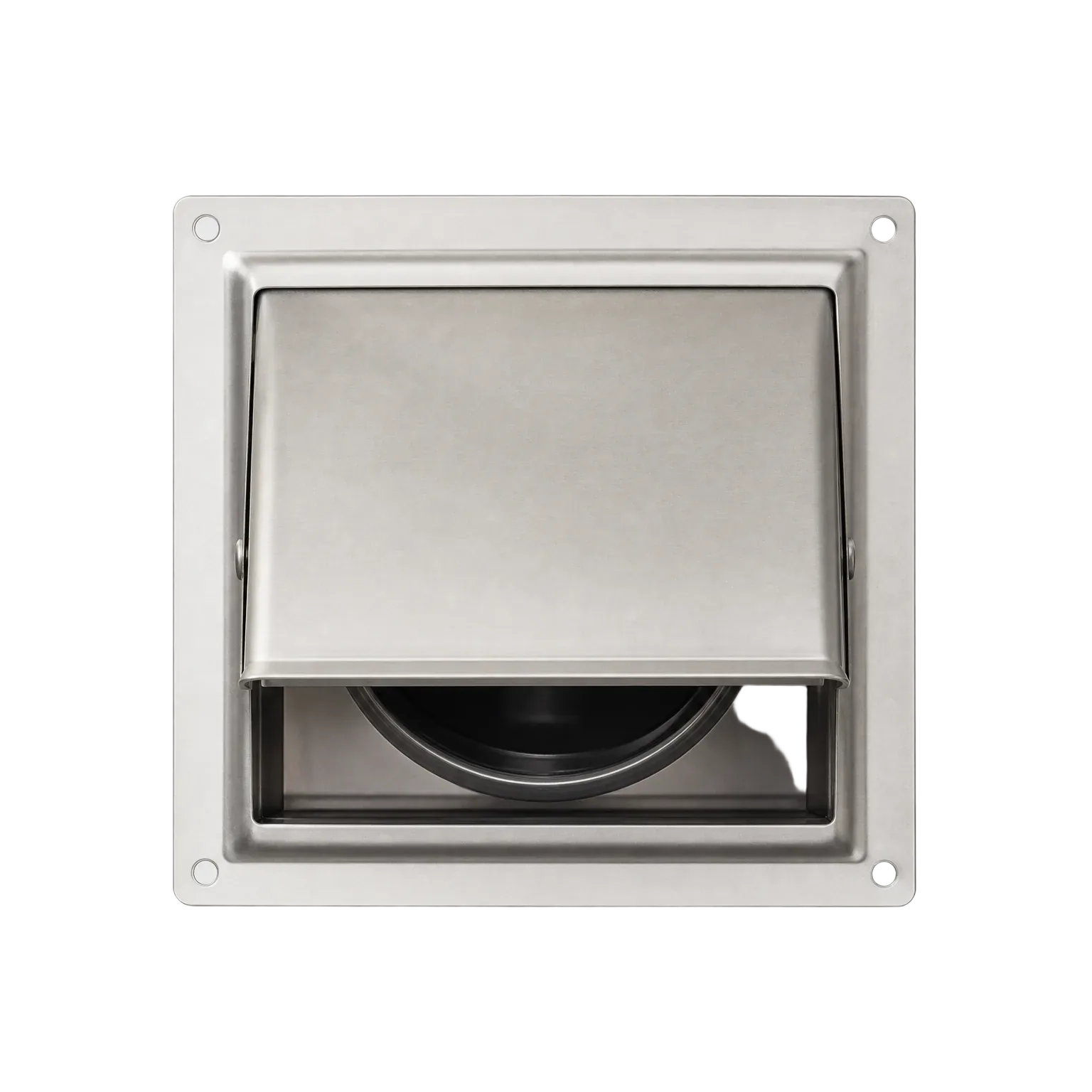
A square stainless steel wall vent with four corner screw holes and a hinged flap cover, partly open to reveal a dark circular duct opening, shown against a plain light gray background.
Find my pro

Yes. Lint is the fuel, and a clogged vent is what lets it build up. Every load pushes more lint into the duct, and when the vent run is blocked, that lint piles up near the heating element instead of blowing outside with the exhaust air. The dryer keeps heating against a wall of trapped lint, and that heat has nowhere to go. That's how a fire starts. You'll usually notice the signs first: clothes that come out hot and still damp, a dryer that runs much longer than it used to, or a burning smell when it's on. In a gas dryer, a blocked vent can also push exhaust back into the house instead of out, which is its own hazard. None of this depends on where in California you live. It depends on how dirty the vent has gotten and how long it's gone without a cleaning.

An older man with gray hair and a beard, wearing a dark coat flecked with snow, stands smiling in a dimly lit home hallway with lamps, a framed picture, and a wooden door.
A gray-haired, bearded man in a dark coat dusted with snow stands just inside an open door of a warmly lit home, looking off to the side.
An older bearded man in a dark snow-dusted coat and gray scarf stands just inside a dimly lit home entry, with a framed picture, lit table lamp, and an adjoining room with a fireplace behind him, and snow visible through the open door.
A gray-haired bearded man in a dark coat and scarf dusted with snow stands smiling in a dimly lit entryway with a white front door, a side table with a lit lamp, an oval mirror, and a patterned rug.

Lint comes off every load, and the trap only catches what passes through the drum. What gets by it travels down the duct toward the outside wall, and if that run is long or has a bend or a crush in it, the lint settles there instead of blowing clear. Once the duct is partly blocked, the exhaust air that's supposed to carry heat outside has nowhere to go, so it pushes back into the drum and the duct itself. The dryer's heating element keeps working the same as always, except now that heat is building up against a wall of dry lint instead of moving past it. That's the setup for a fire: fuel that's been collecting load after load, sitting right next to the heat source, with no way to carry the heat off. A dryer that's started running hotter than usual, or that needs two cycles to finish a load it used to dry in one, is often telling you the vent is already restricting that airflow.

How Lint Turns Into a Fire

  • Every load of laundry sheds lint, and some of it passes the trap no matter how often you clean it.
  • A clogged vent slows the exhaust air, so heat from the dryer's element has nowhere to go but back into the drum and the duct.
  • Lint is dry and ignites easily, and a blocked vent is exactly where it collects in the heaviest layers.
  • Long or crushed duct runs trap more lint than a short straight one, so the layout of your vent matters as much as how often you dry clothes.
  • A dryer that runs hot or takes two cycles to dry a load is often pushing exhaust against a partial blockage.
  • The lint screen only catches what passes through the drum, not what builds up further down the duct toward the outside wall.
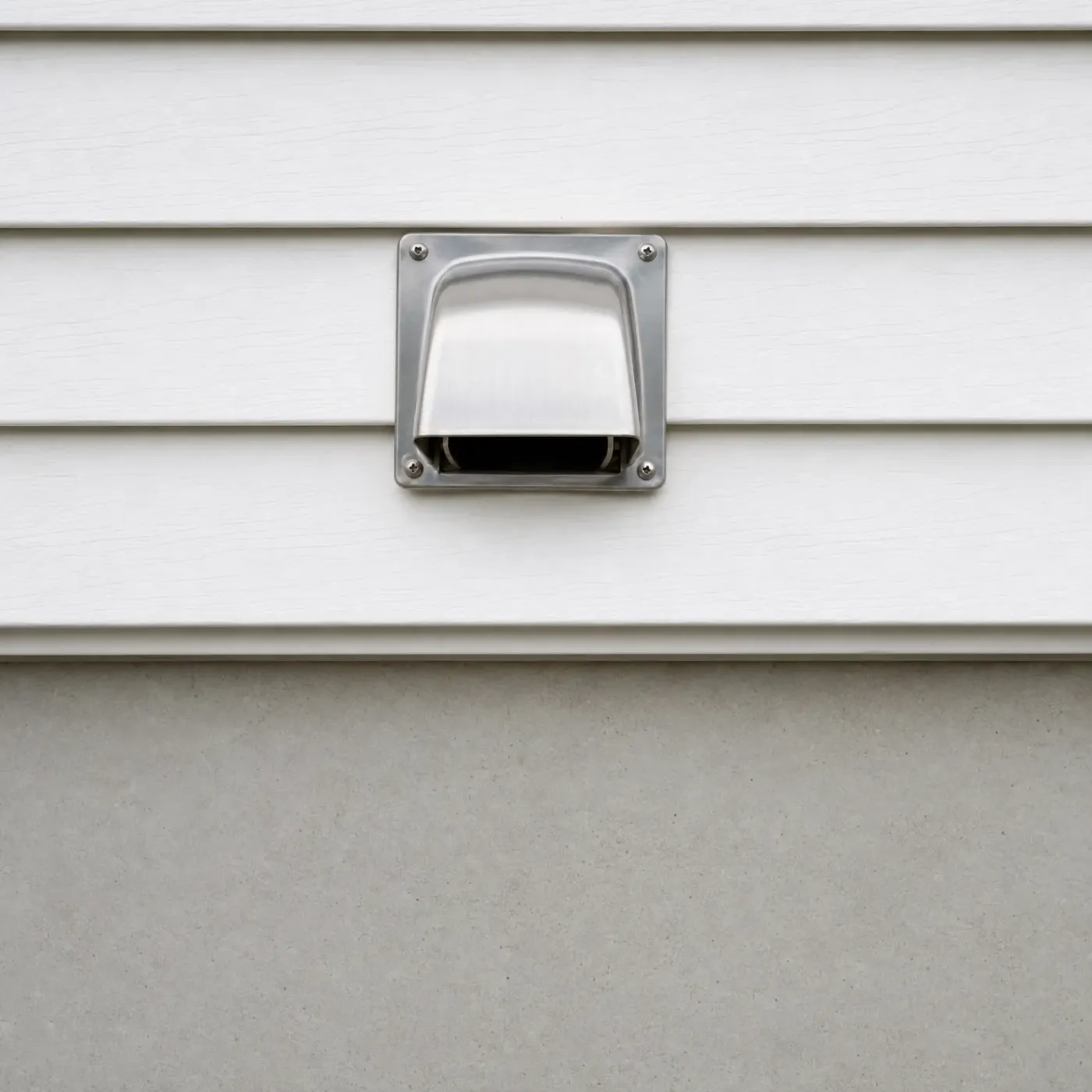
A stainless steel hooded dryer vent with four corner screws mounted on white horizontal lap siding above a gray concrete foundation.
The flap opens, the exhaust pushes out, and the vent clears itself with every load.
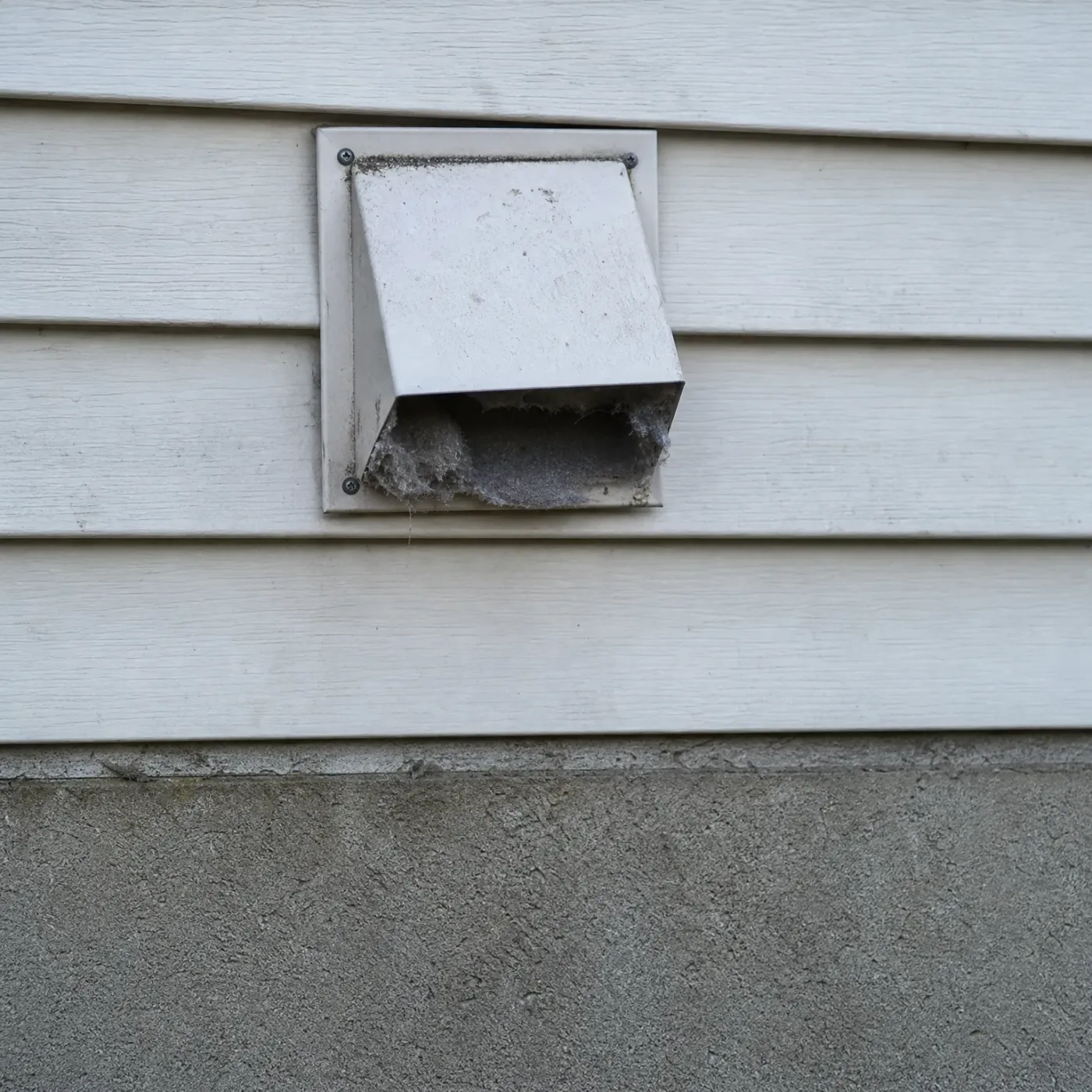
A white hooded dryer vent mounted on light-colored lap siding above a concrete foundation, with lint clogging its opening.
Lint has packed the hood solid and the flap can't even close against it anymore.

Warning Signs vs. A Vent That's Clear

Signs you can check

  • A full cycle that used to take under an hour now runs long, or the dryer needs a second cycle to finish.
  • The outside hood barely moves air when the dryer runs. Hold your hand near it and compare it to how it felt a year ago.
  • The dryer itself gets hot to the touch on the front panel or top during a normal cycle.
  • Clothes come out hotter than usual, and the room the dryer sits in warms up or smells faintly of hot lint.
  • Lint shows up around the hood opening outside, or the flap stays open even when the dryer is off.

What a clean vent looks like

  • A cycle finishes in the time it's supposed to, and clothes come out dry, not just warm and damp.
  • The outside hood flap opens wide when the dryer runs and snaps shut the moment it stops.
  • The dryer housing stays close to room temperature through a full cycle.
  • No lint collects around the hood or inside the duct where it meets the wall.
  • Air coming out the hood feels strong enough to notice from a few feet away.
A white plastic hooded dryer vent mounted on beige lap siding, with gray lint clogging its louvered opening and hanging below it.
Before you get your dryer vent cleaning
A white hooded exterior vent cover with a mesh screen mounted on gray lap siding above a concrete foundation.
After you get your dryer vent cleaning

A pro who works on dryer vents

Answer a few questions instead of calling shop after shop.

There's no charge for the request.

A metal hooded dryer vent with a louvered opening mounted on gray horizontal lap siding, next to a plain off-white wall.

Why the vent run matters

A dryer vent that runs straight to the outside wall clears lint with every load. Add bends, or a longer run up through the attic or across the garage, and lint has more surface to catch on before it reaches the hood. Homes where the dryer sits far from an outside wall carry a longer run by default. The longer the path, the more often it needs to be checked.

A stainless steel hooded dryer vent screwed to light gray horizontal lap siding, with a blank white wall occupying the left side of the frame.

What a blocked hood does to the bill

Power here costs more than in most of the country, and a dryer working against a clogged vent runs longer to dry the same load. The heating element stays on while damp air recirculates instead of venting out. Most homes here heat with gas, but the dryer's blower motor still runs on electricity, and a restricted vent makes it run longer to move the same air.

Why does laundry take two cycles to dry now

You run a load, it comes out damp, and you run it again. That's the clog talking. Check the laundry room itself: the top of the dryer is hot to the touch, or the room feels warmer and more humid than it used to after a cycle. You might catch a burnt dust smell, faint but there, especially a few minutes in. Lint shows up where it shouldn't, dusted around the lint trap door or on the floor behind the dryer. None of this is just an inconvenience. The heat and the lint are building up in the same place, and that's the combination that starts dryer fires. Power costs enough here that running every load twice already stings. Left alone, it's your dryer and the wall around it at risk, not just your electric bill.

A white hooded dryer vent with a louvered opening mounted on light gray horizontal lap siding above a concrete foundation.

The vent clearing itself

This is what a clear vent looks like from outside. The hood sits flush against the siding and the louvers hang open. Every time the dryer runs, warm air pushes those louvers out and lint rides along with it instead of settling in the duct.


A white plastic hood-style dryer vent mounted on beige horizontal siding, with its opening clogged by thick gray lint.

The vent packed with lint

Lint has built up across the whole opening, and dust has settled into the siding around it from months of exhaust air finding no clear path out. That buildup sits right where sparks or trapped heat could reach it. A contractor can clear it out and get the hood moving air again.

A woman wrapped in a thick fleece blanket sits on a sofa holding an open book, beside a lit table lamp and a frost-covered dark window.
A smiling older woman with gray hair in a loose bun wearing a ribbed beige sweater stands in a dimly lit kitchen beside a window showing darkness outside, with a loaf of crusty bread on a wooden board in the foreground.

Still under an hour

A load that finishes on one cycle is pushing lint out with the exhaust air like it should. The vent isn't the thing to worry about right now.

Describe it once

Two cycles and climbing

Once drying time stretches like this, heat is building up in the duct instead of leaving the house. That's the fire risk, not just a slow dryer.

Describe it once

Power costs 31.35 cents per kilowatt-hour statewide

A clogged vent makes the dryer run longer to finish each load, and at 31.35 cents per kilowatt-hour, those extra cycles show up fast on your bill. That same stuck heat is what raises the fire risk, so the cost and the danger come from the same clog.

EIA-861 2025 statewide residential average

A man with a duffel bag walks up a concrete path toward a white board-and-batten house where a woman stands in the open wooden front door, flanked by potted plants and black lanterns.

A clogged vent is a fire risk, and it's one you can check for yourself

The signs are the ones already covered: long cycles, a hot laundry room, a hood that barely moves air. None of them are subtle once you know to look. If you've checked and found them, the clog is real and so is the risk sitting behind it.

You don't have to track down who clears vents or explain the problem twice to get a quote. Answer a few questions about your dryer and your home, and a contractor who handles this work in your area will reach out to you directly, already knowing what you're dealing with.

A shallow dark wooden bowl and a stack of books rest on a wooden table in front of a beige sofa with linen and green cushions, with a tall ceramic vase of thin branches beside a window in the background.
A dark gray hooded exterior vent cover with a louvered opening mounted on dark horizontal lap siding, viewed at a steep angle.

The right pro for this job

Fill out one short form instead of calling around.

Duct and vent cleaningCalifornia
Step 1 of 3

What kind of equipment?



