







Why your laundry room gets so hot in California

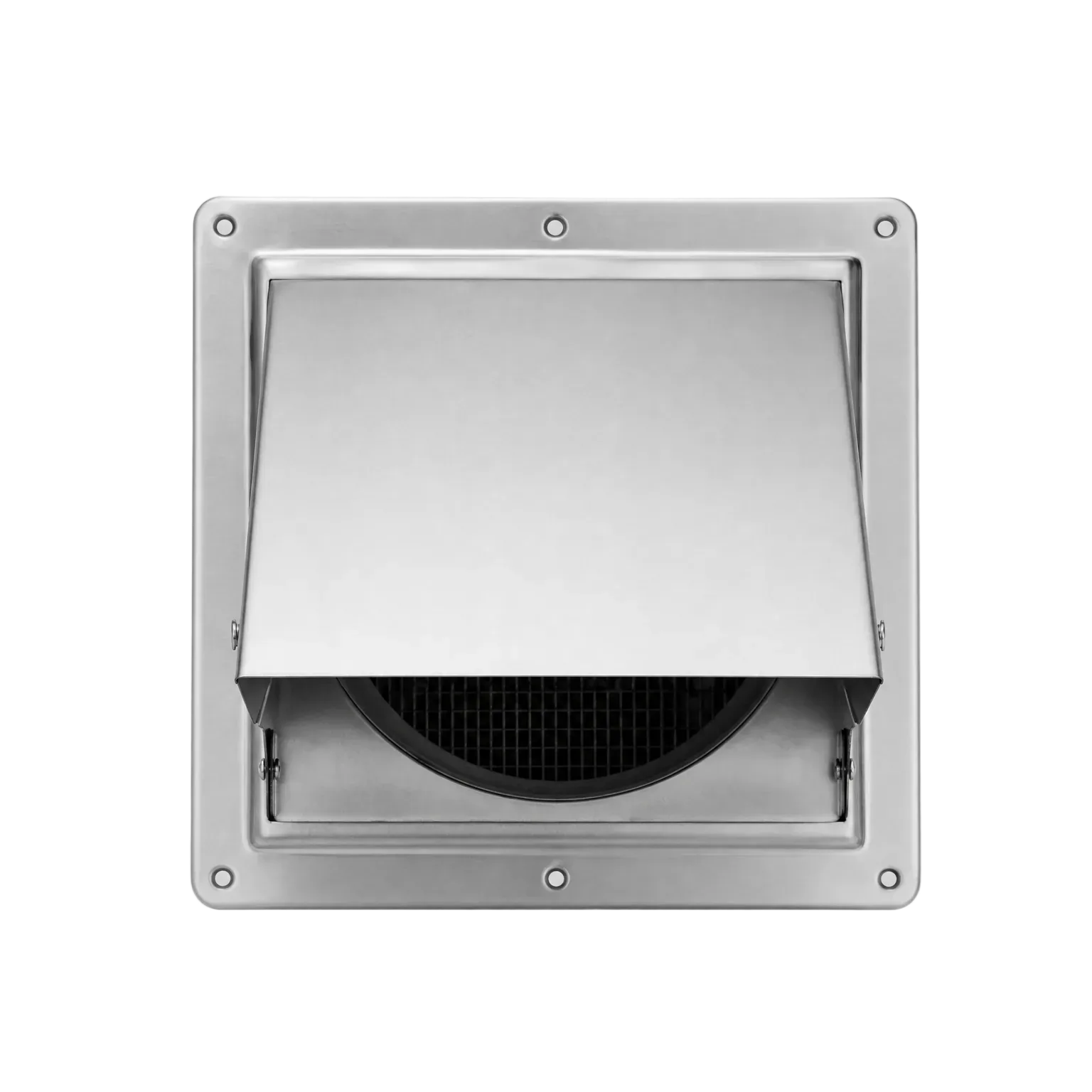
A square stainless steel wall vent hood with a hinged flap cover and a round mesh-screened duct opening, shown centered against a plain light gray background.
Let a pro reach out

Why does my laundry room get so hot in California?

Your laundry room turns into the hottest spot in the house every time the dryer runs, even though summers here don't carry the heavy, sticky heat you'd get elsewhere. You've checked the thermostat, you've left the door open, and it still feels like a sauna in there by the second load. Something about the dryer itself seems to be the source, not just the weather outside.

A clogged dryer vent is pushing the heat back into the room

A dryer is built to send its hot air outside through the vent, not into the room around it. When lint packs the vent line, that hot air has nowhere to go, so it backs up into the laundry room instead. The dryer also has to run longer and hotter to get clothes dry, which adds to the heat and to your power bill, and power here already costs more than most of the country. A gas dryer makes this worse, since the burner keeps firing to make up for the air that should be venting out. Clearing the vent line lets the heat go where it's supposed to.

  1. The dryer pushes hot, moist air through the vent duct.

  2. Lint builds up along the duct walls with every load.

  3. A narrowed duct forces the dryer to work harder and run hotter.

  4. Heat that should exit outside backs up into the laundry room.

A smiling man with dark curly hair in a dark green henley shirt sits on a light sofa in a living room with large windows, a lamp, shelving, a stone fireplace, and a bowl of popcorn in the foreground.
A smiling man in a dark long-sleeved henley shirt sits on a beige sofa in a living room, with a bowl of popcorn and a remote on the table in the foreground and shelves, a lamp, and a doorway behind him.
A smiling man with graying hair and stubble in a blue henley shirt sits on a gray sofa with cushions in a living room, with a bowl of popcorn on a wooden table in the foreground.
A smiling man in a dark green long-sleeve shirt reclines on a sofa in a dimly lit living room, with a bowl of popcorn on a side table in the foreground and a bookshelf, lamp, and houseplant behind him.

What This Does To Your Laundry Room

  • A dryer that runs hot adds heat to the laundry room on top of whatever the day outside is already doing.
  • Gas dryers vent combustion byproducts along with hot air, so a blocked duct sends more of that back into the room.
  • A clogged vent makes the dryer run longer to dry the same load, so the heat lasts longer too.
  • The extra runtime shows up on your power bill, and electricity in California is not cheap.
  • A closed laundry room with a hot dryer and no real airflow out will run warmer than the rest of the house all summer.
  • Lint packed into a narrow duct is also a fire risk, not just a comfort problem.

Run a gas dryer with a clogged vent and the laundry room absorbs two problems at once. The dryer itself throws off more heat than it should, and some of what it's supposed to send outside through combustion stays in the room instead. California summers don't carry the humidity you'd get in other parts of the country, but that doesn't help you here. The room still fills with heat that has nowhere to go, especially if the door stays shut and there's no real airflow through it. Dry the same load with a clogged duct and the cycle takes longer than it should. That means more minutes of a hot dryer running in a small room, and more minutes on your power bill. Electricity here costs more than in most of the country, so a dryer working harder for longer is not a small thing over a summer. The room will run warmer than the rest of the house as long as the vent stays blocked, and it'll keep doing that every time you do a load. Beyond the heat, lint packed tight in a narrow duct is fuel sitting next to a heat source. That's not a comfort issue anymore. A clear duct lets the dryer vent the way it was built to, moves the heat and the exhaust outside where they belong, and brings the room back down to a temperature that matches the rest of the house instead of fighting it.

A white louvered dryer vent hood mounted with four screws on beige horizontal lap siding above a gray stucco foundation and concrete walkway.
A clear vent lets heat and moist air leave the house through the hood, so the laundry room only picks up the heat the dryer itself gives off.
A white plastic dryer vent hood mounted on beige horizontal vinyl siding, with lint clogging its lower opening and a concrete foundation below.
Lint packed across the hood traps hot air inside the duct, and that heat has nowhere to go but back into the room with you.
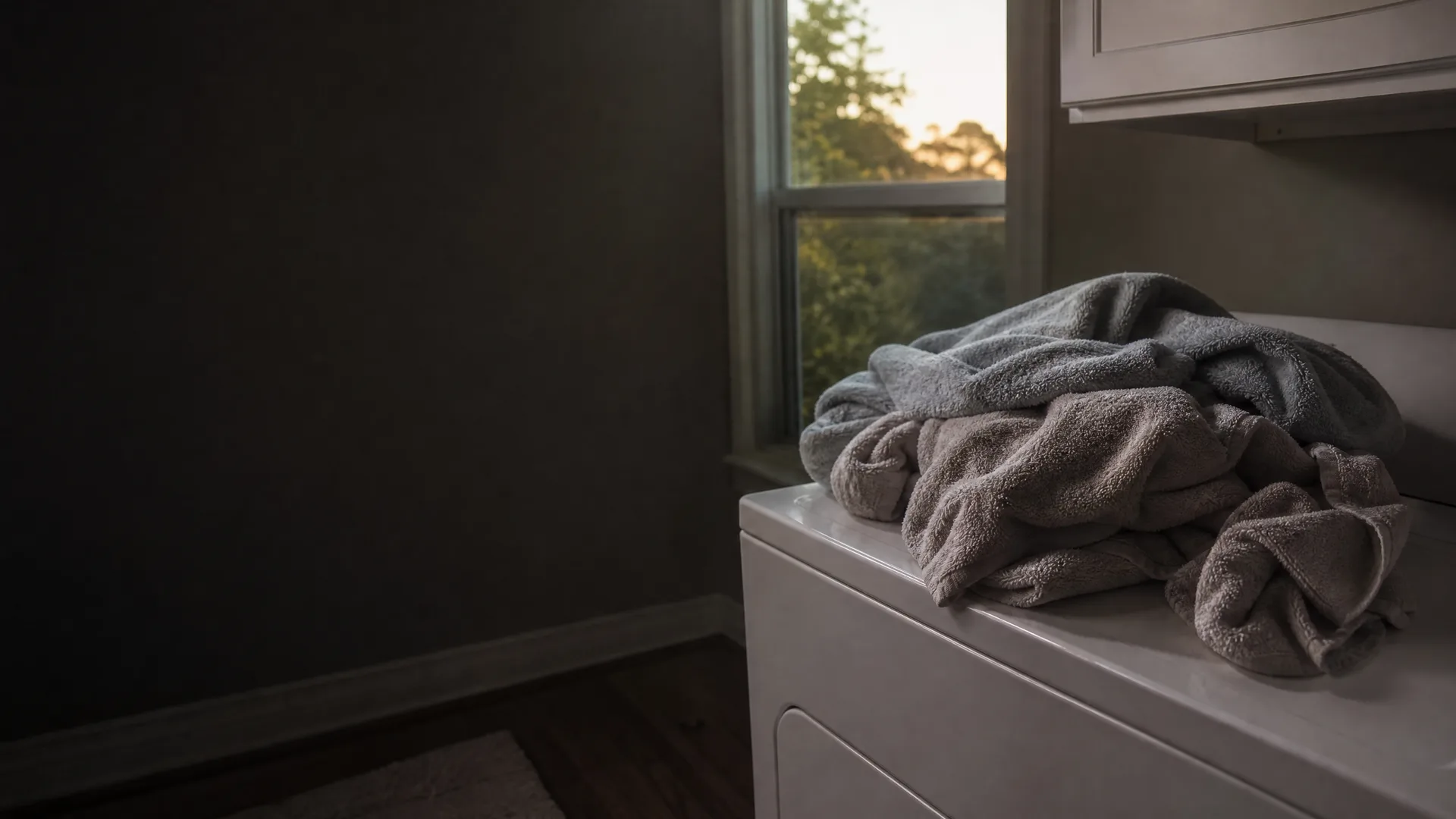
A pile of gray and taupe towels sits on top of a white laundry appliance in a dim room beside a window with trees and sunlight outside.

You pull the last load out at nine, after the dishes, after the kids are down, the one hour that's yours. The towels are still damp. The dryer's been through twice already and the room is thick, hot enough that you back out into the hall to breathe. You open the window over the washer, but the air outside is dry desert air, no help for what's trapped in here. You check the lint trap again, empty, like it was the first time. Behind the dryer the vent hose feels warm the whole way to the wall. You leave the towels on top of the machine and shut the door on your way out.

Send one request and you're done looking

Your dryer vent cleaning request goes to one local pro.

No charge to send it. You decide if you hire them.

What a clear vent does

A dryer vent that runs clear sends hot, moist air straight outside through the hood. The laundry room only picks up the heat the dryer casing itself gives off while it runs. That's a fraction of what the machine actually produces, since the rest leaves through the duct with the exhaust. Gas dryers add combustion byproducts to that exhaust too, and a clear duct carries those out as well. The room warms up some during a cycle, but it settles back down once the load is done, because nothing's been held back inside the walls or the ductwork to keep radiating heat after the dryer shuts off.


What a blocked one traps

Lint packed into the duct or the hood stops that same air from leaving. The dryer keeps producing the same heat and moisture, but now it has nowhere to go except back toward the room through gaps in the duct connection or the door seal. A gas dryer venting poorly is pushing combustion byproducts back too, not just heat. The dryer also runs longer to dry the same load, since the moist air isn't clearing out the way it should, so the heat keeps building the whole time it runs instead of leaving through the hood like it's supposed to.

Power costs 31.35 cents per kilowatt-hour statewide

That heat sitting in your laundry room is costing you more here than almost anywhere else, at 31.35 cents a kilowatt-hour. A dryer fighting a clogged vent runs longer to finish the same load, and every extra minute shows up on your bill at that rate.

EIA-861 2025 statewide residential average

A metal hooded dryer or exhaust vent mounted with screws on gray horizontal lap siding, beside a plain off-white wall surface.

Running a load at night

You put the dryer on after dinner, figure you'll fold while you watch something, and come back forty minutes later to pull hot towels out of a hot room with the door shut and no fan running. A clogged vent has been pushing that heat back inside the whole time, and with the door closed it just sits there and builds, so by the time you check on it the room's worse than when you started.

A white metal hooded exterior vent screwed to a square backing plate on light gray horizontal lap siding, with a blank off-white wall filling the left half of the frame.

Running a load with the door open

Crack the laundry room door or run the exhaust fan while the dryer's on and the heat has somewhere to go besides back into the room with you. It still won't feel like nothing, a working dryer throws off some heat no matter what, but it's the difference between a warm room and one you want to leave. A clear vent outside and an open path inside both matter, and a clogged duct works against you either way.

The heat in your laundry room isn't the California summer finding its way in. It's your dryer, fighting a duct packed with lint, pushing hot air back into the room instead of out through the hood. A clear vent lets that heat leave the house the way it's supposed to, and the room goes back to only holding the warmth the dryer casing gives off while it runs. That's the difference between a laundry room you can stand in and one you walk out of to breathe. It also means a dryer that isn't working as hard, which matters on a power bill already higher than most of the country's. Getting the vent cleared is a straightforward job for someone who does it every week and knows what a duct that's been neglected for years looks like versus one that just needs a quick pass. Once you send the request, finding that person stops being something you have to sort out yourself.

A woman in a dark knit turtleneck sweater reclines on a couch under a cream knit blanket, looking down at an open book, with a lit table lamp and framed pictures behind her.
A smiling middle-aged man in a dark green sweater sits at a candlelit table with wine glasses and a plate of greens in a dimly lit interior.

Dryer Vent Cleaning

Finding a pro stops being your job

Only one pro gets your request, so you hear from one company.

A black smartphone standing upright against a plain light gray background, its screen filled with solid green.
Duct and vent cleaningCalifornia
Step 1 of 3

What kind of equipment?


