Dust that comes back days after cleaning
Mold feeds on the dust lining your ducts. If it settles again within a few days of wiping vents down, something inside is still growing it back.
A musty smell when the air handler kicks on is usually the first sign, along with dark spots around the vent covers themselves. Mold in ducts needs moisture, and the usual source is a coil or drain pan that stays wet longer than it should, often from a clogged condensate line. California summers are mild without the humidity that drives mold in a lot of other states, so when you see it here, it almost always points to a system problem rather than the weather. Some people notice it only as a stuffy nose or a cough that clears up when they leave the house. Streaks near the vents, visible growth when a cover comes off, or a smell that comes back after cleaning the filter all point the same direction. Mold doesn't stay put in the ducts. It feeds on dust that passes through and spreads with every cycle, so the earlier it's found, the less of the system it's touched.




Mold feeds on the dust lining your ducts. If it settles again within a few days of wiping vents down, something inside is still growing it back.
Coughing or a stuffy nose that fades at work or on trips and returns indoors points at the air moving through your ducts, not something elsewhere in the house.

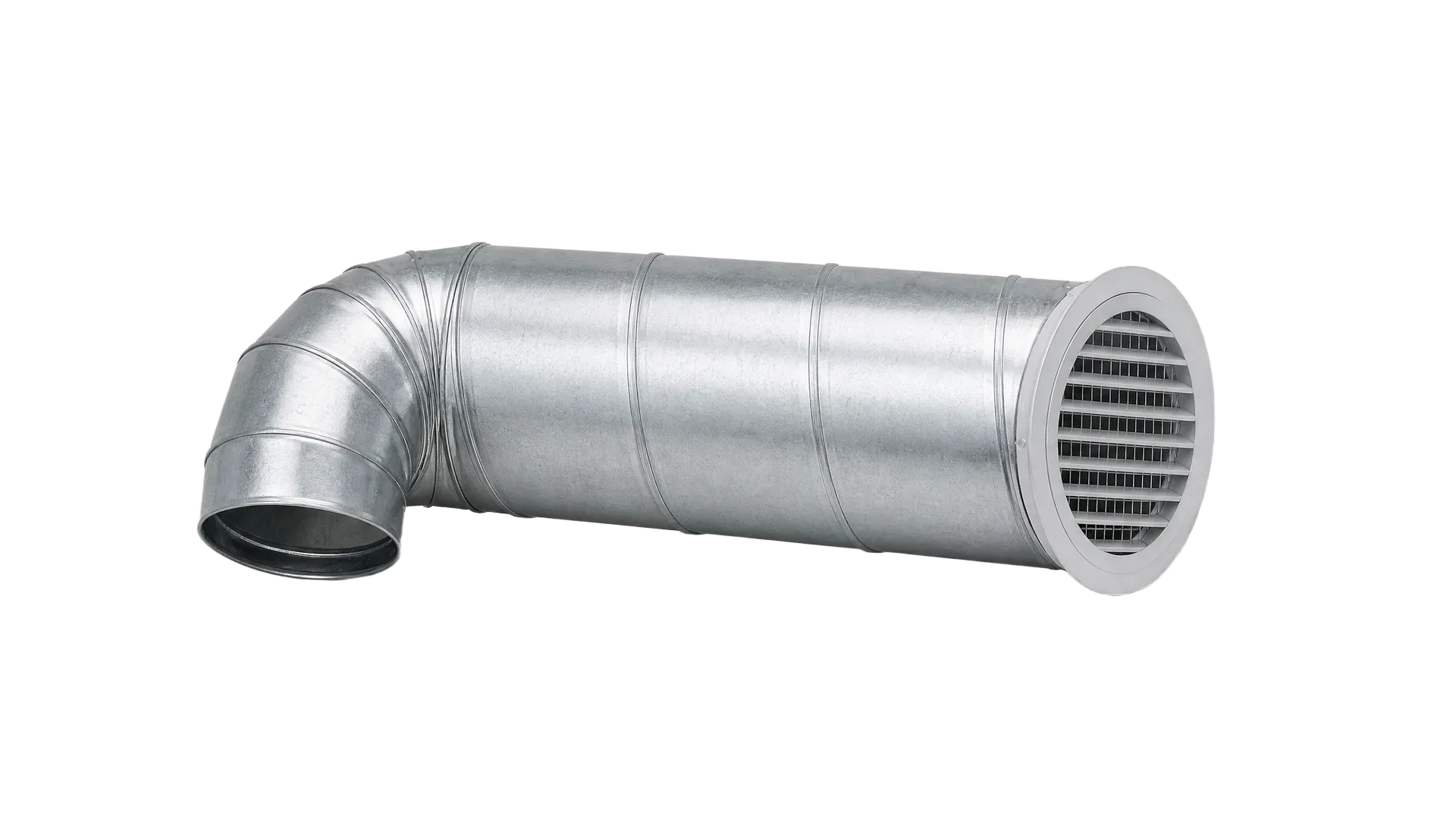
This is what clean ductwork looks like behind the walls. Air moves through smooth, dry metal with nothing lining the inside to feed mold. The system pulls air through the coil, past the vents, and into your rooms without picking up a musty smell on the way.

Branch after branch of this same ductwork can sit damp if a coil or drain pan stays wet longer than it should. That moisture gives mold a place to grow along the metal, and every vent tied to that run carries the smell into the rooms it feeds.
At 31.35 cents per kilowatt-hour, running the blower longer than it needs to run costs you something you can see on the bill. Moldy ducts make the system work harder to push air through, so clearing it out early keeps that number from creeping up.
EIA-861 2025 statewide residential average

Dry sheet-metal ducts carry air from the furnace to every room without anything living in them. Air moves through smooth metal, past the coil, and out the vents clean. There's nothing lining the inside for mold to hold onto.

The ducts look the same from below, but moisture sitting somewhere in the run gives mold a place to take hold. Once it's established, air pulls spores through the metal and pushes them out into your rooms every time the furnace runs.


Your request stays with one local pro.
No fee to send it, and nothing to sign.
The smell and the speckling are the system telling you moisture is sitting somewhere it shouldn't, usually at the coil or the drain pan. That's the whole answer. It doesn't mean the ductwork is ruined or that you're looking at tearing anything out. It means something is holding water longer than it should, and the ducts are growing what that water feeds.
California homes run AC through warm months without the thick humidity other states deal with, which is exactly why a clogged drain or a coil that won't dry out stands out once you know to look for it. It's not background moisture in the air causing this. It's one wet spot doing the work.
Finding a contractor who knows that is less complicated than it sounds. Someone who services ducts in California systems all year has seen this exact pattern enough times to know where to check first, usually before they've finished walking the system. Sending a request through this page puts one licensed, local contractor on it, not a stack of companies calling you back at once.
You caught this early. A smell at startup and some speckling on the vent covers is a smaller job than mold that's had months to spread through the line. That's the difference between acting now and waiting until it's a bigger job than it needs to be.

Done looking for a duct system pro




