Get matched with a duct system pro in San Diego County
Why your house is so dusty in San Diego, CA
Dust that comes back days after you clean usually means your ducts are feeding it right back into the air. With the dry stretches San Diego gets, dust builds up fast and keeps circulating through the same vents. This page looks at what's actually causing it and connects you with a local contractor who can look at your ductwork directly.
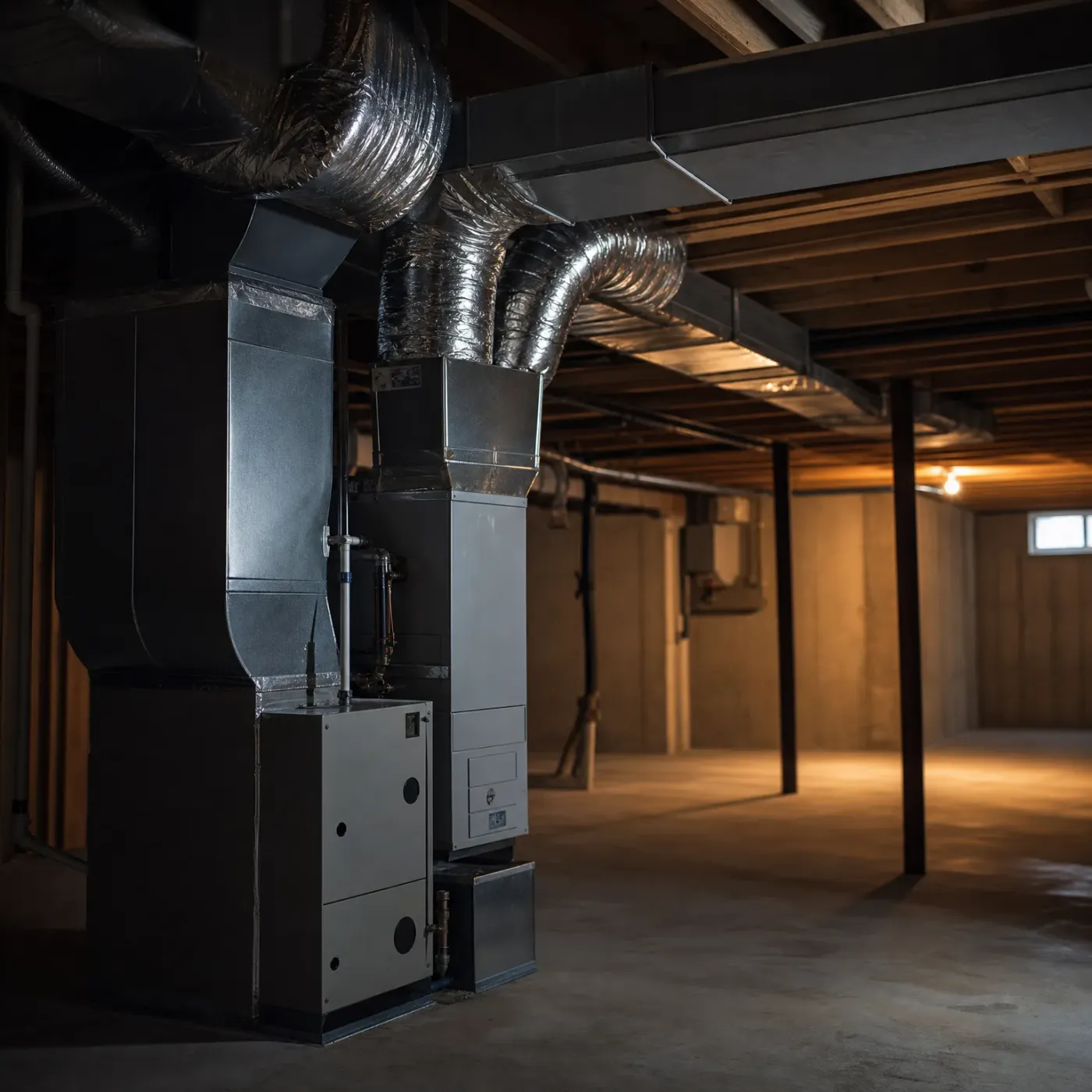
Get a local proA dusty house in San Diego usually comes down to the ducts, not the cleaning habits of whoever lives there. Every time the furnace or AC kicks on, air moves through that ductwork and picks up whatever has settled inside it: dust, pet hair, bits of insulation, construction debris from years back. That air comes out through your vents and settles right back onto your floors and furniture, so the room looks dusty again within days of a real cleaning. San Diego's dry stretches make this worse, since dust doesn't clump and settle the way it would somewhere more humid, so more of it stays airborne long enough to get pulled into the return vent and recirculated. If the filter is old or the wrong size for the system, it's letting more of that dust pass through instead of catching it. A duct system that's never been cleaned is doing this on every cycle, all year.


Ducts are built in sections, and every joint between them is a potential opening. Installers seal those joints with mastic or foil tape, and that seal is what keeps the system pulling clean air instead of whatever is sitting in the attic or crawl space. Over years of the furnace and AC cycling, that sealant dries out and separates, and the joint starts drawing in air from wherever it runs. The return side matters most, since that's the duct pulling house air back to the furnace, and if it passes through the attic, any gap there feeds attic dust straight into the system before the filter ever sees it. A filter can only clean what passes through it, so a leak downstream of the filter, closer to the vents themselves, puts dust into the air with nothing to stop it. In San Diego attics, a lot of that ductwork is flex duct, the ribbed plastic tubing that sags with age. Low spots in that sagging collect dust, and the airflow through the system shakes it loose. Vent boots are another weak spot, often fastened to the drywall without ever being sealed to the duct behind them.
Where the dust actually gets in
- Every duct run has seams where sections join, and those seams are sealed with mastic or tape that loosens over years of the system heating and cooling.
- A return duct pulls air from the house back to the furnace or air handler, and if it runs through an attic, any gap there draws in attic dust directly.
- The blower pushes air through the ducts dozens of times a day, so a small leak gets a lot of chances to add dust to what reaches your rooms.
- A filter only catches what passes through the return side, so dust pulled in downstream of the filter, closer to the vents, never gets filtered at all.
- Flex duct, the ribbed plastic tubing common in San Diego attics, sags and kinks over time, and those low spots collect dust that then gets stirred loose.
- Vent covers and the boots behind them are a common leak point because they're often screwed into drywall without being sealed to the duct itself.




What does your home's age and HVAC schedule have to do with dust?
Half the homes here were built by 1980
Half the homes in San Diego County were built in 1980 or earlier. Ductwork that old has had decades of heating and cooling cycles to loosen the seams at every joint.
Heat runs November through April
Heat runs November through April here, about six months of the year. That's six months of air moving through the ducts and picking up whatever has settled inside them.
Cooling runs June through September
Cooling runs June through September. Add that to the heating months and the system is pushing air through those same ducts most of the year, with barely a break.
ACS 2020-2024 · NOAA nClimDiv 1991-2020
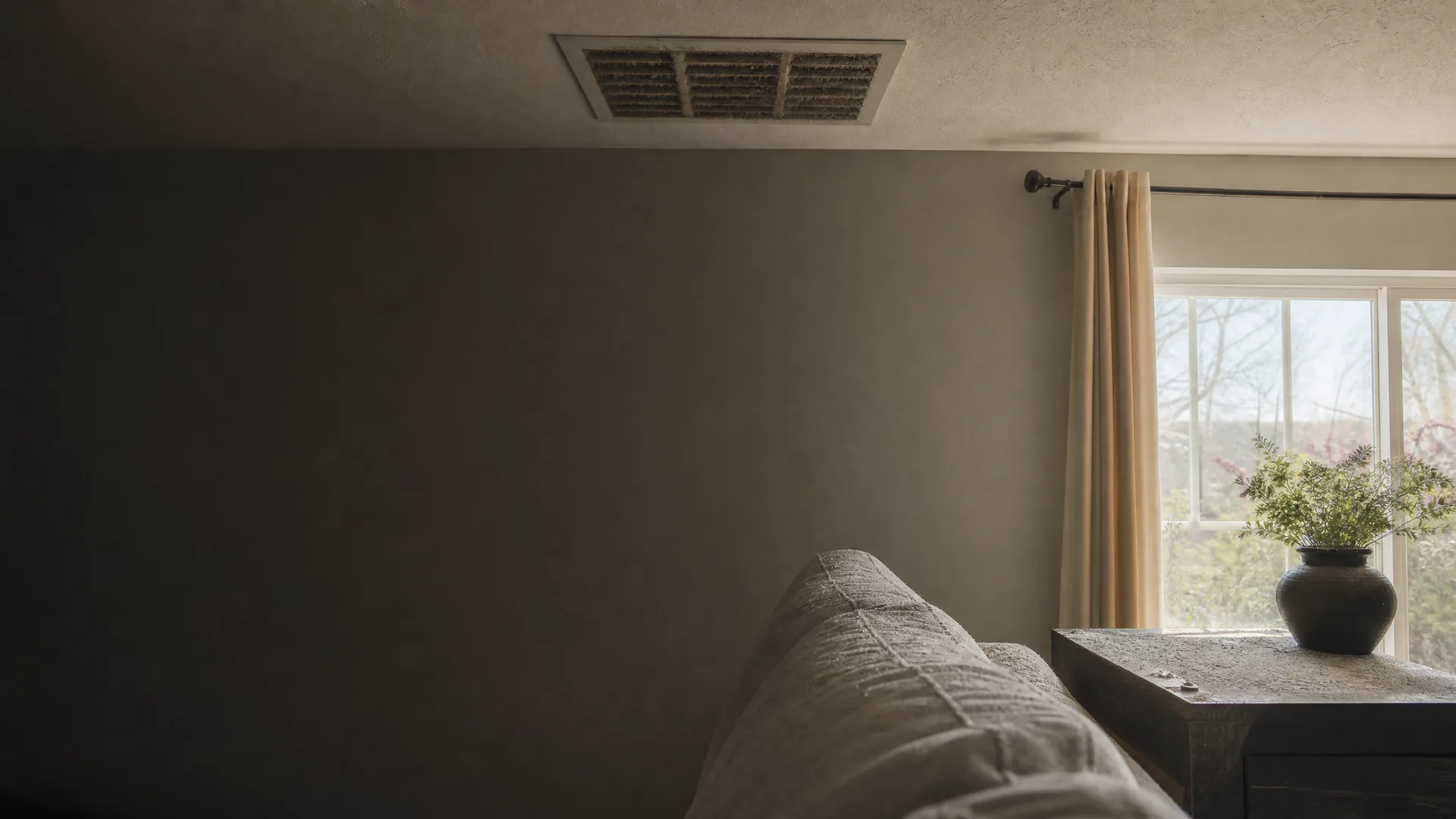
It's a Tuesday afternoon in April, sun coming in low through the living room window. You run a finger along the coffee table and it comes away gray, same as it did last week. You look up at the ceiling vent and the grille is coated, a soft felt of dust clinging to every slat. The couch cushions nearest it have a thin film too, the kind you only notice when the light hits it right. You wiped this room down four days ago. The AC has cycled on and off since then, the way it does most spring afternoons in San Diego, pushing air through the same vent each time. You sit down, and a little more of it settles onto the armrest where your hand lands.
Why does the dust come back so fast?
You notice it on the furniture first, that gray film back within a few days of dusting. Look closer and the vent covers have a soft coat on them, the kind you can drag a finger through. Sometimes there's a faint musty smell when the system first kicks on. If anyone in the house has allergies or asthma, you've probably noticed they do worse indoors than you'd expect, especially right after the heat or AC has been running. Dust that resettles this quickly isn't about how often you clean. It means the air moving through your house is carrying it room to room every time the system cycles.


Find a duct system cleaning pro in San Diego County
The pro who gets in touch is licensed in California and works in San Diego County.
Get matched with a pro who works on ducts in San Diego County.
No fee to send it, and nothing to sign.
Leaky Ducts vs. Sealed Ducts
Leaky ducts
- Loose joints in the attic or crawl space pull in dust every time the furnace or AC cycles on.
- Dust settles back on furniture and vent covers within days because the system keeps feeding it into the air.
- A return duct running through a dusty attic draws that dust straight into the air handler.
- Mastic and tape at the seams loosen over years of heating and cooling, opening small gaps you can't see.
- Rooms far from the furnace often get less airflow while dust still reaches every vent.
Sealed ducts
- Air moves from the furnace or air handler to each room without picking up anything along the way.
- Vent covers stay cleaner longer since the system isn't pushing attic or crawl space dust through them.
- Joints that are properly sealed keep outside air from mixing with what's already moving through the house.
- A return duct that's tight along its run pulls air only from inside the house, not from the attic above it.
- Dusting holds for longer stretches because the ducts aren't resupplying what you just wiped away.

The furnace or AC fires up and air starts moving through the ducts.
Air passes over every loose seam and gap along the way.
Dust sitting in the attic or crawl space gets pulled into the airflow.
That air carries the dust out through the vents and into each room.

What this is doing to your house
Every surface in your house is paying for this. The dust on the coffee table is also landing inside your furnace and AC, coating the coil and clogging the filter faster than it should. A system working harder to breathe through that buildup runs longer to hit the same temperature, and on San Diego's power rates that difference shows up on the bill. Anyone in the house with allergies or asthma is breathing it too, every time the system cycles on.
A duct cleaning clears what's already inside the ducts, but it doesn't close the gaps pulling dust in from the attic or crawl space in the first place. That part takes someone who can get into your attic, find where the runs are loose, and seal them properly. A local contractor who works on ductwork in San Diego homes every week has seen which joints give out first in houses like yours, and getting matched with one means a single contractor looking at your actual system, not a crew working off a general checklist.

Power here costs 42.22 cents per kilowatt-hour
At 42.22 cents per kilowatt-hour, a furnace blower or AC fan working harder to push air through gaps and dust-clogged coils shows up fast on your bill. Sealing the ducts and clearing that buildup lets the system move air the way it's supposed to, without the extra draw.
EIA-861 2025
What this comes down to
- Dust that resettles within days points to the ducts pulling it in, not to how often you clean.
- Leaky seams and loose joints in the attic or crawl space feed dust into the air every time the system runs.
- A contractor who works on San Diego County ductwork every season knows which joints and return runs tend to fail first.
- Sealing the ducts and clearing what's built up inside them stops the dust from cycling back through your vents.
- You're matched with one licensed local contractor for your home, not a handful of companies competing for the job.
- Once the ducts are sealed and clean, the furnace and AC move air without working harder than they need to.
The dust isn't about how often you clean. It's about what your ducts are doing every time the furnace or AC turns on. Air moves through those runs dozens of times a day, and if the seams have loosened or a return is pulling air through the attic or crawl space, it's carrying dust into every room along with it. That's why the coffee table looks dusty again within days. Cleaning the surfaces was never going to fix what's happening inside the walls.
The fix is the ducts themselves. Sealing the loose joints stops dust and attic or crawl space air from getting pulled in, and clearing out what's already settled inside the runs stops it from cycling back through the vents once the system is running clean. After that, the furnace and AC are moving air the way they're built to, not working around gaps and buildup that make the blower and fan strain.
This isn't a one-size job. A contractor who works on ductwork across San Diego County through every season has seen which joints give out first, which returns tend to run through unsealed spaces, and what decades of heating and cooling cycles do to a system like yours. You're matched with one licensed, local contractor for your home, someone who can look at your actual ducts instead of guessing from a general list, not a handful of companies all calling about the same job. Once that contractor has looked at what's actually feeding the dust in your house, you'll know exactly what it takes to stop it.
A local pro for your ductwork cleaning
A licensed pro who works in San Diego County gets your request.