One flap, one job
The flap on the vent hood is the only thing keeping birds out between loads. Once it's bent or missing, the opening stays clear for them to use.
A dryer vent without a flap, or one with a flap stuck open, is a ready-made nest spot. Birds look for a small dark opening protected from weather, and a vent hood on the outside wall of a California house fits that exactly, especially in spring when they are building. Once sticks and debris pack the duct, the dryer has to push air through a narrower path. Clothes take longer to dry, the dryer runs hotter than it should, and lint has less room to clear out. That lint sitting against a nest is a fire risk, not just a nuisance. If your dryer has been taking extra cycles to finish, or you have seen a bird going in or out of the vent hood outside, the duct likely needs to be cleared and the nest removed before you run the dryer again.


The flap on the vent hood is the only thing keeping birds out between loads. Once it's bent or missing, the opening stays clear for them to use.
Birds in California start building in spring, right before warmer months bring heavier dryer use and the vent runs more often.
A load that used to dry in one cycle now needs two. The dryer runs hotter and takes longer to shut off. Outside, you might hear chirping near the vent hood, or see grass and twigs poking out of the opening. Sometimes the smell of hot, trapped lint comes through the laundry room instead of venting outside. Any of these means air isn't moving the way it should. A blocked vent keeps heat and moisture from leaving the house, and it forces the dryer to work harder every time you use it. Left alone, it's a known cause of dryer fires.
A tech inspects the vent hood flap and opening from outside
A camera or probe checks the duct run for a nest
Nesting material gets pulled out in pieces by hand or tool
The full duct gets brushed and vacuumed clear of debris
A dryer vent packed with twigs and grass sits right next to a heating element that can reach several hundred degrees. It's a fair thing to wonder about, especially once you know birds have been in there. The question isn't really about the birds anymore, it's about whether the dryer is safe to keep running while the nest is still in the duct.
Dryer vent fires start with exactly this kind of fuel. Lint is already flammable on its own, and nesting material burns the same way, dry grass and twigs packed tight against hot, moving air. A blocked vent also makes the dryer run hotter, since the heat that should vent outside has nowhere to go. That combination, trapped heat and dry material sitting right in the duct, is what the fire risk comes from. It doesn't take the whole vent packed solid either. A partial nest near the hood or further down the run is enough to slow the airflow and raise the temperature with every load.

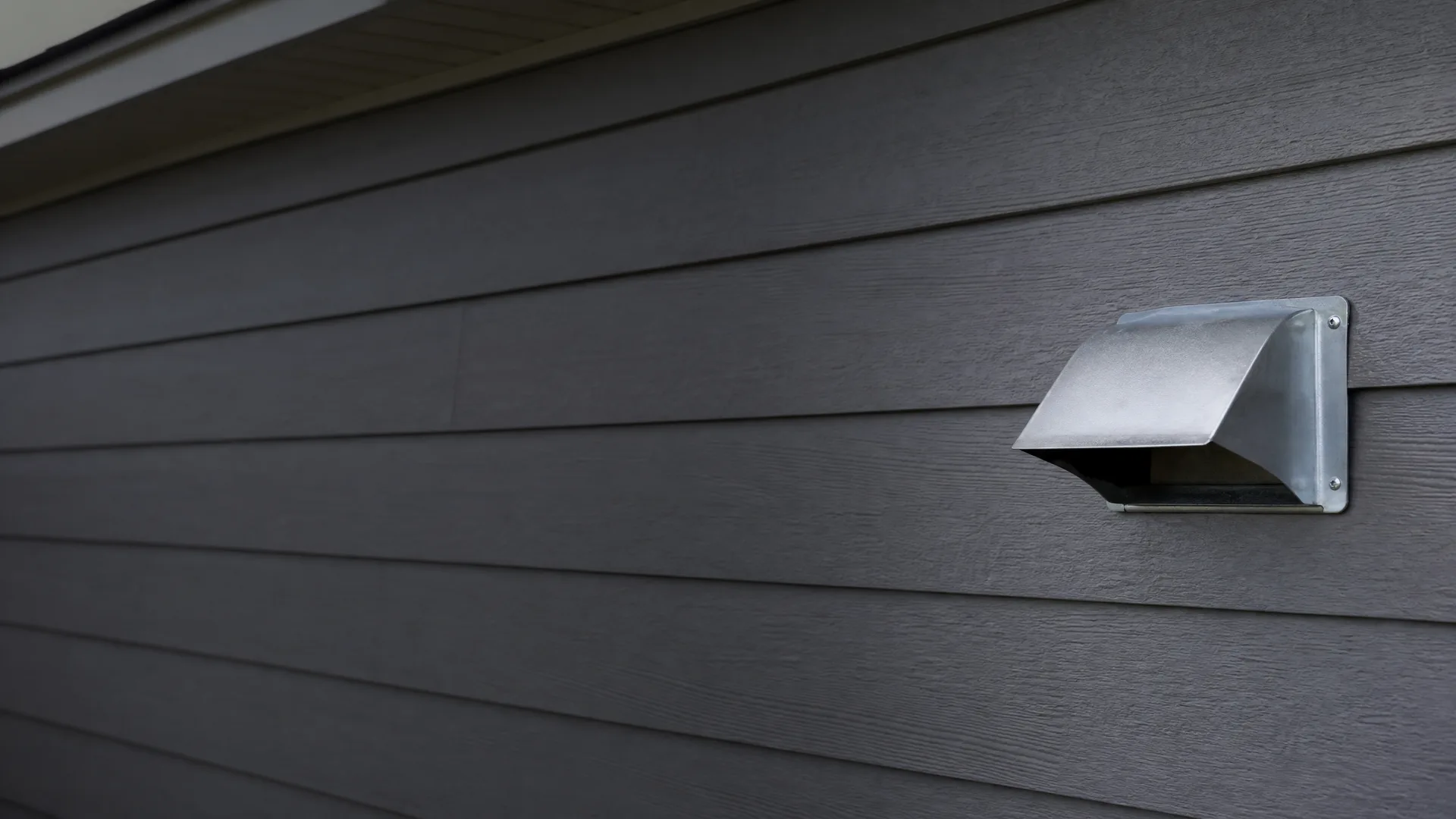
The hood sits flush against the siding and the flap hangs shut when the dryer isn't running. Air pushes it open on a cycle and it falls back closed after. Nothing can get past it from outside, and the duct behind it stays clear for the dryer's airflow.

The flap is stuck open and packed with lint and debris instead of swinging free. That gap is all a bird needs to start bringing in twigs and grass. Once nesting material builds up behind the hood, it blocks airflow and gives the dryer nowhere to vent.




Send the form and finding a dryer vent cleaner is handled.
It costs nothing to send, and you don't have to hire anyone.
Clean the vent now, before nesting season starts, and it's a straightforward job. A tech clears the duct, checks the flap, and the vent is done until next year.
Wait until a bird has already built inside, and the job changes. Nesting material has to come out by hand, the duct gets inspected for damage, and the flap often needs repair, not just a check.
A blocked vent makes the dryer run longer to finish a load, and every extra cycle runs on power priced at 31.35 cents per kilowatt-hour here. Clearing a nest out now keeps the dryer from working harder than it needs to.
EIA-861 2025 statewide residential average
Once the flap looks stuck, you can pull it open and take a look with a flashlight. If the nest is right at the opening, you might get some of it out with a gloved hand or a stiff brush. But most of the duct run is out of reach that way, and nesting material packed further back stays put. There's no way to check from outside whether the rest of the run is actually clear, and running the dryer before you know it is risks pushing material further in or straining the motor.
A tech can check the full duct run with a camera or probe, not just the opening you can reach. Nesting material gets pulled out in pieces, then the duct gets brushed and vacuumed so nothing is left loose inside. The flap gets checked too, since a bent or missing one is how the bird got in to begin with. That part gets fixed or replaced so the vent stays closed to the outside once the job is done, not just cleared for one season.



The cap sits tight against the siding with four screws holding it in place. The flap hangs closed when the dryer is off and swings open only when air pushes through it. Nothing can land or build here while it's working right.

This cap has stopped closing, and the gray buildup wedged in the opening is what's holding the flap open now. A bird sees a gap that stays open no matter the weather. Lint like this builds up gradually, load after load, until the flap can't move at all.

A dryer vent with a working flap keeps birds out. One without, or one that's bent and stuck, doesn't. That's the whole problem, and it's why a vent that was clear last year can still end up packed with grass and twigs this spring.
Once you've sent in the details, the search for who clears it is off your plate. A contractor who covers your area gets your information and reaches out to you about getting the vent opened back up and the flap working again. You don't have to track down who's available or figure out the right questions to ask them yourself.

One request and the dryer vent cleaning stops waiting on you.